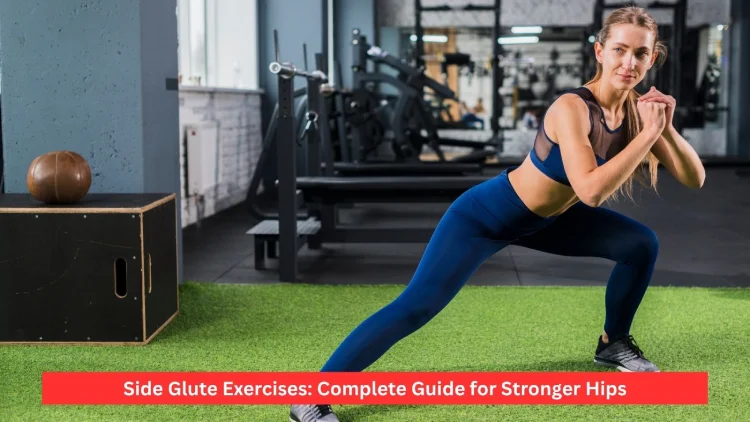

Side glute workouts target the gluteus medius and gluteus minimus muscles, increase the stability in and around the hips, boost balance, and reinforce better posture, along with minimizing the risk of injury and growing fuller and stronger buttocks. As long as you’re working side glutes or exercising side glutes at home or side glute exercises with weights or cable side glute exercises at the gym, consistent training combined with progressive overload will lead to noticeable results.
- What Are the Side Glute Muscles?
- Benefits of Side Glute Exercises
- Best Side Glute Exercises
- Side Glute Exercises at Home
- Side Glute Exercises with Resistance Bands
- Side Glute Exercises with Weights
- Side Glute Exercises at the Gym
- Beginner Side Glute Workout
- Intermediate Side Glute Workout
- Advanced Side Glute Workout
- Common Mistakes
- Tips for Faster Results
- Conclusion
- Frequently Asked Questions
What Are the Side Glute Muscles?
The side gluteus is primarily made of the gluteus medius and the gluteus minimus, and is assisted by the upper fibers of the gluteus maximus. The function of these muscles is important for stability, balance, and lower-body movement.
The functions of the side glute muscles are as follows:
- Provide pelvic stability when walking, running, and standing on one foot.
- Away from the body (hip abducting).
- Lower the hips level in the normal range of functioning activities and physical activity.
- Generate and control balance and coordination when moving.
Symptoms of Side Gluteus Tissues Weakness:
- Poor posture
- Knee instability
- Pain or discomfort in the hip
- Lower back pain
- Reduced athletic performance
- Inefficient movement patterns
Strength trainers and physical therapists use side glute workouts to enhance your lower-body strength and decrease your injury risk, thanks to the crucial function these glutes play in hip stability and movement.
Benefits of Side Glute Exercises
Various glute workouts have a wide range of physical and performance advantages.
- Enhance the stability and alignment of the hips
- Increase lower-body strength
- Enhance athletic performance
- Develop balance and co-ordination
- Help reduce unnecessary stress on the knees and lower back
- Enlarge and round out the buttocks
- Increases awareness of posture in common movements
- Minimize the risk of typical overuse injuries
But athletes who run, cycle, or lift weights, or spend hours sitting, really need strong glutes. Regular training also works on the “lazy glutes,” which helps with better efficiency in movements throughout the day.
Best Side Glute Exercises
1. Side-Lying Leg Raise
This exercise is one of the best gluteus medius side glute exercises without any equipment and makes it easier for beginners to target the gluteus medius.
How to do it:
- While lying on one side, keep your legs straight
- Raise the upper leg with hips stacked
- Pause at the top
- Lower slowly
Use a 3 x 15 program on both sides
These lateral hip side-lying glute exercises are great to increase hip stability and to engage the weak muscles.
2. Clamshell
Clamshells are one of the most popular glute exercises for the sides of the glutes.
- Lie on your side
- Bend your knees
- Do not spread your feet apart
- Open the top knee
- Slowly return
Increase challenge with resistance bands.
3. Banded Lateral Walk
A sidewalk variation of the glute band exercise is an excellent warm-up before squats and deadlifts.
Wrap a band around your thighs/ankles.
- Keep knees slightly bent
- Side Steps with Tension
- Prevent knees from collapsing towards each other
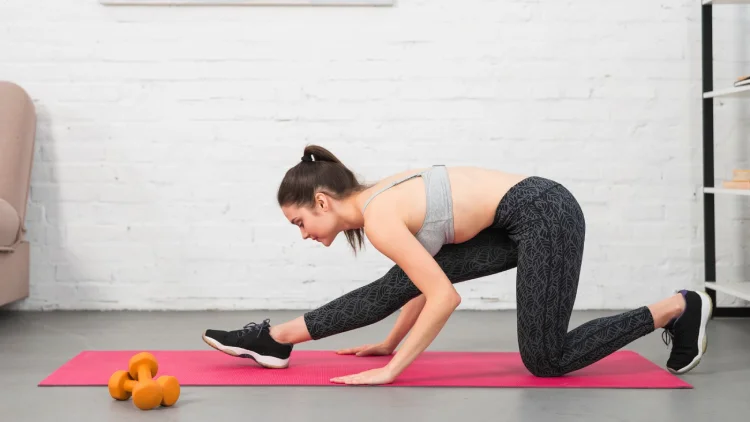
4. Fire Hydrants
Fire hydrants help to target the side glutes and promote hip mobility.
- Start on all fours
- Raise 1 knee to the side (hips level)
- Pause before lowering
5. Standing Hip Abduction
This exercise is one of the best glute side-standing exercises to isolate the gluteus medius.
- Hold onto something stable and face upward with your back straight
- Conduct one-leg lateral raise under control
- Don’t lean your body
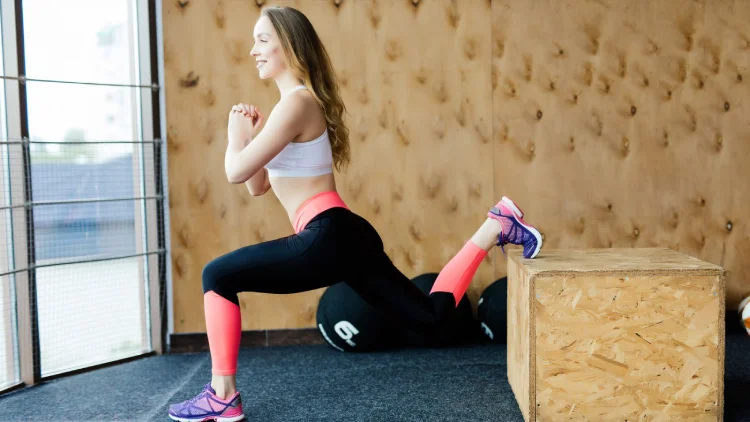
6. Curtsy Lunge
Curtsy lunges build muscle in both the glute area and the thighs.
Aimed at the outer hips, this exercise is also good for balance and coordination.
7. Single-Leg Romanian Deadlift
One of the best single-sided glute exercises, it improves:
- Balance
- Hip stability
- Hamstring strength
- Glute activation
8. Dumbbell Step-Up
One of the most effective side glute dumbbell exercises.
Step onto a bench as you drive through your heel with dumbbells.
9. Cable Hip Abduction
This is one of the best side glute exercises in the gym as it builds maximum tension in the muscles all of the time.
Cable abduction exercises for the glutes on the side are also known as side glutes.
10. Cable Kickback
The side glute exercises cable kickback variation targets both the gluteus maximus and upper side glutes.
- Always move slowly and deliberately
- Avoid swinging your leg
Side Glute Exercises at Home
There’s no need to have a lot of fancy equipment to create more powerful hips.
The best side glute exercises at home are:
- Side-Lying Leg Raises
- Clamshells
- Fire Hydrants
- Standing Hip Abduction
- Donkey Kicks
- Glute Bridges
- Monster Walks
- Banded Sidewalks
These side glute exercises home workouts are space-efficient and have wonderful outcomes.
Side Glute Exercises with Resistance Bands
Resistance Bands provide a progressive increase in tension during each repetition.
Some of the most common glute side workout moves using resistance bands include:
- Clamshells
- Monster Walks
- Standing Hip Abduction
- Fire Hydrants
- Glute Bridges
- Lateral Walks
These banded side glute workouts are perfect for home workouts and warm-ups.
Side Glute Exercises with Weights
To build a stronger, rounder look to the side glutes, resistance should be added, increasing the tension in the muscles. With progressive loadings over time, weighted exercises can help stabilize the hips, ensure balance, and help build strength in the lower body.
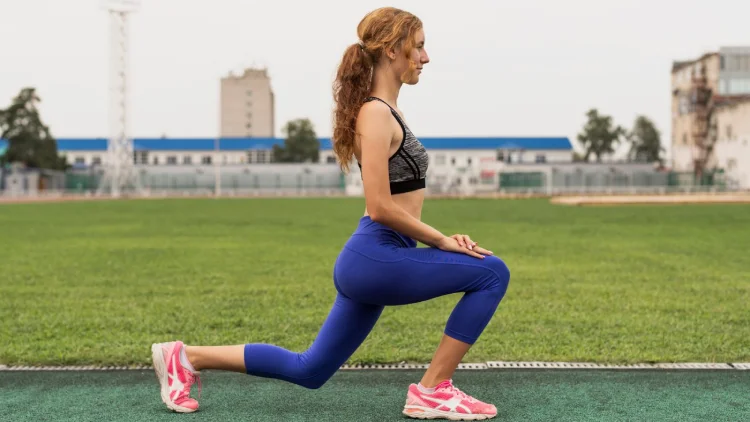
1. Curtsy Lunges
Curtsy lunges work your inner glutes, quads, and balance/coordination on the side thighs.
- With one leg back and behind the other, lower into the lunge.
- Press through the front heel to get back to the start-up position.
- Let your chest remain upright and keep your knees together.
2. Bulgarian Split Squats
Single-leg exercise is performed to put a lot of tension on the glutes, correcting strength imbalance.
- Place one foot on a bench behind you.
- Move thighs down until they are nearly parallel to the floor.
- Drive through front heel down to stand back up.
3. Dumbbell Step-Ups
The glutes build strength and balance with step-ups and are functional lower-body power as well.
- Hold a dumbbell in each hand.
- Place one leg on a stable bench.
- Press your heel through and do not “catch up” with the heel.
4. Romanian Deadlifts
Romanian deadlifts focus on hamstrings and glutes, but also provide hip stability for the side glutes.
- Grab dumbbells or a barbell in front of your thighs.
- Bend at the hip with a straight back.
- Come back to the starting position by pressing your glutes tight.
5. Goblet Squats
Goblet squats engage the glutes during the entire exercise, which helps to build the lower body.
- Hold a dumbbell or kettlebell close to your chest.
- Bend knees to come to a squat with thighs parallel to the ground.
- Squeeze glutes at the top and push through the heels.
Side Glute Exercises at the Gym
More resistance and more types of exercise through gym equipment.
The best glute or butt workouts at the gym include:
- Cable Hip Abduction
- Cable Kickbacks
- Hip Abduction Machine
- Smith Machine Lunges
- Functional Trainer Hip Raises
These cable side glute workouts provide consistent tension and are relatively very effective.
Beginner Side Glute Workout
Perform 2–3 times weekly.
- Clamshells – 15 reps
- Stand side by side to perform Side Leg Raises – 15 reps
- Fire Hydrants – 12 reps
- Standing Hip Abduction – 15 Reps.
- Glute Bridges – 15 reps
Complete three rounds.
Intermediate Side Glute Workout
- Monster Walks
- Curtsy Lunges
- Dumbbell Step-Ups
- Single-Leg Romanian Deadlifts
- Cable Hip Abduction
Complete 3–4 rounds.
Advanced Side Glute Workout
For advanced trainees, use the following combination of advanced features:
- Heavy Cable Abductions
- Bulgarian Split Squats
- Dumbbell Lunges
- Heavy Hip Thrusts
- Cable Kickbacks
- Lateral Band Walks
Gradually build up resistance, keeping the movement in control.
Common Mistakes
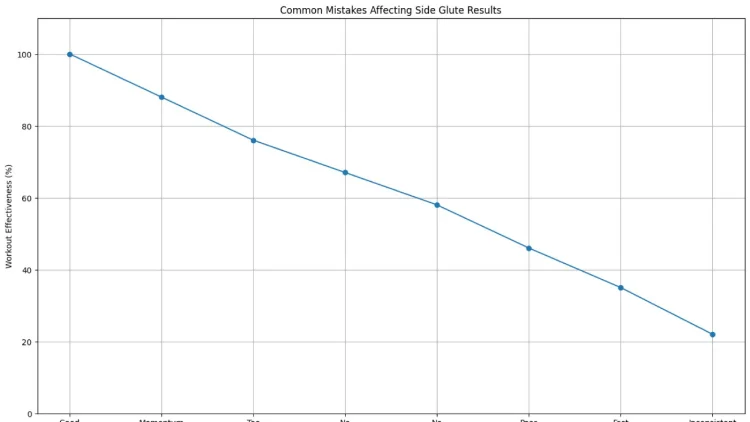
This exercise is often done incorrectly, limiting the muscle activation and thereby increasing the risk of injury. If you work out regularly, you might still be making some of these mistakes that can stifle your side glutes’ growth. Being mindful of proper form and controlled movement will lead to improved strength, stability, and muscle development.
1. Using Momentum
- Bodies swinging result in less muscle activation.
- Compressing reps reduces the time under tension.
- Slow and controlled all reps.
2. Lifting too much weight
- Gym-goers with weight overload typically exhibit bad form.
- The side glutes get compensated for by other muscle groups.
- Select a weight that is under the user’s control using correct form.
3. Skipping Warm-Ups
- Cold muscles are more susceptible to strains and injuries.
- Poor mobility can reduce exercise performance and muscle activation.
- Spend 5–10 minutes doing dynamic stretches and glute activation exercises before your workout.
4. Ignoring Progressive Overload
- If the same resistance is used, there is a slowdown in progress.
- Build up weight, reps, or sets slowly.
- Log your exercise sessions to make sure you are always making progress.
5. Let Knees Fold Inwards
- Uses excessive force on the knees.
- Minimizes side glute use.
- Do not let your knees move further apart than your toes.
6. Performing Partial Repetitions
- Limits muscle engagement.
- Saps the effectiveness of strengthening and building muscles.
- Do all repetitions through the range of motion.
7. Poor Body Position
- Bending or side bending will remove tension from the muscles of the buttocks.
- Bending your back over makes it more likely that you will get injured.
- Tighten abdominal muscles and lift spine to the neutral position.
8. Training Too Fast
- Instead of using muscle control, momentum will be the enforcer.
- Decreased time under tension with fast reps.
- Move with deliberate, controlled motions.
9. Training Inconsistently
- Lack of consistency with workouts stalls progress and results.
- To grow, muscles require constant stimulation.
- Exercise the glutes of your lower back 2-3 times a week.
Tips for Faster Results
To promote better muscle development:
- Work the buttocks muscles 2–3 times a week
- Prioritize good technique
- Increase resistance gradually
- Eat sufficient protein
- Get a minimum of 7 hours of sleep
- Stay hydrated
- Allow muscles to recover
Everybody at some point is wondering what is going wrong with their side glutes that they’re unable to grow. Most often, these causes are under training intensity, varying exercises, poor nutrition, insufficient recovery, or just focusing on squats rather than isolation exercises. These are usually compound movements along with some isolation training that targets the area of the body with the goal of achieving an optimal response.
Improper pelvic alignment and overuse of the low back may also be prevented with strong glutes, which will also further enhance hip stability. Strengthening glutes isn’t the magic cure for sciatica, but enhanced hip stability may allow for improved movement with the back. Those who experience chronic nerve pain should get a professional assessment before starting an exercise regimen.
Sitting for prolonged periods of time can decrease activation in the glutes. Activated muscles can be woken up through daily standing for abductions, gentle glute squeezes while lying down, and activation drills in advance of exercise.
Conclusion
The gluteals are an integral area of the lower body, and performing exercises from the side is an essential component of a lower body workout. Side glute exercises at home, side glute exercises with weights, side glute exercises with resistance bands, or advanced cable side glute exercises all train the gluteus medius and gluteus minimus and can help develop better posture, balance, athletics, and hip stability. To gain full long-term benefits, concentrate on progressive overload, good form, sufficient recovery, and a balanced diet. The exercises can be used over time to develop stronger, healthier glutes and more efficient movement in everyday life.
Frequently Asked Questions
1. What are the top side glute workouts?
Some of the best are clamshells, side leg raises, fire hydrants, cable hip abductions, and lateral band walks.
2. How frequently should I train my side glutes?
The most effective way to train side glutes is to do so 2–3 times/week.
3. Is it safe to work out at home?
Yes. Several side glute workouts don’t even need any equipment, for example, clamshells, fire hydrants, and side leg raises.
4. Why is it that my glutes don’t grow on the right side?
The most typical reasons are poor form, inconsistent training, lack of progressive overload, and poor nutrition.