
The glute ham raise is an effective lower-body exercise that targets your hamstrings, glutes, and lower back, enhancing strength, speed, balance, and posture, and reducing the risk of injury in athletes. It’s a top exercise for strengthening the posterior chain. It covers how the exercise works, the best way to perform it with or without weights, common glute ham raise mistakes, variations, alternatives, and how it can help with weak glutes, tight hamstrings, lower-body imbalances, and more. And how the glute ham raise stacks up against other moves, such as the Nordic curl, Romanian deadlift, and back extension.
- What Is a Glute Ham Raise?
- Muscles Worked in the Glute Ham Raise
- The Glute Ham Rise is a great exercise.
- Glute Ham Raise (Step by Step)
- Common Mistakes to Avoid
- These indicate an issue with posterior chain balance
- Advanced Variations
- Training Tips for Better Results
- Who Should Do Glute Ham Raises?
- Exercise Comparisons and Alternatives
- Signs of Weak Glutes and Other Problems
- How to Get Rid of Flat Glutes
- Conclusion
- Frequently Asked Questions
What Is a Glute Ham Raise?
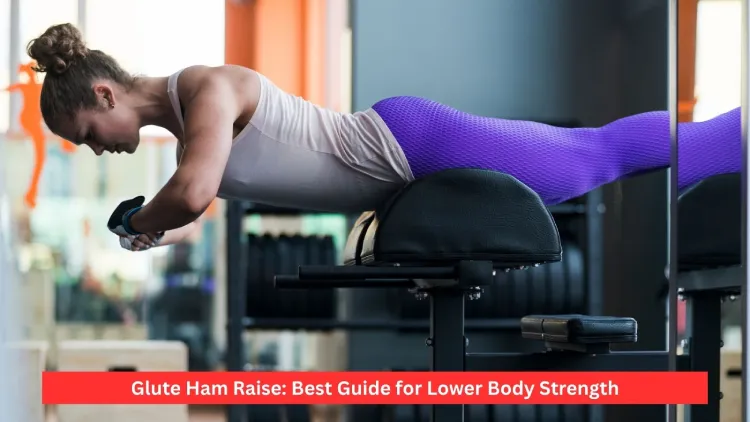
A glute ham raise is a weight-bearing exercise that involves an eccentric movement of the hamstrings and glutes. It can be done on a glute-ham developer (GHD) machine or modified to be done on the floor.
During a typical glute ham raise exercise, you begin with a kneeling position on your feet. You begin to bend at your hips with your hamstrings, then lift using your lower body muscles with controlled effort in the upward movement.
It’s an unusual movement as it includes:
- Knee flexion (like a curl)
- Hip extension (like a deadlift pattern)
- Core stabilization
This makes the glute ham raise a valuable exercise for strengthening the lower half of the body.
The exercise is also sometimes called:
- GHD raise
- Natural hamstring curl
- Nordic ham raise (albeit slightly different biomechanically)
The glute ham raise is a multi-mechanical and athletic movement as opposed to the isolation machines.
Muscles Worked in the Glute Ham Raise
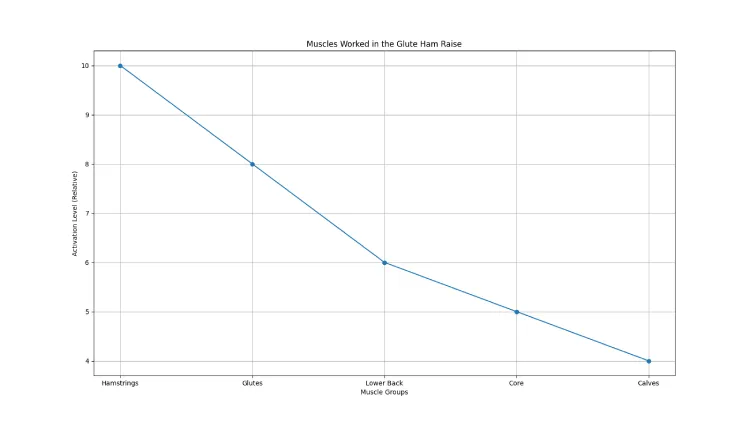
The glute ham raise recruits multiple muscles and targets the major muscles responsible for running, jumping, and strength improvements.
Hamstrings (Primary Muscle)
Hamstrings (Primary Muscle). They are eccentrically contracted during the descent. When you are rising upwards, they help push your body upwards.
Hamstrings enhance speed, reduce injuries, and contribute to balanced muscles in the leg.
Glutes
The glutes extend the hip, particularly as we come back to the starting position. When glutes are weak, we can get posture problems, lower back pain,n and waste energy. The glute ham raise helps to switch them on.
Lower Back
Muscles in the spine help maintain your posture. They don’t play a major role in the exercise, but they help with form and prevent you from falling over.
Core Muscles
Your abdominal muscles help maintain your posture. Without core muscles, it will be uncontrollable.
Secondary Stabilizers
Hip stabilizers and calves also play a part.
The Glute Ham Rise is a great exercise.
The glute ham raise is one of the best exercises to improve athletic performance and reduce the risk of injury.
Builds Strong Hamstrings
A key advantage of the glute ham raise exercise is the full development of the hamstrings. This exercise works the eccentric (negative) and concentric (positive) portions.
Improves Athletic Performance
Having stronger hamstrings and glutes means greater speed, jump, and power. Lifting weights,s such as the glute ham raise,se is part of many athletic training programs.
Reduces Injury Risk
Deficiency in the hamstrings can result in strain, knee instability, and hip instability. Glute ham raises can prevent these problems by strengthening the posterior chain.
Enhances Glute Activation
Many people have weak glutes. Glute ham raises re-activate and strengthen them, which will improve posture and lower your risk of lower-back problems.
Helps Fix Muscle Imbalances
Today’s lifestyles can leave weak glutes and tight hamstrings. This exercise rebalances the body’s front and back.
Improves Core Strength and Stability
As this is a total body movement, it helps improve core stability and posture.
Supports Joint Health
It helps to lower the stress on the knee, hip, and lower back joints.
Alternative Perspective on Effectiveness
Many coaches list the glute-ham raise exercise as a “go-to” posterior chain exercise. Alternatively, we know that Romanian deadlifts or hip thrusts work well, but the GHR exercise adds an extra eccentric load component to the movement.
Is It Necessary?
It is not an essential exercise to include, but it is highly recommended for sports or lower-body training. But it can be introduced using regressions.
Glute Ham Raise (Step by Step)
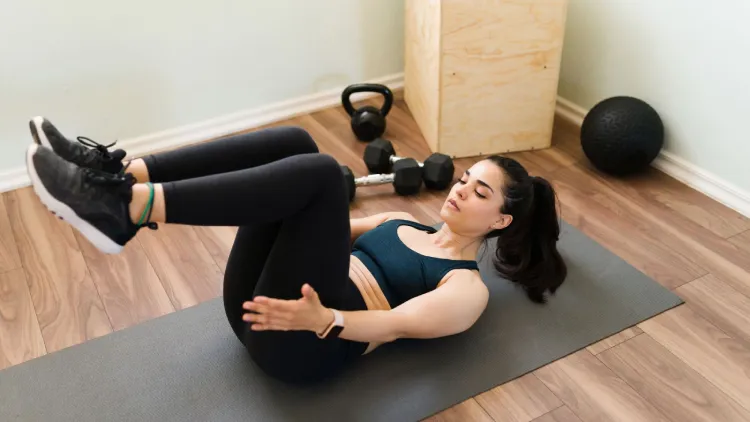
To get the best out of the Glute Ham Raise (GHR) and prevent injuries, it is important to perform the exercise correctly.
Step 1: Set up Position
Be sure your feet are secured under the footplate and your knees on the pad. Make sure your back is straight from the knees to your shoulders.
Step 2: Controlled Descent
Gently tip forward to the ground. It’s critical to do this part of the movement to build eccentric strength in the hamstrings.
Step 3: Keep Abdominals Tight
Don’t drop your hips. Make sure you don’t let your core sag.
Step 4: Return Phase
Use your hamstrings and glutes to return to the starting position.
Step 5: Repeat
- Do so in a controlled manner without momentum.
- How to do the Glute Ham Raise Without a Machine
- You don’t need access to a GHD machine.
There are a few ways you can do a modified glute ham raise:
- A couch or object with a bar pulled under it
- A partner holding your ankles
- Resistance band for support
- Anchored feet under furniture
The exercise is still the same: hamstring strength to lower and lift the body.
At-Home Version
To do the glute ham raise at home, try:
- Performing on a cushioned surface
- Placing feet under a heavy table
- Placing a yoga mat under your legs
You might not achieve the full range of motion at first, but it will come with practice.
Common Mistakes to Avoid
Many people don’t do the glute ham raise correctly, diminishing its benefits.
Using Momentum
This makes the exercise a momentum move, which is less effective at activating the muscle.
Weak Core Engagement
Cheating reduces the ability of the lower back to cope with stress
Poor Range of Motion
Going less means less hamstring muscle is used.
Going Too Fast
Speed reduces tension. Movement should be slow and controlled.
Overloading Too Early
Novices can try varying the exercise too early and develop faulty form.
Mistakes Linked to Weak Glutes
Weak glutes can cause you to:
- Overuse hamstrings
- Have a tight lower back
- Have trouble staying balanced
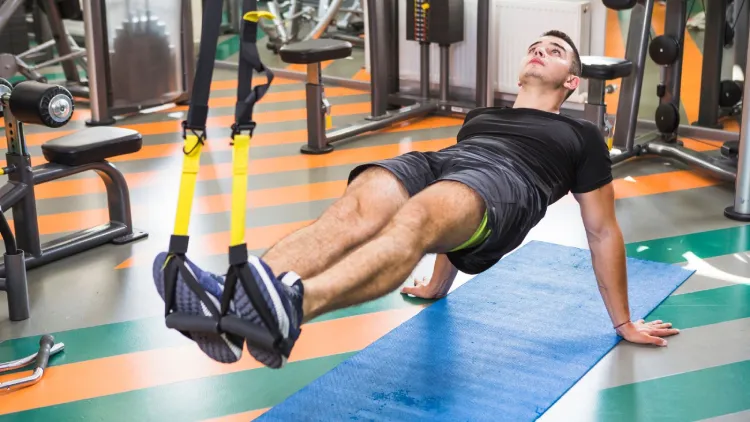
These indicate an issue with posterior chain balance
Beginner-Friendly Progressions
Progressive exercises can prepare beginners for the glute ham raise.
Assisted Glute Ham Raise
Push up phase with help from hands.
Negative Repetitions
Only lower down and push up assisted.
Stability Ball Hamstring Curl
An easier exercise to strengthen the hamstrings.
Hip Bridge Variations
Progressive way of activating glutes.
Nordic Curl Progression
This exercise is similar to the Nordic but is a more knee-dominant action. But it can also be used as a stepping-stone or substitute.
Advanced Variations
As your glute strength increases, you can advance the exercise:
Weighted Glute Ham Raise
Can limit your range of motion.
Explosive Variation
The increasing speed of the movement improves power.
Single-Leg Glute Ham Raise
Very advanced unilateral exercise.
Tempo Training
Eccentric lowering (negative) makes the exercise stronger.
Training Tips for Better Results
To get the most out of glute ham raises:
- Train 1-2 days per week
- Perform slowly during the eccentric phase
- Pair with hip thrust, deadlifts
- Always warm up hamstrings
- Prioritize form over repetitions
Glute Activation Tip
Perform glute activation exercises (bridges, hip thrusts) before the glute ham raise. This improves muscle engagement.
- Hint: The “8-8-8 Rule.”
A useful approach is:
- 8 reps controlled
- 8-second eccentric lowering
- 8 seconds rest
This is a good way to increase time under tension and promote muscle growth.
Who Should Do Glute Ham Raises?
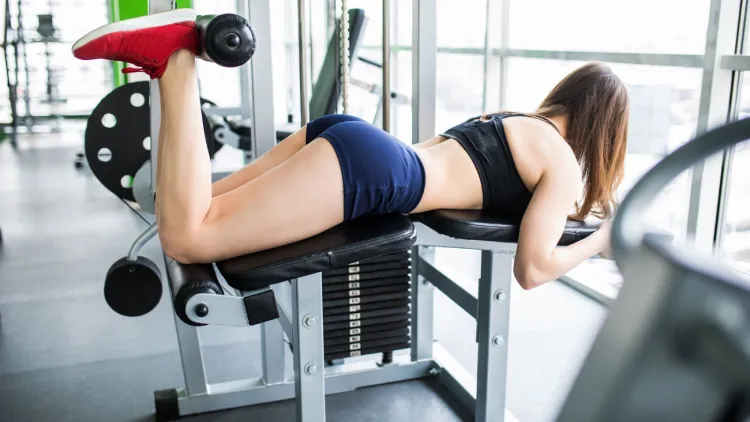
Who should do the glute ham raise:
- Sprinters, football/basketball players
- Strength trainers
- Fitness enthusiasts
- Those with weak glutes or hamstrings
- People fixing posture/imbalance
Can Beginners Do It?
Yes, but via progressions. No, not at full difficulty.
Exercise Comparisons and Alternatives
Glute Ham Raise vs Nordic Curl
The glute ham raise involves both a hip and a knee extension, whereas the Nordic curl is more of a knee extension. The Nordic curl targets the hamstrings more, but the glutes less.
Glute Ham Raise vs Back Extension
Back extensions work the muscles of the lower back, but the glute ham raise works the hamstrings and glutes.
Glute Ham Raise vs Hamstring Curl
Hamstring curls strengthen hamstrings; the glute ham raise training is more functional due to body control.
Romanian Deadlift (RDL)
RDLs work on glutes and hamstrings via a hip thrust. They are great for building strength, but don’t have the eccentric component of the glute-ham raise.
So, RDLs are excellent for glute and hamstring development, but the glute-ham raise provides more control and injury prevention qualities.
Best Alternatives and Substitutes
But, if you are unable to perform the glute ham raise, alternatives include:
- Romanian deadlifts
- Hip thrusts
- Nordic curls
- Stability ball curls
- Back extensions
These exercises can be used to substitute for or supplement the glute ham raise in a training routine.
Signs of Weak Glutes and Other Problems
Weak glutes can lead to:
- Lower back pain
- Tight hamstrings
- Poor posture
- Knee instability
- Reduced athletic performance
In some instances, weak glutes may lead to injuries such as plantar fasciitis due to altered biomechanics.
Improving glute strength (with exercises like the glute ham raise) can rebalance the body.
How to Get Rid of Flat Glutes
To strengthen and shape your glutes:
- Perform hip thrusts
- Perform glute ham raises
- Warm up your glutes before exercise
- Don’t sit for too long
- Train the posterior chain regularly
How to Fix Weak Glutes
It is possible to strengthen weak glutes. The glutes can be improved with correct activation and strength training.
The glute ham raise is a good exercise for this, as the glutes must work during the lowering and lifting phases of the exercise. This helps them regain strength, increase their activity,n and rebalance.
With consistent practice and good technique, glutes are re-educated to fire and can restore glute strength, posture, and lower-body strength and performance.
Conclusion
The glute ham raise is a highly effective lower-body exercise to enhance hamstring and glute strength and boost performance in sports. Whether using a machine or modifying it for home, it offers complete glute and hamstring strengthening.
Mastering technique, common errors, and progressive overload will ensure that the glute ham raise helps strengthen muscles, enhance posture, and improve physical performance.
Frequently Asked Questions
1. Can glutes be strengthened?
But weak glutes can be improved with exercise. Training such as the glute ham raise, hip thrust, and bridges will reactivate and strengthen the glutes over time.
2. How long will it take to fix weak glutes?
This varies based on exercise and consistency, but you’ll see real gains in a matter of weeks with lower-body strengthening and activation exercises.
3. Why aren’t my glutes activating?
This is more common in people sitting for extended periods, have poor movement patterns, and/or rely more on the lower back and hamstrings during physical activity. This can be resolved with activation and slow-controlled exercises such as the glute ham raise.
4. Will the glute ham raise strengthen weak glutes?
It is very effective, but for optimal glute strength, use other exercises as well, such as hip thrusts, squats, and glute bridges to get the complete glute worked.