
Leg workouts are vital for enhancing the strength of the lower body, balance, athletic performance, and everyday movement. Among the best leg exercises for home, gym, with dumbbells, and without are all provided here for all levels of fitness. You’ll also read effective routines for men, women, beginners, and older people, as well as some tips from the experts on making sure you build muscle safely, enhance mobility, and get the long-term fitness outcome you’re looking for.
Why Leg Exercises Are Important?
Building strength and balance in your lower body is important for performing activities of daily living such as walking, running, climbing up and down stairs, and lifting activities, as well as for strength in your lower body. An important aspect of strength in the lower body is the building of strength and balance through leg exercises, which support walking, running, climbing stairs, lifting, and everyday activities. Your legs have some of the biggest muscle groups in the body, so taking care of them regularly can not only help increase muscle mass, but also aid in greater calorie burn and fitness levels as well.
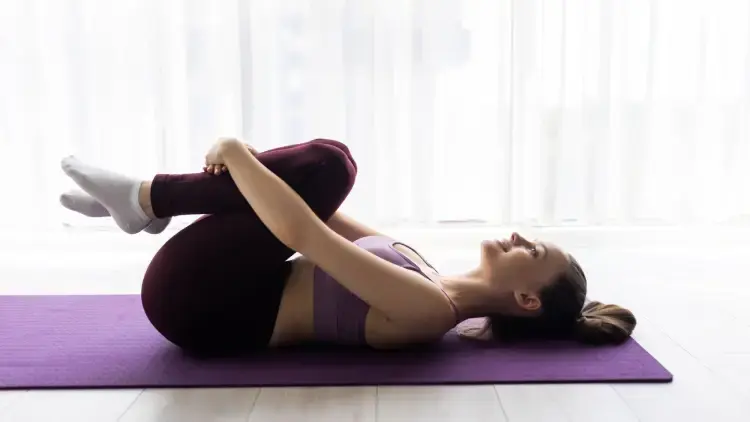
Which Muscles Do Leg Exercises Target?
It’s important to know the major muscles involved in certain leg exercises to get the maximum out of those exercises. Balanced training results in, e.g., enhanced strength, balance, mobility, and overall performance in the lower body.
Quadriceps (Front of the Thigh)
The quadriceps help straighten your knees and generate power for movements like squats, lunges, and jumps.
Best Exercises:
- Squats
- Leg Press
- Walking Lunges
- Leg Extensions
Hamstrings (Back of the Thigh)
Hamstrings bend the knees and extend the hips, which increases running speed, enhances posture, and stabilises the knee.
Best Exercises:
- Romanian Deadlifts
- Leg Curls
- Glute Bridges
- Nordic Curls
Glutes (Buttocks)
The glutes offer power, enhance hip stability, and assistance correct posture during everyday life and exercise.
Best Exercises:
Calves (Lower Legs)
Calf muscles assist in walking, running, jumping, and balance.
Best Exercises:
- Standing Calf Raises
- Seated Calf Raises
- Jump Rope
- Single-Leg Calf Raises
Hip Flexors and Adductors
These muscles can provide stability to the hips, increase hip range of motion, and aid in glute movement during lower body exercises.
Best Exercises:
- Side Lunges
- Lateral Lunges
- Resistance Band Walks
- Cable Hip Adduction
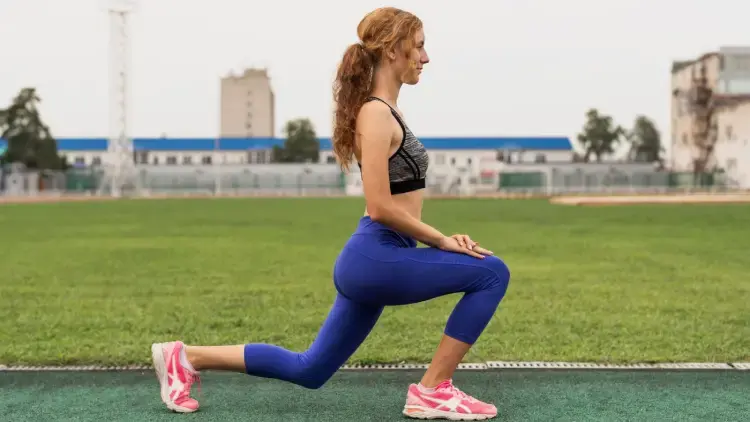
Benefits of Leg Exercises
Doing leg work regularly not only strengthens your leg muscles, but it can also help you attain better health, move more easily, and achieve sporting performance. Lower leg training is beneficial long-term for both levels of fitness, at home or in the gym.
Key Benefits of Leg Exercises
- Develop Lower-Body Strength: Strengthen quads, hamstrings, glutes, and calves to help improve daily functioning.
- Burn MORE Calories: Compound exercises, such as squats and lunges, burn more calories, which helps speed weight loss.
- Enhance Sport and Fitness: Increase movement speed, movement power, balance, endurance, and movement agility in sport and fitness.
- Build Strong Bones: Weight-bearing exercises promote healthy bones and lower osteoporosis risk.
- Support Healthy Joints: Strong leg muscles support the knees, hips, and ankles and reduce risk for injury.
- Enhance Mobility: Improve flexibility, balance, and range of motion for easier movement.
- Increase Functional Fitness: Make daily activities like walking, climbing stairs, and lifting objects easier while supporting healthy aging.
Different Types of Leg Exercises
Many of the best leg workouts depend on equipment and fitness level, along with goals, as well. By selecting the appropriate exercise regimen, whether it entails exercising at home, at the fitness center, with weights, or by utilizing body weight, you will be able to enhance your strength, mobility, and long-term outcomes.
Leg Exercises at Home
At-home leg workouts are a cheap and easy option to work out your lower body without having to join a gym. Great for beginners and can be made more difficult by the addition of more resistance bands or dumbbells as strength increases.
Best Exercises:
Tips:
- Work out 2–3 times per week.
- Practice good mechanics, then add repetitions.
- Incorporate gradual resistance for further development.
Leg Exercises Without Equipment
There’s no need for fancy gear to build strong legs. Leg exercises without equipment are done using your body weight to build Quadriceps, Hamstrings, glutes, and Calves strength and balance and enhance endurance.
Best Exercises:
- Air Squats
- Reverse Lunges
- Side Lunges
- Wall Sit
- Jump Squats
- Glute Bridge
- Donkey Kicks
- Calf Raises
Ideal for home, travel, or beginners looking to master how to move.
Leg Exercises with Dumbbells
Attach dumbbells to make it more challenging and build muscle, strength, and stability. Dumbbell leg exercises can be performed both in the home gym and at the gym, and can be performed with progressive overloading of the muscles.
Best Exercises:
- Goblet Squat
- Romanian Deadlift
- Bulgarian Split Squat
- Walking Lunges
- Dumbbell Step-Up
- Dumbbell Sumo Squat
- Dumbbell Calf Raise
Begin with smaller weights and build to larger weights over time as you become stronger and more confident.
Leg Exercises Gym
You’ll have access to barbells, machines, and free weights in a gym, which makes it simple to build muscle and gain overall strength in your lower body. Gym Routines for Balanced Legs should include compound and isolation exercises.
Best Exercises:
- Barbell Back Squat
- Leg Press
- Romanian Deadlift
- Hack Squat
- Leg Extension
- Hamstring Curl
- Standing Calf Raise
These exercises are great for improving strength, muscle mass, and athleticism.
Leg Exercises Machine
A leg exercises machine is great for novices and anyone wanting to focus on a particular muscle group. The reasonable movement is achieved by the machines, which helps to improve technique and reduces the chance of getting injured.
Popular Machines:
- Leg Press Machine
- Leg Extension Machine
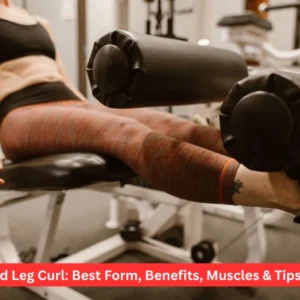
- Seated Leg Curl
- Hack Squat Machine
- Smith Machine
- Standing Calf Raise Machine
Combining free weights and machines can bring balance to your workout regimen.
Leg Exercise Machines For The Home
Whether working out at home or not, having leg exercise equipment for the home will make exercises more effective. Several compact pieces of equipment are utilized for the finest resistance training even while in such a small area.
Popular Equipment:
- Adjustable Dumbbells
- Resistance Bands
- Compact Leg Press
- Mini Squat Machine
- Pedal Exerciser
- Multi-Gym System
These activities can be used to develop strength in the absence of a commercial gym.
Leg Exercise Machine for Elderly
Strength in the lower body is vital for balance, mobility, and self-care, and increases in importance as children grow up. A leg exercise machine for elderly use offers low-impact resistance training with less impact to the joints.
Recommended Equipment:
- Recumbent Bike
- Seated Pedal Exerciser
- Mini Elliptical
- Low-Resistance Leg Press
- Hydraulic Resistance Trainer
Regular or repeated use can help increase mobility, strength, and confidence to do everyday activities.
Leg Exercise Machine for Circulation
Leg exercise machine for circulation encourages proper circulatory flow by means of repetitive, mild exercise. Patients who have recently undergone surgery, seniors, or those who sit for extended periods of time can benefit from these machines.
Examples:
- Under-Desk Pedal Exerciser
- Motorized Leg Exerciser
- Seated Elliptical Machine
- Passive Motion Trainer
These devices are good for circulation, but should be used in conjunction with strength training, if possible.
Exercise Equipment for Legs and Thighs
The right leg and thigh workout that has you exercising with the right equipment can help you get the job done while exercising the right muscles. Whether you are starting a home workout or want to add new gear to your workout, good gear can help you make long-term progress.
Popular Equipment:
- Adjustable Dumbbells
- Resistance Bands
- Kettlebells
- Squat Rack
- Leg Press Machine
- Cable Machine
- Adjustable Weight Bench
- Stability Ball
Mixing different kinds of equipment and a steady workout program will lead to improved leg strength, endurance, and overall fitness with better results.
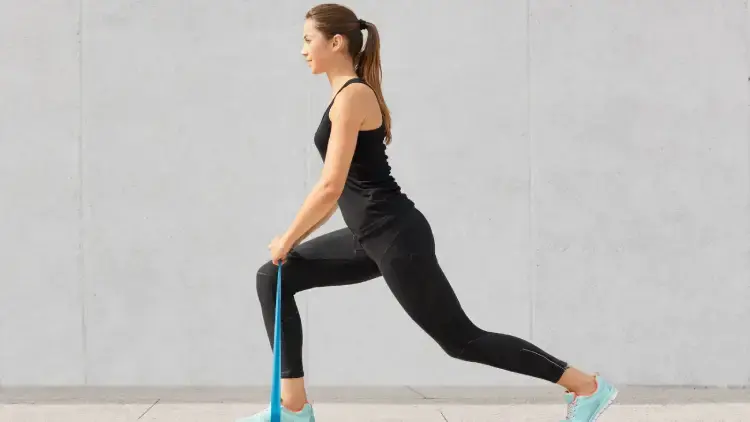
Preparing for Your Leg Workout
Warming up before the exercises for the legs is very important. A good warm-up gets the blood flowing, stretches your joints so they’ll move more easily, and can prevent injury.
Do dynamic movement exercises for about 5-10 minutes first, followed by weightlifting or heavy exercises.
A good warm-up will consist of:
- One 3-minute run-up or cycle
- Leg Swings (Front-to-Back)
- Side Leg Swings
- Bodyweight Squats
- Walking Lunges
- Hip Circles
- Glute Bridges
- High Knees
- Ankle Rolls
- Dynamic Hamstring Stretch
Don’t stretch statically before strength training; it can bring a temporary reduction in muscle performance. Save longer periods of time for cool-down after your workout.
How to Choose the Right Leg Exercises
Not all exercises can be performed by all individuals. Your exercise selection should be based on your age, fitness level, experience, equipment available, and your goals.
Below are some basic advisory recommendations:
- Beginners: Do bodyweight squats and lunges, glute bridges, and leg exercises at home before introducing weights.
- If building muscle is being built, focus on these exercises: squats, Roman chair, deadlifts, hip thrusts, and leg work with dumbbells or barbells.
- Weight Loss: Couple compound leg moves together and take short rest breaks.
- For Older Adults: Do low-impact exercises or a leg machine for people over the age of 65 to reinforce safety.
- At-home workout: Add leg workouts at home using no equipment or using resistance bands and dumbbells for extra resistance.
- Gym Workout: Combine free-weight exercises with leg workouts on gym machines to build well-rounded muscle groups.
Choosing the right combination of activities can lead to slow and progressive progress without undue risk of overuse injuries.
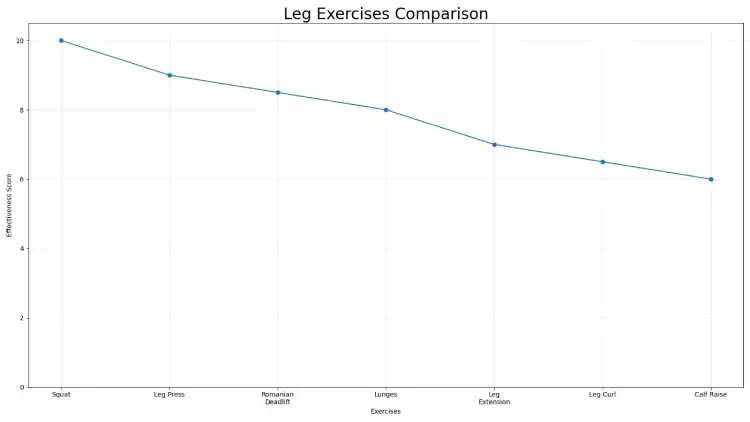
Leg Exercises Comparison
| Workout Type | Best For | Main Benefit |
| At Home | Beginners | Convenient and effective |
| Without Equipment | Home & Travel | Builds strength using body weight |
| With Dumbbells | Muscle Growth | Increases strength and muscle mass |
| Gym Exercises | Advanced Training | Maximizes power and muscle growth |
| Leg Machines | All Fitness Levels | Improves form and isolates muscles |
| Machines for Elderly | Seniors | Enhances balance and mobility |
Common Mistakes to Avoid
The best leg workouts available will not work well, even if they are done wrong. Get these pitfalls right to make your workout more effective, minimize the chances of injury, and maximize muscle building.
- Warm Up: Do the warm-up; always spend 5 – 10 minutes doing it.
- Poor Form: Improper form decreases effectiveness and can increase risk of injury.
- Grading to the Right Level: Restrict the amount of weight used and concentrate on the proper technique before adding resistance.
- Failure to incorporate Progressive Overload: To progressively overload, which means increasing weights, reps, or intensity, to further enhance strength and muscle.
- Overtraining one muscle group: Don’t train certain muscles to the exclusion of others, as they won’t be used in their entirety.
- Not Giving Muscles Enough Recovery: Rest your muscles after a really hard leg workout for 48 hours or more.
- Cool Down/Finish session: Stretch lightly at the end of the session to enhance flexibility and lessen muscle soreness.
- Consistency: Being consistent is of utmost importance. For optimal long-term results, strive for leg workouts 2-3 times a week.
Conclusion
Leg exercises are a complete workout component that will help to build leg power, enhance balance, mobilize, and enhance performance in the lower body. Doing leg exercises at home, leg exercises gym workout routines, leg exercises with dumbbells or leg exercises without any equipment – repetition is key to a long-term origin in your fitness journey. Prioritize correct posture, use incremental increases, and rest appropriately. Regular leg training will create greater muscle strength, healthier joints, and improved functional fitness that will help maintain daily tasks and athletic activities.
Want to stay stronger, healthier, and more active? Visit Stretchlee.com for expert workout guides, beginner-friendly exercises, advanced training tips, and proven fitness strategies designed to help you achieve your goals faster.
Frequently Asked Questions
1. What are the best leg exercises?
Squats, lunges, Romanian deadlifts, leg presses, and calf raises are among the best leg exercises for strength and muscle growth.
2. Can I do leg exercises at home?
Yes. Bodyweight squats, lunges, glute bridges, and step-ups are effective leg exercises at home with little or no equipment.
3. How often should I train my legs?
Train your legs 2–3 times per week, allowing enough rest between workouts for recovery.
4. Are leg exercise machines effective?
Yes. A leg exercise machine helps improve strength, supports proper form, and is suitable for beginners and advanced users alike.