
How to do a squat is among the most effective exercises for developing lower-body strength, increasing flexibility, strengthening abdominal muscles, and sculpting the hips. Learning to perform squats correctly ensures safety, maximizes benefits, and reduces the risk of injury. Whether you’re a beginner or an advanced athlete, squats can be adapted to all fitness levels through proper form, appropriate variations, and suitable training strategies.
- How to do a Squat?
- Muscles Targeted in Squats
- How to Perform Squats Correctly (Step-by-Step)
- Benefits of Squats
- Common Mistakes to Avoid
- Squat Variations for Beginners and Advanced Lifters
- How Beginners Should Start Squatting
- How to Protect Your Knees and Back
- Squats and Muscle Development
- Squats and Body Fat
- How often should you do squats?
- How should you warm up before squats?
- Exercises to improve squat performance
- Nutrition and Joint Health
- Should you avoid squats?
- What is the right weight for squats?
- Final Thought
- Frequently Asked Questions
How to do a Squat?
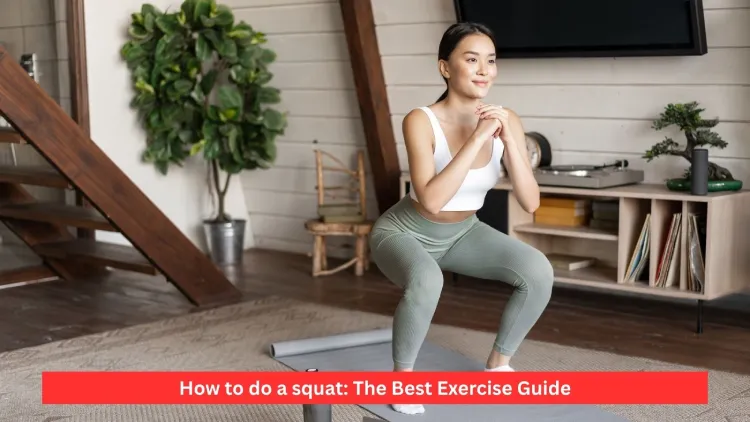
The squat is a fundamental lower-body exercise that involves bending your knees and hips while keeping your chest upright, then returning to a standing position. It’s a compound exercise that engages multiple muscle groups simultaneously. While your quadriceps, hamstrings, and glutes do most of the work, your abdominal and lower back muscles also contribute to maintaining balance and proper posture. The squat’s versatility makes it effective for strength training, endurance training, and even flexibility training. This exercise can be performed using only your body weight, or you can add weights such as dumbbells, barbells, or kettlebells for increased resistance.

Muscles Targeted in Squats
Understanding the muscles involved in squats is crucial to understanding their numerous benefits:
- Quadriceps: Located at the front of the thighs, these muscles are responsible for extending the knees.
- Glutes: One of the most important muscles involved in squats, they are essential for extending the hips and strengthening the lower body in general.
- Hamstrings: These muscles stabilize the body and assist in hip movement during squats.
- Calves: These muscles contribute to balance and ankle stability.
- Core Muscles: These muscles protect the spine and improve posture.
By targeting these multiple muscle groups, squats contribute to building functional strength, which improves performance in daily activities and other exercises.
How to Perform Squats Correctly (Step-by-Step)
Learning to perform squats correctly is crucial for maximizing their benefits and preventing injuries.
Here’s a detailed guide:
1. Starting Position
- Stand with your feet shoulder-width apart, toes slightly turned out.
- Lift your chest and pull your shoulders back.
- Engage your core to protect your lower back.
- Look straight ahead, keeping your spine straight.
2. Lowering Phase
- Push your hips back as if you were sitting in a chair.
- Slowly bend your knees while keeping your back straight.
- Lower your body until your thighs are parallel to the floor (or slightly lower if your flexibility allows).
3. Bottom Position
- Make sure your knees are on your toes and don’t arch inward.
- Keep your spine straight, avoiding excessive arching or bending.
- Primarily shift your weight onto your heels.
4. Lifting Phase
- Using the strength in your heels, straighten your hips and knees simultaneously.
- Squeeze your glutes at the top of the movement.
- Breathe regularly and with control—inhale as you lower yourself, and exhale as you rise.
5. Repeat.
- Focus on proper form rather than speed during repetitions.
- Beginners can start with bodyweight squats and gradually progress to weighted squats.

Benefits of Squats
Squats are rightfully known as the “king of exercises.” They offer numerous benefits, including:
1. Increased Lower Body Strength
Squats contribute to overall lower-body strength by strengthening the quadriceps, hamstrings, glutes, and calf muscles. This, in turn, improves athletic performance and increases ease of movement in daily life.
2. Improved Abdominal Stability
Since squats require an upright posture and balance, they intensely work the abdominal muscles, contributing to improved posture and a stronger core.
3. Increased Flexibility and Mobility
Regular squats contribute to increased flexibility in the hips, knees, and ankles. For individuals with sedentary lifestyles, this can significantly reduce stiffness and improve functional mobility.
4. Joint Health Support
When performed correctly, squats strengthen the muscles surrounding the knees, providing better joint support and helping to prevent injuries.
When performed correctly, squats strengthen the muscles surrounding the knees, providing better joint support and helping to prevent injuries.
5. Strengthen Hips and Legs
Squats are excellent for developing and strengthening your hip flexors, hamstrings, and quadriceps. They also help improve your overall lower body shape and definition.
6. Burn Calories
While squats primarily build strength, they are also effective at burning calories due to the large number of muscle groups they engage.
7. May Help Relieve Back Pain and Sciatica
Strengthening your abdominal and lower body muscles can relieve pressure on your spine and reduce discomfort from lower back pain or mild sciatica.
Common Mistakes to Avoid
Even experienced athletes can make common mistakes while performing squats, which can lead to knee, hip, or back problems:
- Knees Turning Inward: Keep your knees aligned with your toes.
- Arching your back: Always keep your spine straight.
- Lifting your heels off the ground: Your weight should remain on your heels.
- Incomplete squats: Try to achieve the full range of motion if your flexibility allows.
- Bending forward too much: Keep your chest straight to avoid strain.
- Excessive forward knee movement: Focus on pushing your hips back.
Avoiding these mistakes is crucial, especially if you have a history of knee or lower back problems.

Squat Variations for Beginners and Advanced Lifters
Squat exercises are suitable for all fitness levels:
1. Bodyweight Squats
Excellent for beginners to learn proper form and build core strength.
2. Chest Squats
Holding weights close to your chest helps improve posture and increase squat depth.
3. Barbell Back Squats
A fundamental exercise for building strength and muscle mass in the lower body.
4. Jump Squats
Adds an explosive element to strength and fitness.
5. Sumo Squats
The wider stance targets the inner thigh muscles more effectively.
6. Split Squats or Bulgarian Squats
Improves balance by focusing on one leg and correcting muscle imbalances.
How Beginners Should Start Squatting
If you’re new to squats:
- Practice squats using your body weight to learn proper form.
- Practice in front of a mirror to ensure your body is straight.
- Start with two or three sets of 8 to 12 repetitions.
- Gradually add resistance (using a bar or kettlebell) as you become comfortable.
- Warm up before each session to reduce the risk of knee or back pain.
How to Protect Your Knees and Back
Squats are safe for most people, but precautions are necessary for those with torn cartilage in the knee or back problems:
- Focus on proper form and avoid going too deep.
- Strengthen the surrounding muscles (hip muscles, quadriceps, hamstrings) to support the joints.
- Avoid overexertion until strength and flexibility improve.
- Use supportive shoes and stable, level surfaces.
Add joint-friendly exercises like hip raises and lunges to complement your squats.
If you have severe knee damage or grade 4 cartilage loss, consult a doctor before starting squats.
Squats and Muscle Development
Squats are very effective for muscle development:
- Heavy-weight squats stimulate the quadriceps, hip muscles, hamstrings, and even calf muscles.
- Complex movements like squats promote hormonal responses that aid muscle growth. Different squat variations and repetition ranges offer benefits for both strength and muscle growth.
- Even with bodyweight squats, beginners may notice improvements in their hip and leg muscles over time.
Squats and Body Fat
While squats don’t target fat loss in a specific area, they effectively burn calories, contributing to overall fat reduction, including abdominal fat. When combined with a proper diet and a comprehensive exercise program, squats can help you achieve a more toned physique.

How often should you do squats?
The frequency of squats depends on your experience and goals:
- Beginners: 2-3 times per week
- Intermediate: 3-4 times per week
- Advanced: 4-5 times per week with adequate rest and recovery time.
Overtraining can lead to pain, decreased performance, and joint problems. Symptoms of overtraining include persistent fatigue, difficulty completing repetitions, and joint discomfort.
How should you warm up before squats?
Proper warm-up is essential:
- Light cardio exercises (5-10 minutes) to increase blood flow.
- Dynamic stretches such as leg swings, hip rotations, and ankle flexion exercises.
- Bodyweight or air squats to correct posture and activate muscles.
Exercises to improve squat performance
To increase squat depth and power:
- Lusts and stair climbs
- Pelvic and gluteal raises
- Hammer curls
- Core stabilization exercises such as planks and birddogs
- Hip, ankle, and thoracic spine flexibility exercises
These exercises strengthen supporting muscles and improve movement mechanics.
Nutrition and Joint Health
Supporting your knees and joints is important:
- Protein-rich foods for muscle recovery
- Omega-3 fatty acids to reduce inflammation
- Foods rich in vitamins C and D and collagen to support cartilage
- Hydration to keep joints lubricated
Certain foods, such as bone broth, salmon, and citrus fruits, help maintain healthy knee cartilage over time.
Should you avoid squats?
Squats are safe for most people, but caution is advised in the following cases:
- Severe knee cartilage damage (stage IV or advanced osteoarthritis)
- Acute lower back injuries
- Certain cardiovascular conditions (consult a doctor)
Even in these cases, modified or alternative lower-body exercises may provide benefits without the risks.
What is the right weight for squats?
The weight depends on your weight, experience, and goals:
- For beginners: Start with your body weight, or if using weights, use 20-30% of your body weight.
- A man weighing 70 kg can safely begin squats with a weight of 35-50 kg while maintaining proper form.
- Gradually increase the weight as your strength and confidence grow.

Final Thought
In short, squats are a unique exercise for building strength, toning muscles, increasing flexibility, and supporting joint health. By learning proper squat technique, avoiding common mistakes, and adding appropriate exercises, everyone from beginners to professional athletes can benefit from this fundamental movement.With regular practice, proper nutrition, and a gradual progression, squats can help improve performance in other exercises, tone your body, and even alleviate mild sciatica pain. Learn to squat, and you’ll learn one of the most effective exercises for functional fitness and overall health.
Frequently Asked Questions
1. How do I know I’m doing squats correctly?
Proper form is key to reaping the benefits and avoiding injury. Make sure your knees are above your toes, your chest is straight, and your weight is supported by your heels. You can use a mirror or record yourself to identify alignment issues. Beginners should start with bodyweight squats to learn the movement before adding weights.
2. Can I do squats every day?
Squats can be done frequently, but doing them daily with high intensity or using weights can lead to muscle strain. For most people, 2 to 4 squat sessions per week provide optimal strength and muscle building while allowing for adequate recovery. Listening to your body and including rest days is crucial to avoid overexertion or joint strain.
3. Should I avoid squats if I have knee or back problems?
Not necessarily. Squats can often be modified for people with knee or back problems by reducing the depth of the squat, using lighter weights, or combining different variations such as front-of-the-chest squats or split squats. However, serious injuries or advanced cartilage damage should be evaluated by a healthcare professional before attempting squats. Strengthening the surrounding muscles and maintaining proper form helps protect sensitive joints.
4. Do squats help build muscle and improve appearance?
Yes! Squats are highly effective in developing lower-body strength, shaping the hip, thigh, and hamstring muscles, and increasing overall muscle definition. They also strengthen the abdominal muscles and can help reduce body fat by contributing to calorie burning. With regular practice, squats become a fundamental exercise for achieving fitness goals, increasing both strength and physique.