


The gracilis is a long, thin muscle on the inside of the thigh, which assists in hip and knee function. If it tightens, you might experience some pressure or pain in the inner thigh in your day-to-day life or while exercising. Here are some effective gracilis stretches to increase flexibility, loosen tightness, and promote a greater range of motion.
- What is the Gracilis Muscle?
- What is the location of the Gracilis Muscle?
- What Does the Gracilis Muscle Do?
- What Does a Tight Gracilis Muscle Feel Like?
- Why is a tight Gracilis Muscle?
- How to Stretch the Gracilis Muscle Safely
- Best Stretches for a Tight Gracilis Muscle
- For how long should a Gracilis stretch take?
- How many times should you stretch the Gracilis?
- Static Stretching vs. Dynamic Stretching: What is the best?
- General inner thigh stretch vs Gracilis stretch.
- Conclusion
- Frequently Asked Questions
What is the Gracilis Muscle?
The gracilis is a long, thin muscle in the inner thigh and the most superficial muscle of the medial thigh. It goes across the hip and knee joints and aids in turning the thigh in towards the body (hip adduction), bending the knee, and helping to rotate the leg inwards.
The gracilis is a muscle that arises from the pubic bone and runs down the inner thigh to join the upper tibia medially in the pes anserinus. It crosses two joints and thus any tightness or strain in this muscle and the surrounding adductor muscles may alter the motion at the hip, inner thigh and knee.
What is the location of the Gracilis Muscle?
The gracilis muscle is found on the inside (medial) of the thigh. It descends from the pubic area towards the inner side of the knee, where it becomes attached to the sartorius and semitendinosus at the pes anserinus, on the superior border of the tibia.
What Does the Gracilis Muscle Do?
The gracilis helps with several movements of the hip and knee. It has primary roles of:
- Hip adduction: Moves the thigh toward the body’s midline.
- Knee flexion: Helps bend the knee.
- Internal rotation: Helps to turn the lower leg inwards when the knee is bent.
- Movement and stability: Facilitates movement of the hip and knee in coordination with walking and other leg movements.
What Does a Tight Gracilis Muscle Feel Like?
A tight gracilis can be felt as a sensation of tension, stiffness, or a feeling of pain on the inside of the thigh or at the groin area. Note some discomfort with movement of the hip/knee, particularly running/lunging/changes of direction.
Some common feelings are:
- Pain or tension in the inner thigh (adductors)
- Pain and/or swelling in the groin area
- Reduced hip mobility
- Soreness while running or lunging
- Pain on pressing the inner thigh
However, other adductor/groin issues may also cause these symptoms, and so if the pain remains or is very severe, this should not be assumed to be due to the gracilis.
Why is a tight Gracilis Muscle?
The inner thigh muscles can become tight due to excessive activity without adequate rest or due to decreased mobility for extended periods. The factors listed below are common:
- Overuse: The adductor muscles can be over-stressed from repetitive running, cycling and/or sport movements.
- Rapid changes in activity: Any increase in intensity or volume of activity may cause the muscle to become overloaded.
- Previous injury: If the person has a previous groin injury or adductor injury that has caused ongoing stiffness.
- Inactivity for long periods of time: Inactivity for extended periods can lead to muscle stiffness and loss of flexibility.
Not all inner-thigh tightness is caused by the gracilis. The symptoms can be caused by other adductor muscles and nearby structures.
How to Stretch the Gracilis Muscle Safely
However, gentle stretching may help increase flexibility in the inner thigh and hip. Stretches that gradually lengthen the inner thigh will stretch the gracilis and other adductor muscles since it runs across the hip and knee.
Begin with a comfortable range of motion and DO NOT over-stretch. The pressure should be gentle and not sharp or progressive. When you have an injury in your groin area that is recent, or if you experience significant swelling, bruising, weakness, or have trouble putting weight on the area, seek medical advice before stretching.
Best Stretches for a Tight Gracilis Muscle
The following stretches are gentle and stretch the inner thigh adductor muscles, including the gracilis. Take your time and go at your own pace. You should feel a mild stretch—not sharp pain or pulling in the groin.
1. Butterfly Stretch of the inner thigh
Steps to do: Sit up, resting knees and bringing soles of feet together. Gently place your knees toward the floor while holding your feet or ankles, but do not push your knees down.
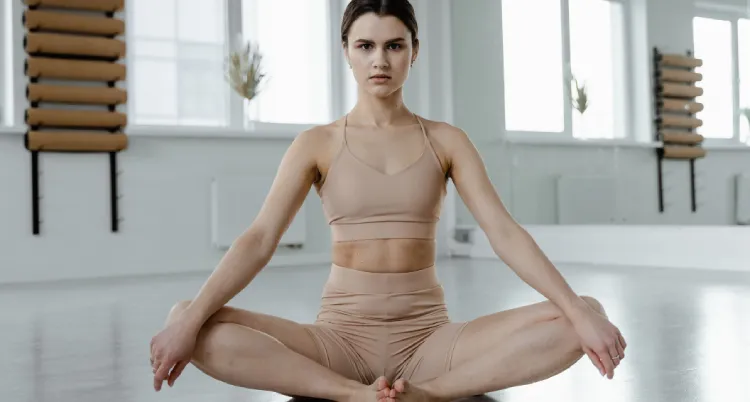
- Hold: 20–30 seconds
- Reps: 2–3
- It should feel: Gently tight in the inner thigh.
- Don’t: Push knees down or increase range of motion.
2. Seated Straddle Stretch
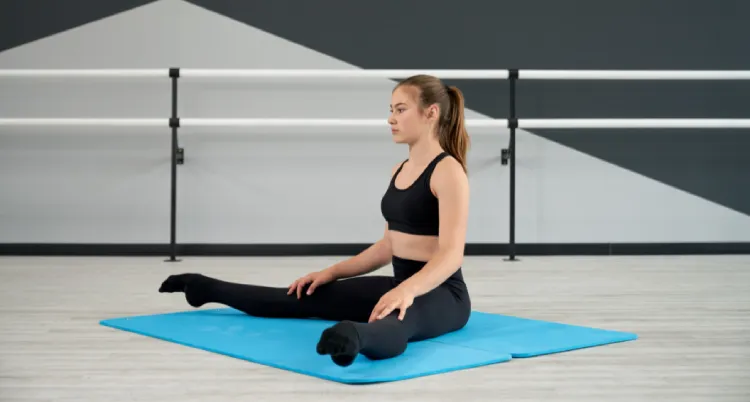
- How to: Sit on the floor with legs comfortably apart.
- Hold: 20–30 seconds
- Reps: 2–3
- The sensation you should feel: Slight stretch in the inner thighs.
- Do not: Aggressively round or press legs apart!
3. Standing Adductor Stretch
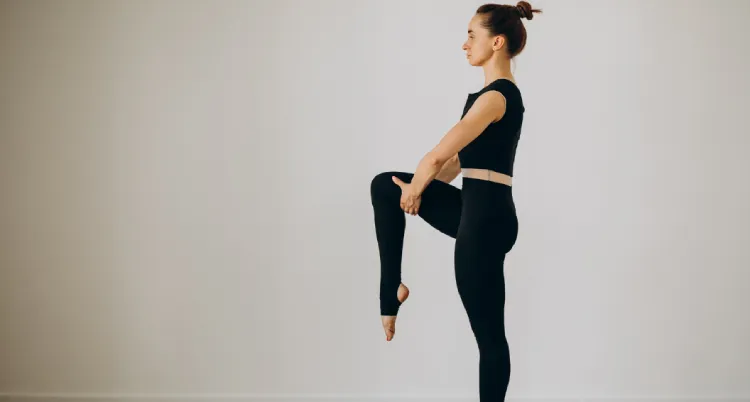
Technique: Stand with your feet more than hip width. Lean towards one leg, while bending that knee and leaving the other one fairly straight. Come back to the center and do the same on the other side.
- Hold: 20–30 seconds
- Reps: 2–3 per side
- The sensation should be: Slight stretch on the inside of the straight leg.
Do not bounce, twist, or fall abruptly into the stretch.
4. Side Lunge Stretch
Position: Feet wide apart. Slowly move hips towards bent knee with straight opposite leg. Straighten the bent leg to get back to the starting position.
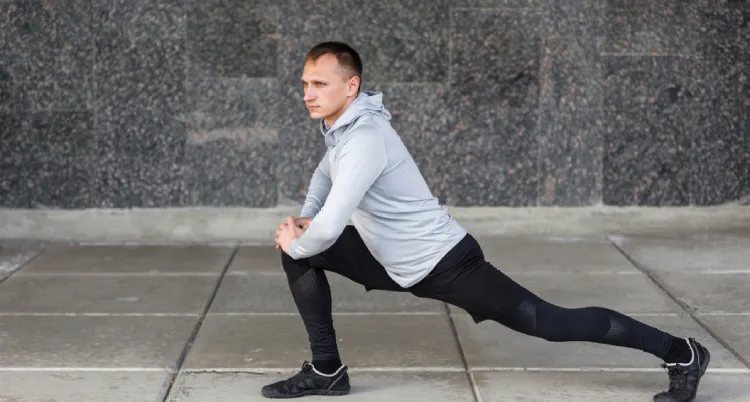
- Hold: 20–30 seconds
- Reps: 2–3 per side
- It should feel: A nice stretch on the inside of the extended leg.
- Do not: Allow bent knee to fall inwards or stretch too far.
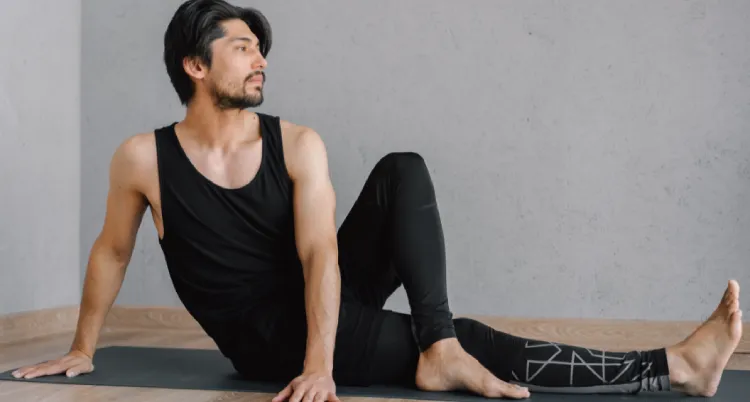
5. Supine Adductor Stretch
How: On back with legs straight. Keeping legs slightly apart, slowly move legs apart until there is a gentle stretch felt in the inner thigh. Maintain control of movement and return legs to starting position.
- Hold: 20–30 seconds
- Reps: 2–3
- The sensation you should feel is: Slight tension from the inside of both thighs.
- This is NOT okay: Letting legs fall too wide apart or stretching too far or into pain.
6. Adductor Rock-Back
How to begin: Place hands and knees on the ground. Stretch one leg straight out to the side, foot flat or toes pointing forward. Move hips backwards slowly, feel a stretch in the inner thigh, move hips back forwards again.
- Don’t: Round too much, bounce, or push your hips backwards.
- Hold: 20–30 seconds
- Reps: 2–3 per side
- You should feel: Slight pressure in the inner thighs on the side with the leg extended.
For how long should a Gracilis stretch take?
A comfortable static stretch is anywhere between 20 and 30 seconds. Slowly stretch, but not bounce, until you feel gentle tension in the inner thigh.
Short holds are good for beginners; they can work up to longer holds as they become more flexible. It’s okay to extend one’s comfortable hold when necessary, but longer does not always mean better for more experienced individuals.
How many times should you stretch the Gracilis?
It’s not about having to have a rigid daily routine. Gentle gracilis and inner thigh stretching can be performed multiple times a week, depending on the amount of activity and comfort level.
Dynamic mobility is typically more appropriate for the preparation process prior to exercise. Static stretching may be beneficial after exercise or when flexibility training is performed at another time of the day when the muscles are warm and comfortable.
Static Stretching vs. Dynamic Stretching: What is the best?
There is no one right or wrong type of stretching. It’s up to you when and why you want to stretch, and which option is the best.
- Dynamic stretching: Involves controlled movement through a comfortable, acceptable range; it can be beneficial in a warm-up or before a task that involves movement.
- Static stretching: Maintain a static stretch for several seconds, which can be beneficial during flexibility/ROM training.
Make controlled dynamic movements a priority during exercise preparation. For flexibility work, comfortable static stretches can be performed after or in a separate session from activity.
General inner thigh stretch vs Gracilis stretch.
It’s not always two completely separate exercises – a Gracilis stretch and a general stretch of the inside of the thigh may be combined. The gracilis is one of several muscles on the inside of the thigh that helps the other muscles on the inside of the thigh.
As a result, most stretches of the inner thigh or adductor will involve more than just your gracilis. Therefore, any exercise that stretches the inner-thigh area, such as butterfly stretches, seated straddle stretches, and side lunges, may be beneficial for flexibility in the inner-thigh area and for stretching the gracilis.
Conclusion
The gracilis assists with movement of the hip and knee; soft stretches on the inside of the thigh can help enhance flexibility and range of motion. Move slowly, don’t over-stretch, and discontinue if the stretch causes sharp or increasing pain.
Looking to become more flexible? Try out other stretches and mobility exercises with expert guidance on Stretchlee.
Frequently Asked Questions
1. Does stretching make a tight gracilis muscle better?
Yes. Flexibility and comfortable ROM can be enhanced by gentle stretches of the inner thighs.
2. What is the best stretch for a tight gracilis?
Some stretches that can target the inner thigh and gracilis are butterfly, seated straddle, standing adductor, side lunge, and adductor rock-back.
3. How many seconds do I need to hold a gracilis stretch?
Perform a comfortable static stretch for 20 – 30 seconds for 2 – 3 repetitions.
4. Is it OK to stretch out a sore gracilis muscle?
Do not stretch past the point of painful or increasing discomfort. If the pain develops after an injury or if the pain is accompanied by swelling or weakness, please consult a professional.



4 thoughts on “Gracilis Muscle: 6 Effective Ways to Ease Tightness in 2026”
some truly interesting information, well written and broadly speaking user genial.
Thank you so much! We’re really glad you found the information interesting and easy to understand 😊
Hi my friend! I wish to say that this article is amazing, nice written and include almost all significant infos. I would like to see more posts like this.
Thank you so much! We’re glad you enjoyed the article. Your support means a lot, and we’ll keep sharing more helpful content.