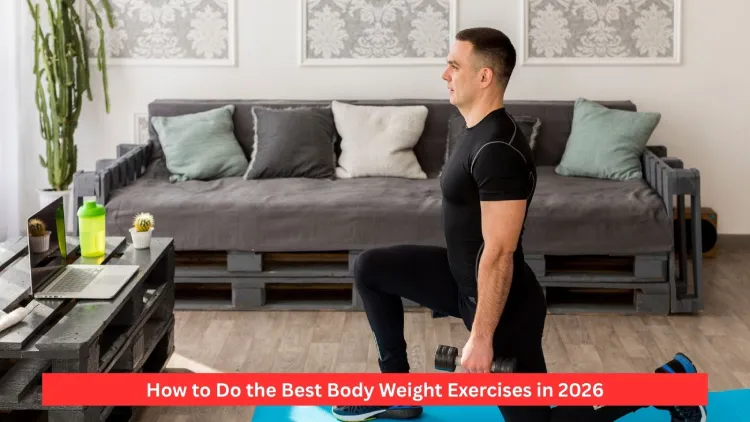

Body weight exercises regimens are some of the most basic and convenient fitness workouts without needing costly gym equipment. These exercises challenge the body for strength, endurance, flexibility, and overall fitness,s with the body being the focal point of the workout. They can be done at home, outside,e or in a spacious area. Body weight exercises will target a variety of muscles with a single exercise, helping to gain functional strength, balance, coordination, and posture.
The exercises for this series are a suitable mix of beginner and advanced levels for all fitness levels. In this guide, you’ll understand the advantages of body weight exercises and which muscle groups they work on, as well as what exercises you should incorporate into your workout program.
- What Are Body Weight Exercises?
- Why Body Weight Exercises Are So Effective
- Better Balance and Stability
- Major Muscle Groups Worked
- Why Body Weight Training Works
- Best Body Weight Exercises
- Body Weight Exercises for Beginners
- Intermediate Body Weight Exercise Progressions
- Advanced Body Weight Exercises
- Common Mistakes to Avoid
- Safety Tips for Body Weight Exercises
- Sample Full-Body Body Weight Workout
- Conclusion
- Frequently Asked Questions
What Are Body Weight Exercises?
Body weight exercises are any body movements that use only the body as the source of resistance instead of using dumbbells, barbells, kettlebells, or resistance machines. These are exercises to help develop control of the body as it moves, building strength, mobility, endurance, and coordination in the muscles.
As a beginner, you will need very little equipment, but bodyweight exercises can be difficult. Modifying body position, slowing the movement, increasing reps, or dropping to one-leg/one-arm versions of the movement will significantly increase the difficulty.
Bodyweight training is a popular workout choice used by a lot of professionals, military institutions, personal trainers,s and physiotherapists, products of which provide strength but are used to enhance the quality of movement.
Some of the more popular body weight exercises are:
These exercises can be sequenced into comprehensive workouts that provide a great strengthening effect on almost all of the major muscles.
Why Body Weight Exercises Are So Effective
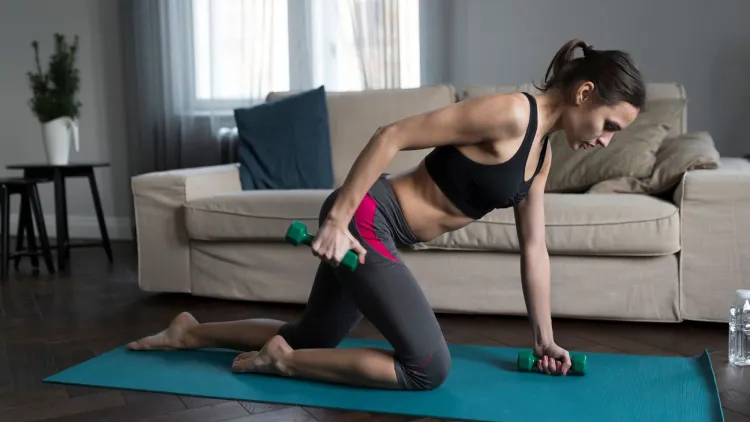
Building strength is assumed to be only possible with heavy weights. Bodyweight exercises, along with the benefits they offer, also offer a lot of physical benefits—many that promote overall fitness and efficient movements.
Functional Strength
Bodyweight exercises are also done in groups of muscles, unlike isolated machines, which only develop one muscle. It builds an enhancement in strength that will make a distinct contribution to general activities and sports.
Full-Body Muscle Activation
Burpees, mountain climbers,s and push-ups are all multi-joint exercises that will help develop coordination and muscular endurance.
Better Balance and Stability
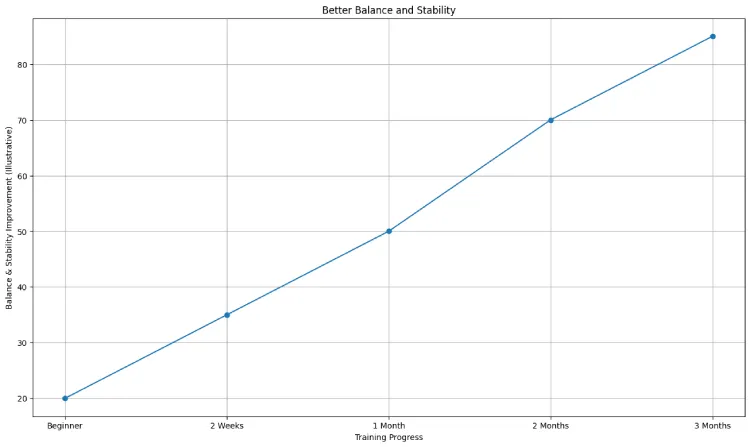
Many of the body weight exercises rely on the use of your own body to move, which consequently helps to build stabilizing muscle around your joints.
Improved Mobility
Deep squats, lunges,s and dynamic exercises enhance mobility and flexibility in joints.
Increased Core Strength
Core exercises work into nearly every body weight exercise, making core training part of almost all workouts.
Greater Exercise Accessibility
There are many benefits, including convenience. It’s possible to get in a great workout virtually anywhere if you don’t buy anything.
Better Balance and Stability
Numerous health and fitness advantages can be gained in the long term from body weight training. These are all natural resistance exercises and build strength, endurance, mobility, and physical performance without the use of gym equipment.
1. Builds Natural Strength
Body weight workouts are any type of exercise that involves the use of the body’s own weight to build muscle against gravity. Once your arms are stronger, you can try increasing the difficulty of the exercises, such as a declinepush-upp or pistol squat, to continue enhancing your body’s muscle and strength.
2. Improves Muscular Endurance
Repeating a body weight exercise will prevent your muscles from becoming tired. This aids in greater endurance and makes everyday activities and sports easier.
3. Enhances Balance
Single-leg squats, lunges, and bird dogs help develop balance through toning the muscles that balance the body. Additionally, if you improve coordination, the chance of a fall and injury to yourself is reduced.
4. Develops Better Posture
Several body weight exercises tone the back, shoulders, and core to help maintain good spinal position. Good posture relies on strong muscles in the back and neck, which can help eliminate neck and lower back pain.
5. Improves Joint Health
Maintaining control of weight movements will help to mobilize joints and enhance the strength of the muscles surrounding the knees, hips, shoulders, and ankles. This promotes healthy body movements and joint stability.
6. Supports Everyday Movement
Equivalent motions are used to mimic typical activities performed in daily life, including sitting, standing, lifting/loading, pushing, and climbing stairs. This enhances functional ability in daily living.
7. Requires Little Space
Most body weight exercises don’t require special equipment or a gym membership; they can be done in a small room or outdoor area.
8. Beginner Friendly
Most exercises do have a lower-level option, so there are near to every body weight exercise that is suitable for beginners. Once strength improves, you can work up to a higher level of difficulty.
9. Easy to Progress
To make body movements with body weight more challenging, you can:
- Increasing repetitions
- Adding extra sets
- Slowing the movement
- Workingwith aa single arm or leg can be attempted if the classic is not.
Having explosive movements such as jump squats
10. Saves Money
Because these exercises are done with just the body’s own resistance, preparing these exercises is one of the least costly methods to maintain fitness and strength.
Major Muscle Groups Worked
There is a big plus to using body weight movements, as they work several muscles at once, thereby ensuring well-rounded strength of the body.
Chest
Push-ups, wide push-ups, and dips work the chest muscles and enhance upper body pushing strength.
Shoulders
Activities such as pike push-ups, shoulder taps, and handstands work on enhancing shoulder strength, stability, and mobility.
Arms
Push-ups and dips help to work on the triceps; pull-ups and chin-ups build biceps and forearms.
Core
Nearly all core exercises are bodyweight exercises. Key muscles include:
Rectus abdominis
Obliques
Transverse abdominis
Lower back muscles
Balance, posture and stability are enhanced with a strong core.
Back
Superman holds, pull-ups and bird dogs boost upper and lower back, which aids posture.
Glutes
Squats, lunges, glute bridges, and step-ups work the glutes to build hip power, stability and strength.
Quadriceps
Lunges, wall sits, and bodyweight squats build up the quadriceps, muscles that are crucial to the ability to walk, run, and jump!
Hamstrings
Glute bridges, reverse lunges,s and single-leg exercises are movements that work the hamstrings and strengthen both legs and knees.
Calves
Calf raises, jump squats, and high knees work the calf muscles, enhancing lower leg strength and stamina in the ankles.
Why Body Weight Training Works
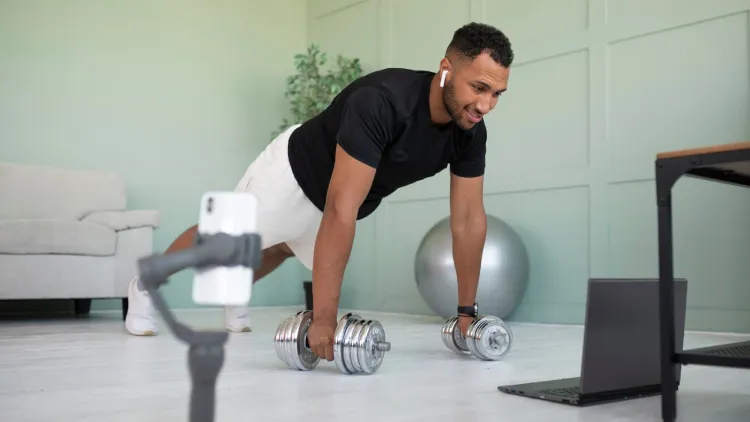
Body weight exercises are more about executing quality movement, whether or not you’re carrying heavy objects. The better your technique, the stronger your muscles are, the more efficient your nervous system is, and the better your balance becomes.
Progressive Overload is another benefit.
You can also continuously push your body to the limit without weights by:
- Increasing repetitions
- Reducing rest periods
- Performing slower repetitions
- Trying more difficult exercise variations
- Increasing workout frequency
- Increasing ROM.Improving range of motion.
This means that in this way, you can build strength without the need to use any equipment in the gym.
Best Body Weight Exercises
1. Push-Up
The push-up is a great upper body weight exercise. Develops chest, shoulder, triceps, and core strength and endurance,e along with upper body strength and endurance. It can be performed at an intermediate level as well as advanced fitness levels due to its numerous variations.
Muscles Worked
- Chest (Pectorals)
- Triceps
- Shoulders
- Core
How to Perform
- Start in a high plank stance.
- Have hands just over shoulder distance.
- Make your core strong and your body straight.
- Lower your torso as far down as it will go against the floor.
- Thrust back until arms are straight.
- Perform this number of times as per the number of repetitions required.
Benefits
- Builds upper-body strength
- Improves shoulder stability
- Strengthens the core
- Enhances muscular endurance
Common Mistakes
- Letting hips sag
- Flaring elbows excessively
- A lack of full range of motion.
- They’re trying to raise their hips too high,
2. Bodyweight Squat
The bodyweight squat is a core lower body movement that compels the legs to become stronger, while enhancing balance, flexibility, and mobility. It also contributes to developing functional strength that is utilized in daily activities.
Muscles Worked
- Quadriceps
- Glutes
- Hamstrings
- Core
- Calves
How to Perform
- Keep feet shoulder-width apart.
- Chest/chin lifted.
- Push your butt back.
- Keeping knees bent, lower into the body.
- Squeeze thighs down to nearly parallel to the floor.
- Push hips back as if to a stance again.
Benefits
- Strengthens the legs
- Builds glute muscles
- Improves hip mobility
- Enhances balance
- Supports everyday movement
Common Mistakes
- Knees collapsing inward
- Rounded back
- Lifting the heels
- Shallow squat depth
3. Forward Lunge
Forward lunge helps build lower body strength, balance,e and coordination,n working one leg at a time. It helps to strengthen tired muscles and rectify muscle imbalances well.
Muscles Worked
- Quadriceps
- Glutes
- Hamstrings
- Calves
- Core
How to Perform
- Stand in an upright (erect), single-file standing posture with feet next to each other.
- Take a step forward with one foot.
- Bring both knees down to approximately a 90° angle.
- Your front knee should come over your toes.
- Step back through the front heel.
- Repeat on the other leg.
Benefits
- Improves single-leg strength
- Improves balance and co-ordination
- Builds lower-body stability
- Tightens the buttocks and hips.
Common Mistakes
- Leaning forward
- Having the knees pushed too far forward in front of the body.
- Attempting to leap too short of a stride to safety
- Losing balance
4. Reverse Lunge
Improve hip stability, balance, and tone the lower body with the reverse lunge, which is great for active knees. Comparable to a forward lunge but takes less stress off the knees.
Muscles Worked
- Quadriceps
- Glutes
- Hamstrings
- Calves
- Core
How to Perform
- Make sure both feet are a hip-width apart.
- Take a step back with one foot.
- Bring knees down until they are at 90 degrees at the knees.
- Maintain posture of the torso with the same attitude.
- Push back through the heel of the front foot to return.
- Alternate legs.
Benefits
- Improves lower-body strength
- Reduces knee stress
- Enhances balance
- Strengthens hip stability
Common Mistakes
- Leaning forward
- Taking short steps
- Losing balance
- Lifting the heel and pushing the front toes of the shoe off the ground.
5. Plank
One of the greatest bodyweight movements to build abs and core strength is the plank! It also helps to build up the shoulders to strengthen their girdles and give them better posture.
Muscles Worked
- Rectus abdominis
- Transverse abdominis
- Obliques
- Lower back
- Shoulders
- Glutes
How to Perform
- Rest forearms on the ground.
- Stretch legs straight behind.
- Have toes pointing straight ahead; line up with knees & hips.
- Tighten your core.
- Maintain the position with regular breathing.
Benefits
- Builds core endurance
- Improves posture
- Supports spinal stability
- Strengthens the shoulders
Common Mistakes
- Dropping the hips
- Straightening the spine too far backward.
- Holding your breath
- An eyesight problem of looking up rather than forward.
6. Side Plank
While the side plank builds core stability, tones shoulder muscles, and develops balance and core strength, the obliques will also be strengthened.
Muscles Worked
- Obliques
- Core
- Glutes
- Shoulders
- Lower back
How to Perform
- Lie on one side.
- Wrap forearm under shoulder.
- Place feet together.
- Raise hips so hips, belly, and torso are in a straight line.
- Hold and repeat on the other side.
Benefits
- Strengthens the obliques
- Improves balance
- Supports spinal alignment
- Builds shoulder stability
Common Mistakes
- Allowing the hips to drop
- Rotating the shoulders
- Poor neck position
7. Glute Bridge
The glute bridge enriches the gluteal muscles and the hamstrings and also enhances hip mobility and support for the lower back. This is particularly beneficial for individuals who sit for extended periods of time.
Muscles Worked
- Glutes
- Hamstrings
- Lower back
- Core
How to Perform
- While lying on your back with your knees bent.
- Set your feet flat on the ground.
- Tighten your core.
- Tilt your pelvis up.
- Squeeze your glutes.
- Lower slowly.
Benefits
- Builds glute strength
- Improves hip mobility
- It is used to support the bottom of the backbone.
- Enhances pelvic stability
Common Mistakes
- Covering the abdomen and legs.Enveloped around the lower back.
- Elastin fibres through the toes;
- Rushing the movement
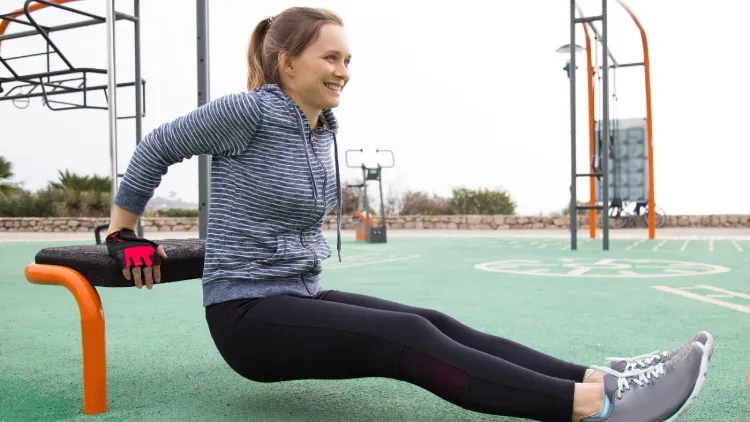
Body Weight Exercises for Beginners
When you first begin using the exercise machine, be sure to take it easy to make sure you get the form right before taking it to the limit. Work on repetitions, not speed.
A first-time builder workout can consist of:
- Bodyweight Squats – 10–15 reps
- Inclines or Knee Push-Ups – 8-12 repetitions
- Glute Bridges – 12–15 reps
- Forward Lunges – 8-10 reps each leg
- Plank – 20–30 seconds
Carry out the workout 2-3 times weekly, giving 1 day of rest between workouts.
Intermediate Body Weight Exercise Progressions
Google Earth for Kids is a simple enough basis, but with more complex variations after you master it.
Examples include:
- Decline Push-Ups
- Bulgarian Split Squats
- Single-Leg Glute Bridges
- Down Side Plank and Up Leg Lift
- Jump Squats
- Pike Push-Ups
- Walking Lunges
- Burpees
The movements build up strength, balance, and stamina in the muscles, while providing additional coordination challenges.
Advanced Body Weight Exercises
High-skill movements incorporating more strength and control can be introduced for the advanced athlete to continue developing.
Examples include:
- Handstand Push-Ups
- Archer Push-Ups
- Pistol Squats
- Clap Push-Ups
- One-Arm Push-Up Progressions
- Shrimp Squats
- L-Sit Hold
- Handstand Holds
- Explosive Burpees
Practise basic skills first, then try the more difficult moves.
Common Mistakes to Avoid
There are some common mistakes to avoid to maximise results and minimise risk of injury.
Skipping Warm-Up
Start each session with a 5 – 10 minute warm up of light transfer and dynamic stretching to prepare the muscles and joints.
Poor Technique
More relevant than doing extra reps is having the correct form of the exercise. Emphasize quantity rather than quality.
Holding Your Breath
Keep hands off while performing the exercises and maintain a steady breath throughout.
Training Too Fast
There is a greater degree of muscle activation with slower, controlled repetitions, and they are safer from an injury perspective.
Ignoring Recovery
Proper muscle recovery and adaptation time is crucial. Transitions are important for you to experience each week.
Not Progressing
Progress the exercise level by adding reps, sets, or harder variations of the exercise as appropriate, as the exercises become easier.
Safety Tips for Body Weight Exercises
General rules for safe & effective training:
- Preheat before each exercise session.
- Master the form of exercise.
- Use controlled movements.
- Keep byour ack straight during exercises.
- Use supporting shoes if necessary.
- Drink plenty of fluids during exercise.
- If you feel sharp pain, stop immediately.
- Use light stretching to cool down after training.
Sample Full-Body Body Weight Workout
Try this simple routine to target your entire body:
| Exercise | Reps/Time |
| Push-Ups | 10–15 reps |
| Bodyweight Squats | 15–20 reps |
| Forward Lunges | 10 reps per leg |
| Glute Bridges | 15 reps |
| Plank | 30–45 seconds |
| Mountain Climbers | 30 seconds |
| Superman | 12–15 reps |
| Bicycle Crunches | 20 reps |
| Burpees | 8–10 reps |
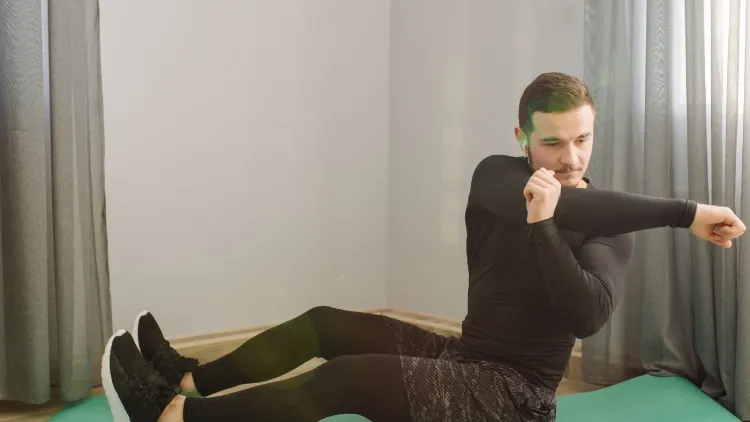
Repeat 2-4 times, allowing 60-90 seconds of rest in between. Train at a pace that is appropriate for you – modify the sets/reps or rest time.
Conclusion
Bodyweight exercises are a very convenient and efficient way of gaining strength, increasing endurance, creating mobility,y and increasing a person’s overall fitness, without the use of any weights or other equipment available in the gym. Bodyweight training is useful for a thrilling range of exercises from the basic push-up and squat to more sophisticated pistol squat and handstand push-ups, providing lots of different ways to test and evaluate yourself.
Consistency is key to success. Strive to develop good technique, gradually intensify exercise, and be sure to rest. Try to throw in a few body weight exercises whenever you can: They’re adaptable, accessible, and incredibly effective, and can yield long-term benefits even if you’re just beginning your fitness journey or you want to continue your current routine.
Frequently Asked Questions
1. Areresistance/bodyy weight exercises good for beginning fitness enthusiasts?
Absolutely. Many of the body weight exercises have easy mods that everyone can do (even beginners).
2. How many times a week do you need to do body weight workouts?
The goal of participants and level of recovery determine the frequency, with most people doing 2-4 sessions each week.
3. Do I require any apparatus to work?
No. Most of the exercises in this bodyweight training program only require bodyweight w, which is great, although there are some optional items available for variety and comfort such as a pull-up bar and exercise mat.
4. Is it possible to gain muscle by doing bodyweight exercises?
Yes. With other exercises, regular, progressive, intense, and sustained resistance training can help to develop lean muscle and enable lean muscle to withstand/endure the resistance.