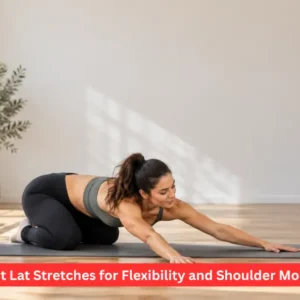
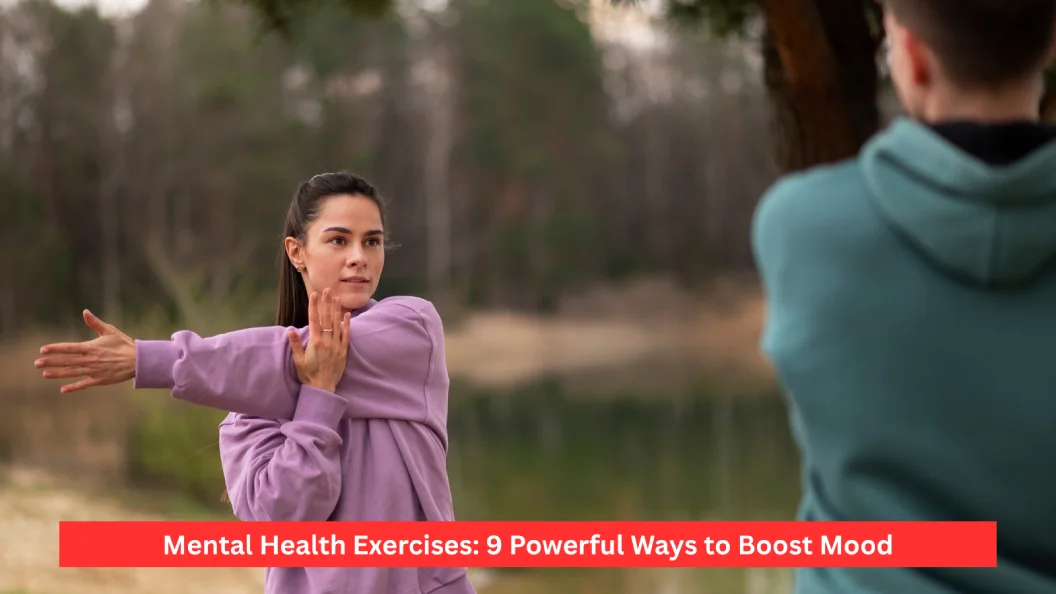

Mental health exercises are basic exercises that can be used to help one’s feelings, minimize stress, boost concentration, and manage challenging feelings. Walking, deep breathing, mindfulness, meditation, stretching, journaling, grounding, relaxation techniques, and many more are some of the best exercises for mental health. There are numerous mental health exercises that do not require any equipment or support and can be performed at home! Focusing on a healthy lifestyle approach that incorporates physical activity, sleep, food, social interaction, relaxation, and professional help if it’s needed can contribute to mental wellness.
- What is a Mental Health Exercise?
- What Are the Best Mental Health Exercises?
- What Mental Health Exercises Can I Do at Home?
- Which Mental Health Exercises Work Best for Stress?
- What Are Mental Health Exercises for Anxiety?
- What Are Mental Health Exercises for Depression?
- What are Mental Health Exercises for Students?
- What Are Mental Health Exercises for the Workplace?
- Can Exercise Improve Mental Health?
- How Many Mental Health Exercises Should You Do?
- How Often Should You Do Mental Health Exercises?
- A simple 10-minute mental health exercise routine.
- Mental Health Exercises vs. Physical Exercise
- Can Mental Health Exercises Replace Therapy?
- How Can I Build a Mental Health Exercise Habit?
- What should I do if the exercises for mental health do not help?
- Conclusion
- Frequently Asked Questions
What is a Mental Health Exercise?
Mental health exercises are activities that help you to control your thoughts and feelings, your stress, and your daily challenges. These may affect the mind, body, or both.
These activities are not just about physical fitness, as is typically the case in traditional workouts, but are more about relaxation, emotional awareness, concentration, and healthy coping skills.
Common examples include:
- Deep breathing
- Mindfulness
- Meditation
- Journaling
- Walking
- Gentle stretching
- Muscle relaxation
- Grounding techniques
- Gratitude
- Positive self-reflection
- Being with positive people
Not all the exercises for mental health are challenging. It is better to repeat a simple activity regularly rather than perform a complex sequence that requires too much time and effort to do.
Mental wellness also includes getting the right amount of sleep, having healthy relationships, eating well, finding a purpose, maintaining a healthy work/life balance, and seeking support when needed.
What Are the Best Mental Health Exercises?
Not every activity is suitable for all. Exercises for mental health can be different for several people depending on their lifestyle, preferences, and needs.
1. Deep Breathing Exercise
One of the simplest good mental health exercises you can engage in is deep breathing, which you can do almost anywhere.
Sit comfortably, relax your shoulders, and take a slow, deep breath in and out through your nose. Relax your abdomen, stretching out as you exhale slowly. Repeat 5 times for a few comfortable breaths.
It’s not to make you breathe. Rather, take advantage of it as a brief moment of focus to return to the here and now.
2. Mindfulness Exercise
The word mindfulness refers to the act of being aware of what is happening in the here and now, rather than getting caught up in thoughts of past or future experiences.
Notice the things you can see, hear, feel, smell, and taste. If you are distracted, gently return your attention.
Mindfulness can be a daily, practical exercise that takes as little as a few minutes.
3. Walking for Mental Well-Being
Walking is one of the most accessible mental health exercises, as it’s a combination of a change of environment and exercise.
A break from work, screens, and repetitive thinking can be achieved with a short stroll. It can be more conscious by focusing on your body movements, your breath, your surroundings, and your footsteps.
You don’t have to have a super intense exercise program to incorporate walking into your workout.
4. Journaling
Journaling can help individuals who like to write to gain insight into their thoughts.
Attempt to respond to some simple questions:
- How am I feeling today?
- What is the source of stress?
- What went well?
- What can I control?
- Where to proceed from here?
It’s not necessary to write multiple pages. A few sentences will help you organize your thoughts.
5. Progressive Muscle Relaxation
Progressive relaxation is a technique that is based on progressively tensing and relaxing muscle groups.
For instance, tighten your shoulders for a few seconds, and then relax your shoulders. Be aware of tension and relaxation before transitioning to another space.
This technique may be particularly helpful for a peaceful evening routine.
6. Grounding Exercises
When you’re feeling overwhelmed, grounding exercises are a great way to shift focus to the here and now.
This is a popular method called 5-4-3-2-1:
- What are 5 things you can see?
- Write 4 words that describe things that can be felt.
- List 3 sounds you can hear.
- Say 2 words that have a smell.
- Name 1 thing that can be tasted.
It provides a goal for your mind and awareness of the environment.
7. Gratitude Exercise
A gratitude exercise is a conscious attempt to focus on items you are grateful for.
Finally, jot down 3 things that went well. These can be very basic: a good chat, task completion, shared food, and time outdoors.
Gratitude is not a way to turn a blind eye to issues. It just provides attention to good things in addition to bad things.
8. Gentle Stretching
But gentle stretching can be a way of moving and relaxing.
Take gentle stretches for your neck, shoulders, back, hips, and legs. Move slowly, but don’t overstretch.
Stretching and slow breathing can be used together to make a brief relaxation exercise during the day.
9. Meditation
Meditation is a deliberate focusing of mental attention.
If you’re a beginner, take a few minutes to sit in a comfortable position and concentrate on your breathing. As thoughts come into your mind, observe them, neither judging nor condemning yourself, and bring your mind back to the present moment.
Meditation is not the process of emptying the mind. It’s about being aware.
What Mental Health Exercises Can I Do at Home?
There are lots of mental health exercises that do not involve any special equipment and may be carried out at home.
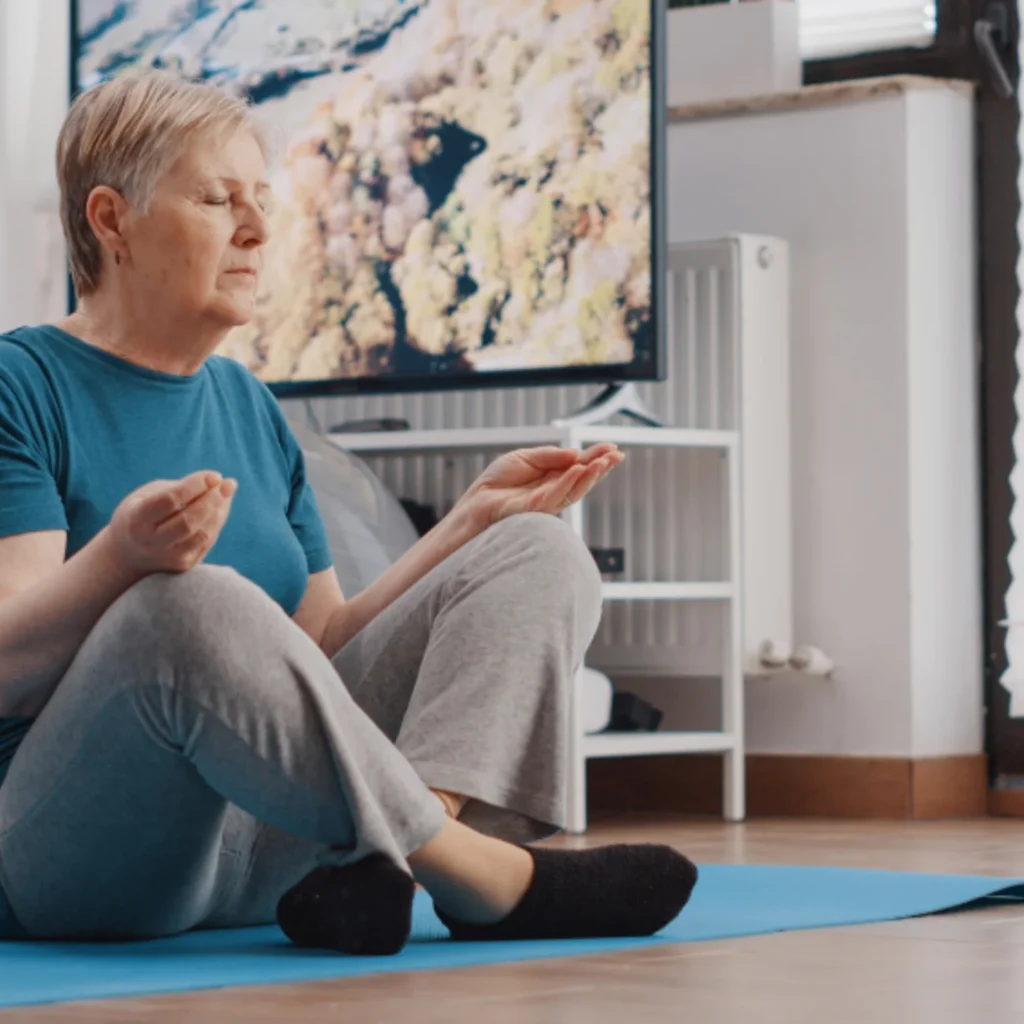
It could be as simple as 5 minutes of breathing exercise in the morning, some gentle stretching in the afternoon, and journaling before bed.
Sit with your eyes closed, practise grounding, read, listen to peaceful music, give yourself some gratitude, or go for a walk outdoors.
Begin with a short session and don’t make it seem too difficult. It takes 5 or 10 minutes to make a habit.
Which Mental Health Exercises Work Best for Stress?
Breathing, walking, mindfulness, stretching, journaling, and muscle relaxation are some of the most practical exercises to practice during stressful times for mental health.
If your stress level increases, follow this basic sequence:
- Stop and take a break.
- Relax your body by taking a few deep breaths.
- Relax your shoulders and jaw.
- Notice your surroundings.
- Determine the most urgent issue(s) first.
- Do one small step.
Stress is normal; it happens if you are in a stressful situation. If the stress has been continuing for a while or is severe, it must not be ignored.
What Are Mental Health Exercises for Anxiety?
Slow breathing, grounding, mindfulness, walking, and relaxation are all mental health exercises to help with anxiety.
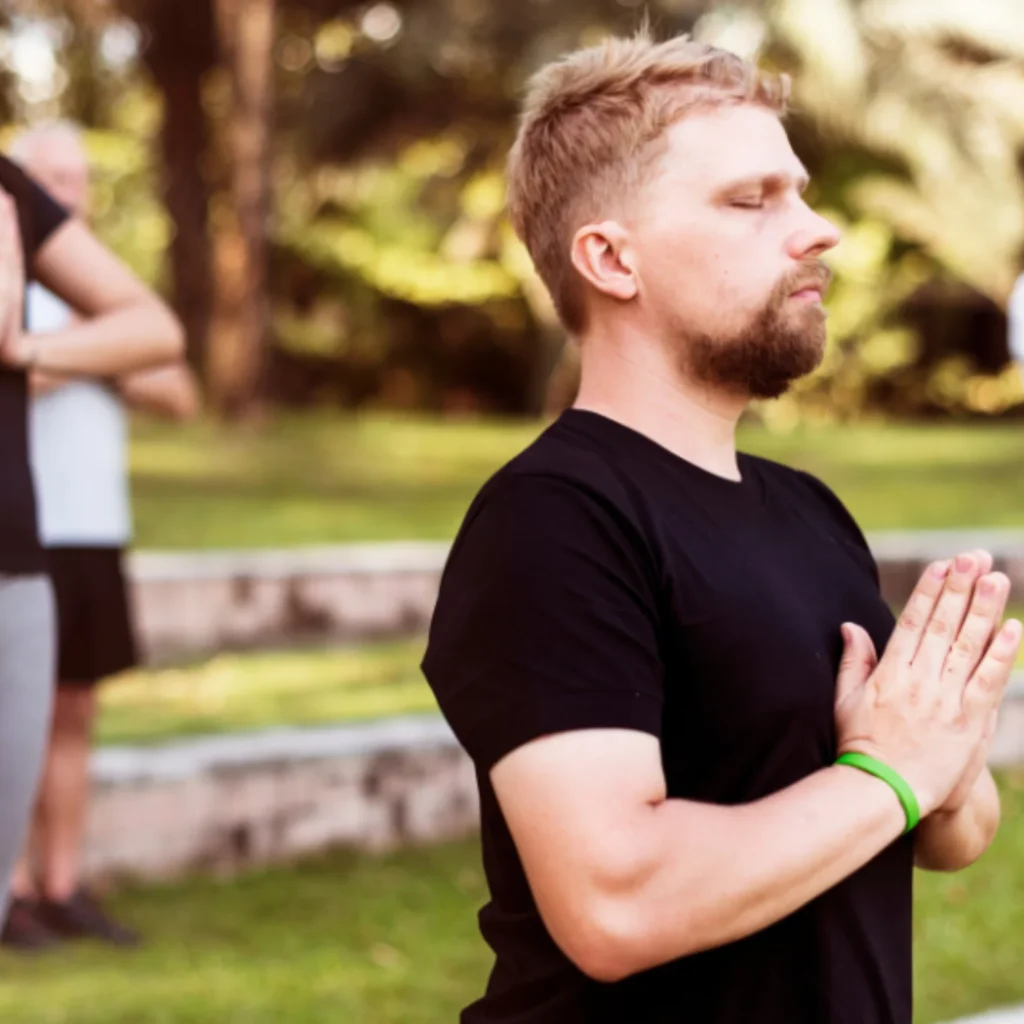
If worried thoughts continue to recur, focus on a particular aspect in the here and now. Pay attention to your feet on the ground, describe what you see, or concentrate on breathing.
Another approach to grounding is the 3-3-3. A standard one is to name three objects, hear three sounds, and move three parts of your body. This can be done in many ways, but the idea is to distract from racing thoughts.
These are some strategies that might help you calm down when you’re feeling anxious regularly, but if anxiety is constant or overwhelming, you need professional assistance.
What Are Mental Health Exercises for Depression?
Activities for adults with low mood that can help improve their mental health include walking, light exercise, mindfulness, journaling, social interactivity and following basic routines.
When motivation is low, make the goal very small. Don’t plan a long workout, but take a short walk. Rather than pages, write one sentence about your feelings.
The signs of depression may be either a constant sadness or a lack of interest, along with decreased energy, loss of hope, or changes in sleep and appetite. Self-care may be helpful, and depression may need professional evaluation and care.
What are Mental Health Exercises for Students?
Short mental health exercises are provided between study sessions for students to use.
Useful options include:
- Slow breathing for 2 minutes.
- A short walk
- Desk stretching
- Mindfulness
- Journaling
- Screen breaks
- Talking with someone you can trust
In addition, students should work towards supporting their mental well-being by following a regular sleep schedule, consuming well-balanced meals, taking breaks, and organizing their study plans.
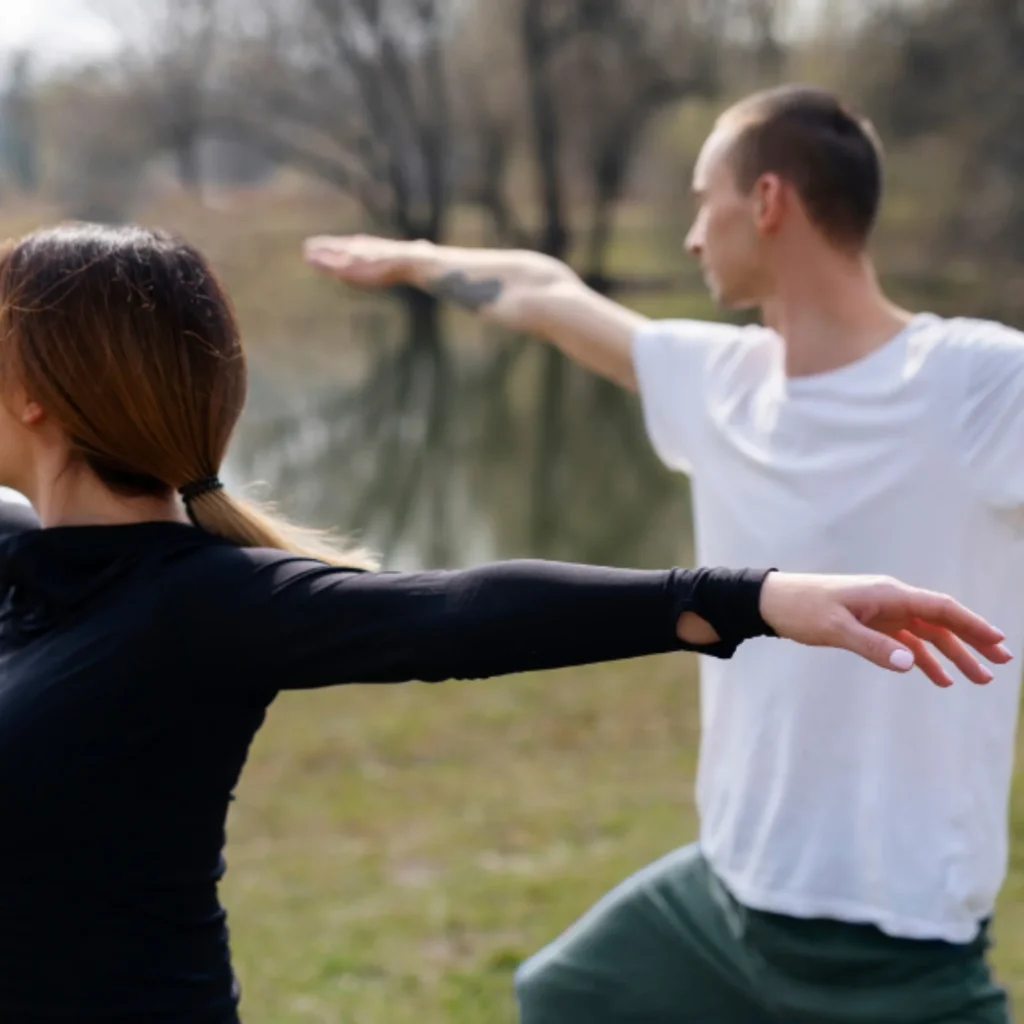
What Are Mental Health Exercises for the Workplace?
Work might include time limits, conferences, extended screen time, or tough duties.
Start with simple, easy-to-follow mental health at work exercises, such as exercising your body by taking a brief stroll, stretching, taking a slow breath before a meeting, taking off your screen, or writing out your top priorities.
Taking a break may help you get your head around your next task.
Can Exercise Improve Mental Health?
Yes. Exercising regularly can provide mental health benefits, and some benefits in managing mood, stress, sleep and overall health.
You can walk, cycle, swim, dance, play sports, stretch and strength train.
It’s not about doing a lot of strenuous exercise. Beginning with a gentle progression of activity may be useful if you are inactive.
Mindfulness can also be combined with physical activity. Listen to your breathing, your feet, and your surroundings, for instance, during a walk.
How Many Mental Health Exercises Should You Do?
There is no definite time you have to spend.
Some activities only require a few minutes; others will be 10-30 minutes of walking, meditation, or journaling.
For those new to the hobby, 5-10 minutes is a good starting point. If it is comfortable and useful, increase the length of the duration.
The idea is to create a routine that will fit your life, not take up as much time as you can.
How Often Should You Do Mental Health Exercises?
Many activities can be practiced daily, while others may work better several times a week.
| Exercise | Possible Routine |
| Deep breathing | A few minutes daily |
| Mindfulness | 5–10 minutes daily |
| Walking | Most days when practical |
| Journaling | Several times weekly |
| Stretching | Daily or several times weekly |
| Meditation | Several times weekly |
| Gratitude | Daily or several times weekly |
There is no requirement to follow this schedule exactly. Choose activities that you can realistically maintain.
A simple 10-minute mental health exercise routine.
For those who are not familiar with the mental health exercises, here is a simple one to get you started.
Minute 1–2: Slow Breathing
Relax, breathe slowly and deeply.
Minute 3–4: Mindfulness
Notice sounds, sensations, and what is happening around you.
Minute 5–6: Gentle Movement
Relax the shoulders, the neck, back, and legs in a comfortable position.
Minute 7–8: Reflection
Reflect on your feelings. It’s not necessary to change the feeling right away. Simply recognize it.
This is an opportunity for students to plan one action they will take to make it a better world.
Select one realistic task to undertake next.
This quick workout is a series of the healthiest exercises without equipment.
Mental Health Exercises vs. Physical Exercise
Mental and physical exercises are different, but they can overlap.
| Mental Health Exercises | Physical Exercise |
| Breathing | Walking |
| Mindfulness | Running |
| Meditation | Strength training |
| Journaling | Cycling |
| Grounding | Sports |
| Relaxation | Resistance training |
Walking and other physical activities can fit into both categories because movement may support physical fitness while also supporting mental well-being.
Can Mental Health Exercises Replace Therapy?
No. Mental health exercises can contribute to a healthy lifestyle, but should not be used as a substitute for professional mental health treatment when treatment is needed.
Treatment of mental illness may vary depending upon the condition, symptoms, severity, and individual circumstances. Treatment can involve psychotherapy and/or medications, or a combination of both.
An appropriate mental health practitioner can provide assistance in deciding on the kind of assistance required.
How Can I Build a Mental Health Exercise Habit?
Keep the initial activity as small and easily repeatable as possible.
Don’t resolve to meditate 30 minutes daily; start with five minutes after breakfast.
A procedure that is easy to do is:
- Choose one activity.
- Choose a designated time.
- Be brief during the first session.
- Link it to an existing behavior.
- Track your progress.
- Adjust when necessary.
Other positive lifestyle factors include adequate sleep, a nutritious diet, socialization, time outdoors, breaks, less time spent on screens, and hobbies.
You don’t have to create a lot of habits all at once. Work on one or two realistic changes.
What should I do if the exercises for mental health do not help?
If it doesn’t work for one exercise, try another. Others like a walk, while some find mindfulness, journaling, or breathing exercises helpful. Taking care of the body through exercise, proper sleep, eating right, and staying connected with others can help maintain mental health, but it is not adequate to the place of health care when it is required.
If you are feeling persistent sadness, extreme anxiety, hopelessness, or unable to cope with your everyday life, it may be worthwhile to seek professional mental health advice. Seek urgent help if you feel you need it or you are considering harming yourself.
Conclusion
Mental health exercises can be as simple as part of our daily routine. Eating and drinking, practicing mindfulness, walking, stretching, journaling, and relaxation can help to create a healthier routine.
The most effective mental health exercises are the ones that can be done on a regular basis. Build healthy habits by taking a first step with one simple activity and adding habits from the areas of sleep, nutrition, movement, relationships, and stress management.
Frequently Asked Questions
What are the best mental health exercises?
Walking, breathing, mindfulness, meditation, journaling, stretching, etc. can be helpful.
Can mental health exercises help with anxiety?
Certainly, breathing, grounding, and mindfulness can assist with daily anxiety and stress.
How often should I do mental health exercises?
These can be done every day or a few times per week as needed.
Can mental health exercises replace therapy?
No. Can be used to promote well-being, but should not be used for clinical purposes.