
Back workouts are extremely important for building upper body strength, improving posture, and supporting day-to-day activities. The posterior side has several large muscles (the erector spinae, back deltoids, rhomboids, and lats) that collectively function during pulling and rowing exercises. In this guide,e you’ll learn about the best exercises you can do for the back as well as how to do them properly, along with the muscles they work and the benefits they offer.
- Back Muscle Anatomy
- Benefits of Back Workouts
- Best Back Workout Exercises
- 1. Pull-Up
- 2. Chin-Up
- 3. Bent-Over Barbell Row
- 4. Dumbbell Row
- 5. Seated Cable Row
- 6. Lat Pulldown
- 7. T-Bar Row
- 8. Chest-Supported Row
- Sample Beginner Back Workout
- Intermediate Back Workout
- Advanced Back Workout
- Common Mistakes During Back Workouts
- Tips for Better Back Workouts
- Conclusion
- Frequently Asked Questions
Back Muscle Anatomy
It’s beneficial to know the principal muscles in the back before beginning back exercises.
Latissimus Dorsi (Lats)
The widest ones in the back, which develop the wide V shape.
Trapezius (Traps)
The traps are located from the neck back to the middle back and help to stabilize the shoulder and help with pull-ups.
Rhomboids
Present between the shoulder blades, they enhance posture and shoulder security.
Erector Spinae
These are the muscles located on either side of the spine that help to support the back when lifting.
Rear Deltoids
They are actually shoulder muscles, but are used a lot in several pulling movements.
Benefits of Back Workouts
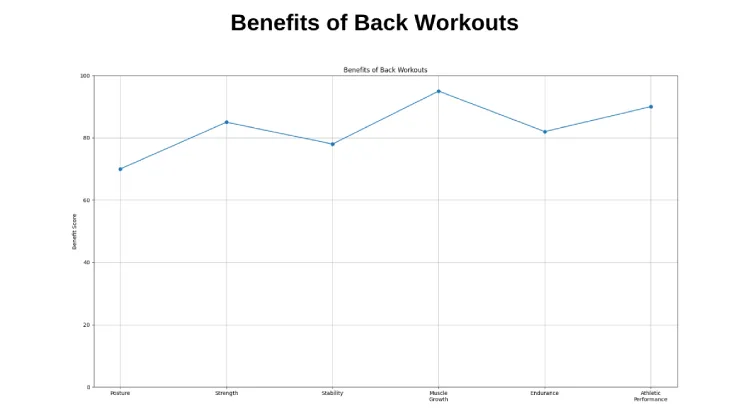
In addition to promoting muscle development, regular back exercises offer a variety of other benefits.
- Improve posture
- Increase pulling strength
- Enhance athletic performance
- Support spinal health
- Allegra Puts: Less Back Pain.
- Improve shoulder stability
- Get Huge Augments and tone up the upper body by making it wide.
- Improve grip strength
- Increase functional fitness
- Balance chest training
Best Back Workout Exercises
Some of the exercises that make up a full back workout involve vertical pulls, horizontal rows, and lower back exercises. This is a good balance that will help develop back width, thickness, strength, and stability without the danger of muscle imbalances. The following exercises are some of the best and most popular back workouts, along with instructions, the muscles worked, benefits, and common mistakes.
1. Pull-Up
Pull-up is one of the greatest bodyweight exercises for developing a broad muscular back. It works mainly the lats with a strengthening effect for the upper back, shoulders, and arms. While difficult, especially for beginners, regular practice can make a great deal of difference in the strength of the upper body.
Muscles Worked
- Latissimus dorsi (lats)
- Rhomboids
- Trapezius
- Rear deltoids
- Biceps
- Forearms
How to Perform
- Take a shoulder-width overhand grip to the pull-up bar.
- Use full arm extension and engage abs.
- Drive the chest down to the bar with the elbows.
- Keep the exercise going until the chin goes over the bar.
- Slowly move down until arms are straight.
- Repeat this exercise for our # of sets and reps.
Benefits
- Garments upper back width.
- Increases bodyweight strength.
- Improves grip endurance.
- Develops shoulder stability.
- Improves overall pulling ability.
Common Mistakes
- The initial movement of the body setting up for momentum.
- Doing only half the amount of reps.
- Crossing arms at the end of the pull.
- Looking upward excessively.
- Lowering too quickly.

2. Chin-Up
The underhand-grip chin-up allows for more biceps engagement than the pull-up and is a variation of thepull-upp. For beginners, it is easier to do chin-ups since the arms are in a better pulling position.
Muscles Worked
How to Perform
- Grab the pull-up bar with an underhand grip slightly under shoulder width.
- Keep your arms straight when hanging.
- Squeeze up until your chin is above the bar.
- Hold briefly at the top.
- Slowly lower back to the starting position.
Benefits
- Less difficult than pull-ups.
- Builds upper-body strength.
- Improves arm development.
- Improves back power by using all the ranges of motion.
- Enhances grip strength.
Common Mistakes
- Using momentum.
- Failure to fully extend arms.
- Leaning excessively backward.
- Hurrying the lowering of the body.
3. Bent-Over Barbell Row
The bent-over barbell row is a classic compound lift that has multiple purposes, including increasing overall back thickness and strength. It’s one of the best exercises to improve pulling power, as multiple muscle groups are being utilized.
Muscles Worked
How to Perform
- Hold a barbell using an overhand grip.
- Keep feet shoulder-width apart.
- With your back flat, bend forward about 45 degrees.
- Draw in the barbell towards your lower ribs or tummy.
- Squeeze your shoulder blades together.
- Do this slowly to lower the weight again and repeat.
Benefits
- Adds back thickness.
- Demonstrates good pulling power.
- Helps to tone the bottom of the spine.
- Improves posture.
- Involves several groups of muscles at once.
Common Mistakes
- Curving the spine at the back at the level of the hips.
- Jerking the weight.
- Standing too upright.
- Using excessive momentum.
4. Dumbbell Row
The dumbbell row, single arm is great for correcting muscular imbalances since you can isolate each arm. It also provides more flexibility than a lot of the barbell movements.
Muscles Worked
- Lats
- Rhomboids
- Rear deltoids
- Traps
- Biceps
How to Perform
- Step one knee and one hand on a bench.
- Grasp a dumbbell with your free hand.
- Buttocks must be flat and firm.
- Draw your dumbbell toward your hip.
- Grab the top shoulder blade.
- Control and repeat—under.
Benefits
- Corrects strength imbalances.
- Increases back thickness.
- Improves stability.
- Builds unilateral strength.
- Allows a deep stretch of the lats.
Common Mistakes
- Rotating the torso.
- Pulling towards the chest rather than towards the hip.
- Swinging the dumbbell.
- Using excessive weight.
5. Seated Cable Row
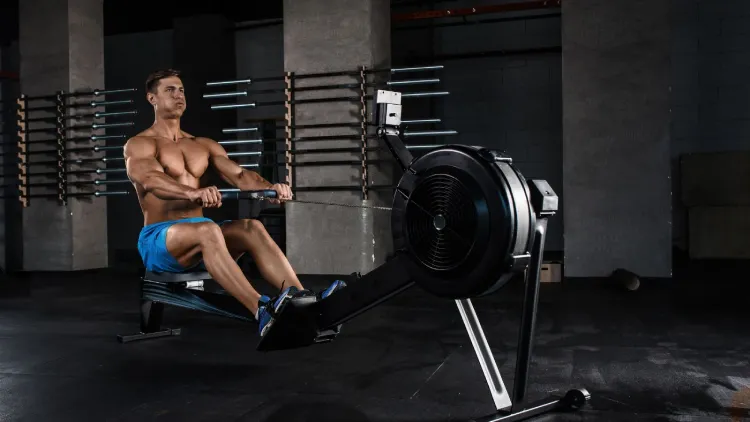
The round-lunged Cable row is also a great cable row exercise to maintain constant tension on the muscle throughout the entire time, and is also one of the best ways to increase muscle contraction and back thickness.
Muscles Worked
- Middle back
- Rhomboids
- Trapezius
- Lats
- Rear deltoids
- Biceps
How to Perform
- Sit properly on the machine.
- Make sure your feet are firmly placed on the level.
- Take both ends with both hands.
- Pull the handle towards the waist.
- Tighten your shoulder blades.
- Gradually return to the starting position.
Benefits
- Constant muscle tension.
- Excellent for beginners.
- Improves posture.
- Helps to develop upper back and upper trunk.
- Strengthens supporting muscles.
Common Mistakes
- Backing up while digging.
- Instead of using the arms, trying to pull by the back.
- Allowing the shoulders to round.
- Rushing each repetition.
6. Lat Pulldown
One alternative to the pull-up, and one that can be performed by all levels of fitness, is the Lat Pulldown. Provides some resistance while maintaining good lat activation.
Muscles Worked
- Lats
- Biceps
- Rear shoulders
- Rhomboids
- Traps
How to Perform
- Your best option and workout position is to sit on the machine and lock your thighs in place.
- Hold a bar with a wide overhand grasp.
- Bring the bar towards your upper chest.
- Hold at the end of the squeezing motion for a couple of seconds.
- Raise your arm slowly back to normal range of motion.
Benefits
- Excellent pull-up alternative.
- Builds wider lats.
- Improves pulling strength.
- Suitable for beginners.
- Easy to progressively overload.
Common Mistakes
- Drawing the bar back over the head.
- Leaning excessively backward.
- Using momentum.
- Limiting the movement within the range of motion.
7. T-Bar Row
T-bar row is a big rowing exercise that emphasizes total back mass and thickness. It is a rowing exercise that comes with a higher weight-lifting capacity than many of the other rowing exercises.
Muscles Worked
How to Perform
- Stand behind the T-bar platform.
- Hinge at the hips, maintaining a flat back.
- Hold the handles tightly.
- Pull towards chest.
- Lower slowly, being careful not to overbalance.
Benefits
- Develops good back thickness.
- Allows heavy loading.
- Improves pulling strength.
- Develops upper-back muscles.
- Enhances muscle growth.
Common Mistakes
- Rounding the back.
- Bouncing the weight.
- Struggling with the arms, but apart from the elbows or hands.
8. Chest-Supported Row
When you do the chest-supported row, you don’t have the lower back muscles getting engaged, so there is a greater chance of focusing on the upper-back muscles.
Muscles Worked
- Lats
- Rhomboids
- Traps
- Rear deltoids
- Biceps
How to Perform
- Get on your hands down on an incline bench.
- Grip dumbbells or the handles of the machine.
- Tug the weight downwards towards you.
- Use the shoulder blades to squeeze.
- Lower slowly.
Benefits
- Better muscle isolation.
- Reduced lower-back stress.
- Safer for beginners.
- Minimizes momentum.
- Improves mind-muscle connection.
Sample Beginner Back Workout
| Exercise | Sets | Reps |
| Lat Pulldown | 3 | 10–12 |
| Seated Cable Row | 3 | 10–12 |
| Dumbbell Row | 3 | 10 each side |
| Face Pull | 3 | 15 |
| Superman | 3 | 15 |
Intermediate Back Workout
| Exercise | Sets | Reps |
| Pull-Ups | 4 | 8–10 |
| Bent-Over Row | 4 | 8 |
| T-Bar Row | 3 | 10 |
| Lat Pulldown | 3 | 12 |
| Straight-Arm Pulldown | 3 | 15 |
| Face Pull | 3 | 15 |
Advanced Back Workout
| Exercise | Sets | Reps |
| Deadlift | 5 | 5 |
| Weighted Pull-Up | 4 | 6–8 |
| Barbell Row | 4 | 8 |
| Chest-Supported Row | 4 | 10 |
| Single-Arm Cable Row | 3 | 12 |
| Shrugs | 4 | 15 |
Common Mistakes During Back Workouts
- To get better results, avoid these mistakes!
- Using momentum instead of muscle control
- Lifting excessive weight
- Rounding the lower back
- While knee motion varies, it may never get as high as the shoulder.
- Ignoring proper warm-up
- Performing only those motions that are usually considered good form.
- Awareness of not skipping horizontal rowing movements
- Neglecting rear delts
- Poor breathing technique
- Training at high frequency without the appropriate time to recover.
Tips for Better Back Workouts
- Tell students to concentrate on targets.
- Hold shoulder blades tightly together throughout rows.
- Maintain neutral spine position.
- Increase weight gradually.
- Make full-range-of-motion movements.
- Do some pulling exercises both vertically and horizontally.
- Use your back 1–2 times a week.
- Focus on correct technique with lighter weights.
- Stretch regularly after exercising.
- Make sure to leave time in between sessions.

Conclusion
Back exercises are necessary to build strength, correct posture, and build an overall balanced body. The combination of exercises (compound vs. isolation), such as pull-ups, row, lat pulldown, face-pull, and moves achieved from the lower back, allows you to address each major muscle of the back. For long-term results, consistency, good form, and progressive overload are the watchwords. Over time, anyone can achieve a stronger, healthier, and more muscular back by following a routine and concentrating on the quality of their movements.
Frequently Asked Questions
1. How often to do back workouts?
Most people will get the most benefits from training their back 1-2 times per week with 48 hours’ rest between sessions.
2. Which workout is the best for the back?
There’s no one perfect exercise. Pull-ups, bent-over rows, deadlifts, and lat pulldowns are excellent exercises for a well-rounded back workout.
3. Is it possible for beginners to gain muscle using a bodyweight workout regimen for the back?
Yes. Training movements such as inverted rows, Superman, bird dogs, and resistance band rows work great to build up some baseline strength, then move to the weighted exercises.
4. Is it possible to work on the back and biceps in the same training session?
Yes. Many back exercises are already targeting the biceps, so there is no good reason to target them together in the same workout.