

A squat rack is a flexible device that can be used to build overall body strength in a safe manner. It can be very diverse; it enables lower-body, upper-body, and core exercise, encourages the correct form, and promotes progressive overload. A squat rack can be used effectively to enhance muscle balance, explosive power, and functional fitness, and thus can be viewed as a vital tool of both home-based gyms and professional gyms.
Lower Body Exercises
The squat rack is widely known because it helps in the achievement of leg-oriented types of compound exercises that activate a number of muscles simultaneously. Although the traditional squat is the foundation of lower body strength, the rack also allows variation that focuses on the quads, the glutes, hamstring, as well as core stabilizers.
Back Squats
The basic exercise in strength training is the back squat. They use the quadriceps, glutes, hamstrings, and body stabilizers to develop explosive lower body strength and develop hip range and balance. It should be done correctly: the barbell must be positioned across the upper traps, you have to sit upright, and you must keep your heels fixed during the movement.
Back squats are specifically the most effective in respect of athletes, runners, and those seeking to add more long jump or running strength because, during the squats, to some extent, imitation of running occurs, enhancing the leg power.
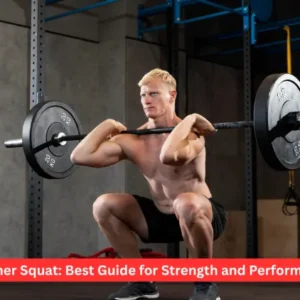
Front Squats
Front squats focus on the upper part of the back and the core,e as well as the emphasis on the quadriceps to ensure that the torso is upright. Front squats are also not stressful to the spine as compared to back squats and encourage good squat form. They are specifically suitable for the sportsman who is concerned with the functionality and health of the knee. In a 70 kg person, moderate to heavy front squats can be as beneficial as 30 minutes of walking in their ability to achieve strength and metabolism in the legs, in terms of the quantity of calories burned.
Rack-Supported Split Squats
The unilateral leg strength, muscular imbalances, and stability are improved, with the help of the rack that allows balancing on the split squats. It involves the use of quads, glutes, a nd hamstrings, and gives people a chance to concentrate on one leg at a time. This makes it extremely effective in addressing weaknesses and the general functional movement. Split squats similarly replicate the 3D movement patterns of real-life, and therefore are more convenient in terms of their strength enhancement than machine-only exercises.
Half Squats
Semi-squats, which are commonly done by sprinters, are also good for training the explosive power and help minimize the stress on the knees and lower back. They effectively target the glutes and quads and are specifically useful to athletes who require quick leg strength, sprints, or power jumps. Half squats are also assistive in developing good mechanic in lifting without a tendency of overloading without overloading.

Upper Body Exercises
Most people think that a squat rack is an exercise tool that should be considered in the lower-body exercise, but the squat is a great device for upper-body muscle building. Variations Presses, rows, and variations of pulls together will make the rack help to enhance muscular posture and balance, depending on the height of the bar.
Overhead Press
The shoulders, triceps, and core stabilizers are the main targets of the overhead press. Lifting a barbell overhead is a good workout that involves strength training of the upper body and balance of the core. This exercise is safer when performed in a squat rack, and it enables trainees to concentrate on form and control, which guarantees long-term strength improvement.
Rack Pull-Ups / Chin-Ups
A squat rack can do pull-ups and chin-ups, which involve adjustable bars that tighten the lats, biceps, and upper back. The pull variations are the only key to shaping a strong upper body in proportion and are practical in enhancing grip strength. These movements are used in addition to rack pulls, which resemble deadlift, but center their movement more around the upper back and traps.
Barbell Rows
Squat rack barbell rows are aimed at the lats, traps, rear delts, and biceps. Proper form means that one should hinge at the hips with a straight back and drag the barbell back to the body. Squats are proven to be excellent when coupled with rows, which enhance posture, upper-body drawing power, and muscular symmetry.
Rack Pulls
Rack pulls: A rack pull is a kind of partial deadlift that takes place in the squat rack. They are suitable since they can be used by people wanting to build the upper part of the deadlift exercise and limit the strain on the lower back. Rack pulls can be used especially well to train a good back and enhance the process of deadlifting without the danger of being fatigued by full-range lifts.

Core-Focused Exercises
A squat rack is not only ideal for working with the limbs but is also essential in building core strength with the help of compound lifts.
Pin Squats
Pin squats involve the use of a bar that has safety pins, which are positioned at a particular height. They coerce correct structure, touch the inner muscle, and eradicate momentum, thus making it efficient for explosive strength progression. They are also a safer method of training heavy lifts with emphasis on the muscles that stabilize the torso during squats and presses.
Static Bar Holds
Squeezing a loaded barbell in a still posture strengthens the core muscles, grip, and postural muscles. They are very favorable to gain stability and withstanding the dynamic high-intensity movement.
Full-Body Training
The fame of squat racks is that one can easily change exercises in a continuous manner, which is perfect in the event of complete body workouts and metabolic fitness. Incorporating lower-body, upper-body, and core exercises in a single session saves time and enables you to develop maximum power, skills, and burn calories.
Complex Movements
The exercises, such as the squat-to-press combination or barbell complex trains a variety of muscle groups at a time. The movements enhance coordination, cardiovascular endurance, and overall strength,h and each session is more efficient and effective.
Progressive Load Training
Progressive overload is a major concept of strength training. The weight or intensity should be increased gradually with appropriate form so as to ensure constant improvement. Planned methods, such as the 5-3-1 rule, which is to cycle through groups of various intensity aids in maximizing gains and diminishing the risk of overtraining.
Similar to other exercises, the idea of balanced exercise has its principles.
Squatting on a rack is also in line with the balanced training theory of 70-30, i.e., 70 percent of the gains come due to uninterrupted hard work in a workout, and the remaining 30 percent of the gains come as a result of recovery, flexibility, and nourishment. The chosen strategy will guarantee further development, avoid injuries,s and contribute to sustainable fitness objectives.
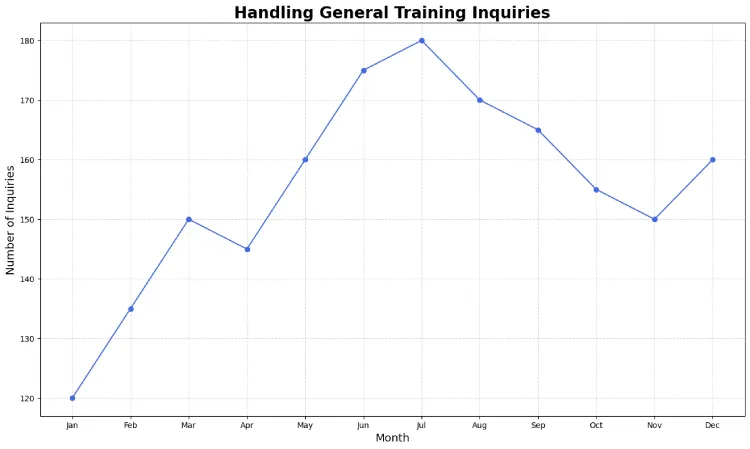
Handling General Training Inquiries.
Home Gym Considerations
A squat rack is very useful in home gyms because of its versatility. Full racks are necessary, it requires a comprehensive training, whereas half racks are needed when there are constraints of space and budgets. Both options offer space to do squats, presses, and pulls.
Squat Muscle Activation and Mechanics.
Various methods of squat utilize various muscles:
- Back squats: Glutes, hamstrings, quads, and core.
- Front squats: Front quads, back with extreme involvement of the core.
- Squats: Butt and thighs to shock power!
- Split squat:s Unilateral strength and balance.
In squats, one can lift around 1 to 1.5 times of his or her body weight, which is normally recommended to achieve body strength.
Cardio Comparisons
Some exercises, es such as squats and complexes, may be of great caloric expenditure. Non-stop squats lasting ten minutes can approximate the muscular activity and calories consumed during a 30-minute stroll, whereas complexes of high-intensity may consume up to 500 calories in thirty minutes. Likewise, stationary biking or rowing would be appropriate as an addition to strength training and could be used to achieve step-count goals, such as 10,000 steps a day.
Efficiency and Alternatives of Exercise.
Although some refer to squats as the king of exercises, other methods, such as rack pulls, deadlifts, and the use of the compound barbell,l have the benefit of being a total body exercise. The rack pulls, to name a few, would focus on the back and lessen the spinal stress in contrast to the conventional deadlifts.
Training Programs and Rules
Several popular exercise guidelines can inform squat rack exercises:
- 5-3-1 Rule: Repeats consisting of five, three, and one ten-mom cycles with progressive intensity.
- Rule of 3-2 -1 Workout: This involves 3 primary lifts, 2 secondary lifts, and 1 finisher, which offer balanced workouts.
- 5-5-5 Rule: 5 reps in a set in the name of strength building, which suits the squat and press.
Recovery and Overtraining
The symptoms of overtraining include chronic fatigue, a decrease in performance, and soreness of joints. Proper nutrition, rest, and sleep are the keys to safe and effective weight gain just as much as lifting.
Diet and Exercise Balance
Although exercise plays a crucial role, the 80% diet, 20% exercise rule of fitness, favors nutrition as well as training in losing fat and building muscles.

The Higher Revelations and Hodgepodge Hits.
The details of exercise mechanics can open up the handling of the squat rack and the general strength training schedule, in general. Minor modifications, differences, and additional practices can contribute greatly to the performance and outcomes.
Semi-squats in case of Power Explosions.
Half squats are also employed by sprinters and athletes to create explosive power in the legs with as little stress as possible on the knees and back. Targeting the high end of the squat, the lifters are able to train the muscle contraction speeds, which are needed in sprinting, jumping, and other high-intensity athletic motions. The strategy of employing half squats in serious positions with full-range squats will ensure that both muscle growth and joint safety are balanced.
Pull-Down Rack Back Building Pulls.
Rack pulls are half deadlifts, which one lifts using the safety pins of a squat rack. This exercise focuses on the upper back, traps,s and latsand lessens the burden on the lower back. Rack pulls can be used especially well to develop a well-developed and strong back and enhance deadlift strength across the board without undue strain on the posterior chain. They can also be used as an excellent alternative provided full deads are demandi, ng or you are interested in lockout strength.
Squat Secrets to Working the Muscles.
Although by far full-range squats offer maximum load to the muscles of the quads, glutes, hamstrings, and core, alternative versions such as pin squats and half squats may be planned in a tactical manner. These options will give you the option of specific motion and explosive power or training around joint limitations so that you experience a balanced response of leg creation.
Cardio and Fat loss bike, which is a stationary bike.
Strength training is combined with Cardio, which helps to increase cardiovascular fitness and burn calories. Bike workouts can be used as a stationary, enabling them to imitate steps counted, calories burned, and therefore a nice substitute of works based on strength. To illustrate, 30 minutes on a stationary bike at moderate intensity can be used as a substitute for walking 10,000 steps or a brisk walk, which helps to lose weight and boost your heart health.
The Golden Five Exercises
Irrespective of the equipment or the setting, certain exercises are the basis of an overall strength training program. These five exercises (the golden 5) include squats, deadlifts, presses, rows, and pull-ups that are almost all working each of the main groups of muscles, functional stability, and mobility. With the addition of these lifts in your squat rack workouts and the addition of exercises like rack pull or pin squats, you will create a well-rounded, useful training program that can be used by both beginners and advanced lifters.

Conclusion
With the squat rack, it is not a squat platform per se; it is a full-spectrum exercise tool. The squat rack provides effective but safe training for lower-body squats, upper-body presses, core stabilizing holds, and difficult full-body exercises. No matter the fitness center, be it in the home or a professional one, the use of squat rack exercises ensures that the body is strong, stable, and able to perform functions.
Knowing the squat, laws of progressive overload, and the recovery and complementary cardio methods, the lifters will be able to gain the best results with minimum risk. The squat rack will always be a strength training pillar to every individual who is serious about adding power, balance, and athletic performance.
Frequently Asked Questions
1: What are the muscles that are used on a squat rack?
A squat rack enables the exercises to bring the focus to the quads, glutes, hamstrings, core, shoulders, and upper back, which is why a squat rack is the best choice when it comes to total-body strength.
2: Is there immediate essential value in having a squat rack at home?
Yes. A squat rack allows a safe multi-purpose workout, such as squats, presses, and pull-downs, and helps to maintain strength, stability, and toning of the whole body at home.
3: What is the distinction between the half rack and full rack?
A full rack is more stable and safe with heavy lifts, whereas a half rack is not large, and most of the workouts at home will be effective with this.
4: Is a squat rack useful for core strength?
Absolutely. Such exercises as pin squats, overhead presses, and holding a bar in static position involve and work the core muscles as well as enhancing the posture and stability.