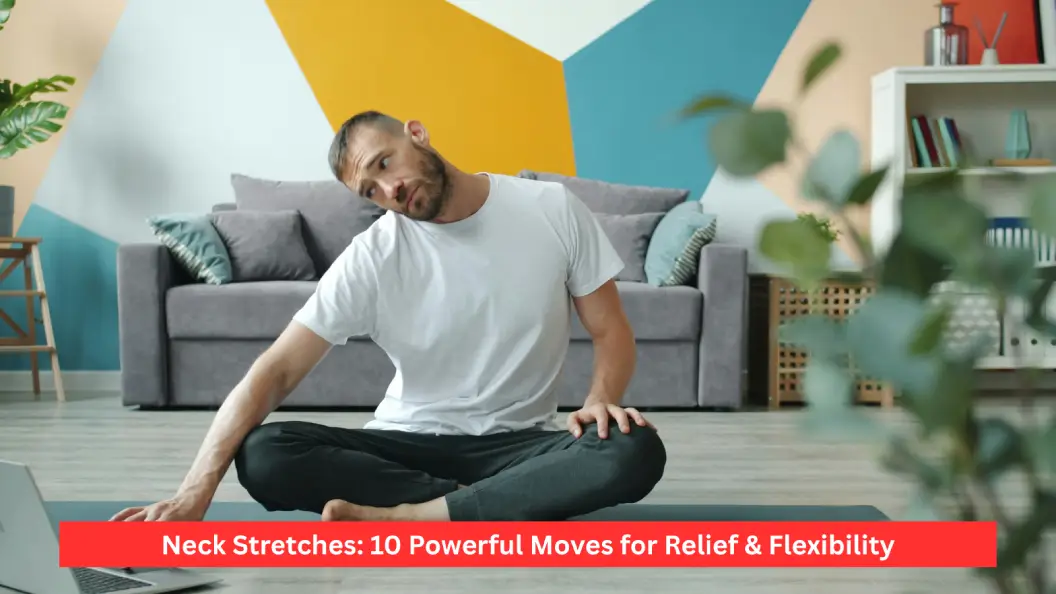

Neck stretches may help increase flexibility and mobility and reduce stiffness during sitting, computer work, or talking on the phone. Do some gentle stretches such as neck rolls, side bends, chin tucks, and chin-to-chest stretches. Go slowly and halt if you are getting any pain or unusual symptoms.
- What Are Neck Stretches?
- Benefits of Neck Stretches
- 10 Best Neck Stretches to Try
- Which Muscles Do Neck Stretches Target?
- Neck stretches for Desk Workers.
- Neck Stretches for Phone Use and Tech Neck
- Morning Neck Stretch Routine
- Neck Stretches Before Bed
- How Long to Hold a Neck Stretch?
- How many times a day should you do neck stretches?
- Common Neck Stretching Mistakes
- Are Neck Stretches Good for Neck Pain?
- When isn't it good to do neck stretches?
- Neck Stretches vs. Neck Exercises
- A Simple 5-Minute Neck Stretch Routine
- Beginner Neck Stretches
- How to Stretch a Tight Neck
- Conclusion
- Frequently Asked Questions
What Are Neck Stretches?
Neck stretches are gentle movements that are controlled and stretch the muscles and joints around the neck. Most do not need any equipment and can be done sitting or standing.
Common movements include:
- Flexion: Tucking your chin into your chest.
- Extension: Gently looking upward.
- Lateral flexion: Turning towards your shoulder.
- Retraction: Moving back with the head while the eyes look forward.
Focus is on comfort, not flexibility. It’s OK if a stretch is mild, but if it becomes intense or painful, stop.
Benefits of Neck Stretches
1. Improve Neck Flexibility
Gentle stretching, on a regular basis, can help to keep the region flexible and comfortable to move. This can help with things like turning, bending down to look down, or looking around.
2. Support Neck Mobility
Neck mobility is important for driving, walking, working, and changing positions. Gentle rotations and side bends allow you to regularly practice these movements.
3. Reduce Everyday Stiffness
Prolonged sitting may cause tightness in the neck and shoulders. Avoid staying in one position for too long by taking frequent movement breaks.
4. Relax Tight Muscles
After driving, reading, using the computer, or talking on the phone for a long time, gentle activity can release tension in neck and shoulder muscles.
5. Promote good posture routines
Just stretching will not fix all postural issues. Mobility work and regular movement in combination with improved positioning of the workstation and strengthening can help to achieve a more comfortable posture.
6. Raise awareness of the position of the neck.
Chin tucks can help to increase awareness of head position. This is helpful when working at a desk or for prolonged periods of screen time.
10 Best Neck Stretches to Try
They should be slow and the range comfortable.
1. Chin-to-Chest Stretch
This stretch slowly stretches the back of the neck.
- How to Do It
- Sit or stand straight.
- Relax your shoulders.
- Lower your chin down towards your chest slowly.
- Stop when a comfortable stretch is reached.
- Hold for 15–30 seconds.
Slowly return to the starting position.
Note: Avoid using hands to pull head down.
2. Side Neck Stretch
This exercise works the lateral side of the neck.
- How to Do It
- Sit or stand tall.
- Don’t tense your shoulders.
- Bring your right ear to your right shoulder.
- Keep shoulder level.
- Hold comfortably.
Go back to the centre and cross to the other side.
Hint: Avoid shrugging your shoulder towards your ear.
3. Neck Rotation Stretch
Neck rotation promotes comfortable side-to-side movement.
- How to Do It
- Sit or stand straight.
- Look forward.
- Turn your head to the right slowly.
- Stop before discomfort.
- Return to center.
- Repeat on the left.
Hint: Do not turn your shoulders.
4. Diagonal Neck Stretch
This is a combination of slight turning and moving forward.
- How to Do It
- Sit upright.
- Rotate your head to the left.
- Turn your chin to the left side of your chest.
- Stop at an appropriate point of comfort.
- Hold for 15–30 seconds.
- Switch sides.
Be sure to not push with your hands.
5. Chin Tuck
Chin tuck is a better mobility and activation exercise than a stretch.
- How to Do It
- Sit or stand with your back straight.
- Look straight ahead.
- Do not lower your head while holding your chin down.
- Pull your head backwards gently.
- Hold for 5–6 seconds.
- Repeat 5 times, relaxing.
Now try to imagine making a small double chin. Avoid hunching your shoulders and looking at your feet.
6. Upper Trapezius Stretch
This exercise focuses on the neck and shoulder area.
- How to Do It
- Sit upright.
- Relax your right shoulder.
- Bend your head to the left shoulder.
- Hold comfortably.
- Return to center.
- Repeat on the opposite side.
- Don’t pull your head forcefully with your hand.
7. Levator Scapulae Stretch
This exercise targets an area between the neck and shoulder blade.
- How to Do It
- Sit upright.
- Turn your head about 45 degrees left.
- Lean your chin over towards your left pocket.
- Use your right shoulder, which is relaxed.
- Hold for 20–30 seconds.
- Switch sides.
Maintain the motion slowly and deliberately.
8. Gentle Neck Extension
This movement slowly rotates the head backwards.
- How to Do It
- Stand or sit straight.
- Relax your shoulders.
- Slowly raise your chin.
- Only look up as high as it’s comfortable for you.
- Pause briefly.
- Return to neutral.
If you do become dizzy, feel pain, feel pressure, or have any unusual symptoms, STOP.
9. Flow of Neck Flexion and Rotation
This is a combination of simple neck movement exercises.
- How to Do It
- Look straight ahead.
- Slowly lower your chin.
- Return to neutral.
- Turn right.
- Return to center.
- Turn left.
- Return to center.
- Repeat slowly.
This is not a deep stretch but a mobility flow.
10. Shoulder Rolls With Neck Relaxation
Shoulder rolls are not a direct neck stretch but could be added to neck mobility.
- How to Do It
- Sit or stand tall.
- Relax your arms.
- Roll shoulders backwards.
- Relax your neck.
- Repeat 5–10 times.
If comfortable, switch direction.
Which Muscles Do Neck Stretches Target?
Different movements involve different muscles around the neck and shoulders.
| Muscle | Main Role |
| Sternocleidomastoid | Rotates and bends the head |
| Upper trapezius | Controls the neck and shoulder |
| Levator scapulae | Connects the neck and shoulder blade |
| Scalenes | Assist neck movement |
| Suboccipital muscles | Help control head movement |
| Deep neck flexors | Support neck stability |
The muscles involved depend on your position and movement.
Neck stretches for Desk Workers.
Short movement breaks may be more feasible than one longer break if you are working at a computer for extended periods of time.
Try:
- Chin tucks: 5 reps
- Neck rotations: 5/each side
- Stretch the side of the neck: 10–15 seconds on each side
- Chin-to-chest: 15–20 seconds
- Shoulder rolls: 10 reps
Also modify screen/chair position as required. Do not hold your neck in one position for long periods of time.
Neck Stretches for Phone Use and Tech Neck
Spending long periods of time looking down at a cell phone can lead to neck and shoulder pain.
Try:
- Chin tucks
- Gentle rotations
- Side neck stretches
- Shoulder rolls
- Short walking breaks
If possible, get your phone to eye level and move around frequently.
Morning Neck Stretch Routine
Brief waking-up exercises can help loosen up your neck after a night’s sleep.
Try:
1. Shoulder rolls: 10 reps
3. Head movements: 10 in each direction
3. Side neck stretch: 15 seconds each side
4. Chin-to-chest: 15 seconds
5. Chin tucks: 5 reps
Begin slowly; do not stretch after getting out of bed.
Neck Stretches Before Bed
A calming night-time routine can help you unwind at the end of a day of sitting or screen time.
Try:
- Side neck stretch
- Chin-to-chest stretch
- Gentle rotation
- Shoulder rolls
- Slow breathing
Instead of maximum flexibility, concentrate on comfortable movement.
How Long to Hold a Neck Stretch?
This is a reasonable range to start with for many gentle static movements: 15–30 seconds.
Controlled repetitions might be more effective with mobility exercises.
Think:
Tightness and stretch, then release in a gentle manner.
Avoid:
Sharp pain and then burning, electric sensations, and then added numbness and tingling.
How many times a day should you do neck stretches?
A good routine is one that is based on what you do and your neck’s reaction to it.
- Desk workers: Get a few mini breaks during the day when it comes to movement.
- General flexibility: Stretch multiple times a week.
- Daily stiffness: Gently move when you’re feeling comfortable.
- If sitting for a long time: Move your neck and shoulders before resuming work.
If you’ve been injured or have a known neck condition, your routine might require adjustment by a professional.
Common Neck Stretching Mistakes
Forcing the Stretch
It is not always better to have a deeper stretch. Keep to a comfortable range.
Bouncing
- Avoid bouncing your head. Slow and controlled movements.
- Pulling too hard with your hands.
- Never push your neck to its limit with your hands.
- Lifting Your Shoulder
- Keep your shoulder down during side stretches.
- Stretching Through Pain
- If pain becomes more intense or sharp or is unusual, stop.
- Explain how to perform “Fast Neck Circles”
- For most fundamental exercises, full neck circles are not required. Individual movements are more easily controlled.
- One Position all day long.
Short stretches will not make up for the need for movement throughout the day.
Are Neck Stretches Good for Neck Pain?
They might ease some of the pain and stiffness in the neck, but not for all neck pain.
Muscle strain, prolonged positioning, injury, joint issues, or other issues can all lead to neck pain.
Discontinue the movement if it increases your symptoms.
If there has been a large amount of pain after trauma, or if there is pain and weakness, numbness, tingling, or symptoms into the arm, more stretching is not the best option – professional assessment must be done.
When isn’t it good to do neck stretches?
If you have any of the following, use caution with this new routine:
An injury that resulted in an injury to the neck, particularly if it was severe
- Significant trauma
- When the pain becomes very intense or gets worse.
- Weakness of arms or hands
- Numbness or tingling
- Upgoing arm pain.
- Dizziness during movement
- Difficulty walking
- Balance problems
Any other unexplained neurological symptoms
If in doubt, ask for professional advice, as stretching may not be suitable.
Neck Stretches vs. Neck Exercises
These terms are often used interchangeably, but they are not identical.
Neck stretches mainly focus on flexibility and comfortable movement.
Neck exercises can include mobility, strengthening, stabilization, and endurance.
| Movement | Primary Focus |
| Side neck tilt | Stretching |
| Chin-to-chest | Stretching |
| Neck rotation | Mobility |
| Chin tuck | Controlled positioning |
| Isometric neck press | Strengthening |
| Shoulder rolls | Shoulder mobility |
A routine may include both mobility and strengthening depending on your goals.
A Simple 5-Minute Neck Stretch Routine
| Exercise | Time/Reps |
| Shoulder rolls | 10 reps |
| Chin tucks | 5 reps |
| Neck rotation | 5 each side |
| Side neck stretch | 15–20 sec each |
| Chin-to-chest | 15–20 sec |
| Gentle extension | 5 reps if comfortable |
Move slowly and allow yourself to return to a neutral position between exercises.
You should finish feeling comfortable, not as if you completed an intense workout.
Beginner Neck Stretches
Simple movements are appropriate for beginners:
- Shoulder rolls
- Chin tucks
- Gentle neck rotations
- Side neck stretches
- Chin-to-chest stretches
Begin with a few repetitions and slowly ramp up if it feels comfortable.
Its aim should be to control and maintain consistency rather than maximum flexibility.
How to Stretch a Tight Neck
When easing up a tight neck with postures such as sitting or using a phone, start by doing some gentle stretching.
- Relax your shoulders.
- Perform 5 shoulder rolls.
- Perform 5 chin tucks.
- Rotate your head slowly from side to side.
- Make a side stretch in the neck on each side.
Conclude with a nice chin-to-chest stretch.
Take your breath with normal breathing while doing the routine.
If tightness starts to cause pain, or other signs occur, STOP and do not continue to stretch.
Conclusion
Neck stretching exercises can prevent and ease the discomfort you may experience with your neck when working at a desk, using a phone, driving, or sitting for extended periods of time.
Begin with basic movements, including chin-to-chest stretches, side stretches, gentle rotations, diagonal stretches, and chin tucks.
Don’t concentrate on how hard or how fast to do it. Take your time to move slowly, maintain a normal breathing pattern, and do not bounce or try to move the neck into pain.
If you have severe pain, substantial injury, symptoms that last, weakness, numbness, tingling, dizziness, or pain that progresses into an arm, don’t rely only on stretching; get professional evaluation.
Begin slowly, move gradually, and follow the advice of comfort in your neck stretching.
Frequently Asked Questions
1. What are the best neck stretches?
Chin-to-chest stretches, side neck stretches, gentle rotations, and chin tucks are simple exercises that can help to increase neck mobility and decrease stiffness throughout the day.
2. How long should you hold a neck stretch?
15-30 seconds is a good starting point for gentle static stretches. Discontinue if pain or unusual symptoms are experienced.
3. Do neck stretches resolve a tight neck?
Yes, a gentle stretch in the neck can be useful to alleviate neck tightness that occurs during the day with sitting, computer work, cell phone use, or being in one position for too long.
4. Can Neck Stretches be performed daily?
Neck stretches can be done very gently daily where they feel comfortable. Don’t do it by force, particularly if you are injured or have existing neck symptoms.