
The bottom of your lower trapezius is among the most vital for shoulder well-being, posture, and stability in your upper back. Though a great deal of attention is paid to the upper traps, strengthening the lower part of the trapezius may help improve shoulder mechanics, relieve neck tension, and improve athletic performance. This program can teach you which exercises are best for the lower traps, how to do them properly, common mistakes to avoid, and a simple workout routine for beginners.
- Why Train the Lower Trapezius?
- Benefits of Lower Trapezius Exercises
- Best Lower Trapezius Exercises
- Bodyweight Lower Trapezius Exercises
- Resistance Band Lower Trapezius Exercises
- Lower trapezius workout to build strength.
- For more successful results, try these tips:
- Common Mistakes
- Final Thoughts
- Frequently Asked Questions
Why Train the Lower Trapezius?
One of the most important muscles found in the lower part of the back that is involved with good posture and shoulder motion is the lower trapezius muscle. While it’s somewhat overlooked compared to the upper trapezius, strengthening this muscle can make a huge difference in shoulder function and help to decrease pain—particularly during daily life and during exercise.
The lower trapezius performs the following important actions and motions:
- Scapular Depression: brings the shoulder blades down to reduce unwanted shoulder shrugs during lifting and overhead activities.
- Upward Rotation of the Shoulder Blades: Helps the shoulder blades spin up to help you lift your arms up safely without aggravating the joint.
- Shoulder Blade Stabilisation: Maintains the stabilisation of shoulder blades during pushing, pulling, and lifting movements, increasing the efficiency of movement and decreasing the risk of injury.
- Promoting better posture: Relieves rounded shoulder and forward head posture from sitting for long periods or working at a desk.
- Supporting Overhead Movements: Maintains stability and control during overhead movements such as overhead presses, pull-ups, and serving and throwing movements in sports.
The lower trapezius is made stronger so the shoulders and upper back are strengthened. Maturation of the lower traps will decrease unnecessary stress and load, improve quality of movement, and help develop the strength of the upper body and the long-term health of the shoulder.
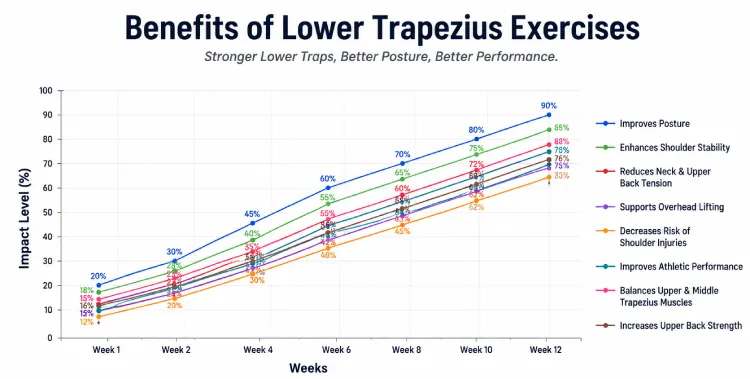
Benefits of Lower Trapezius Exercises
Incorporating lower trapezius exercises into the workout can provide many posture, strength, and injury prevention benefits. An athlete, fitness enthusiast, or simply someone wanting to relieve discomfort in the neck and shoulder, training this muscle can make a wonderful difference.
Improves Posture
Tight lower traps pull the shoulder blades into correct posture, lessen rounded shoulders, and keep you upright.
Enhances Shoulder Stability
The lower trapezius is involved in stabilizing the shoulder blade with other muscles of the upper back to provide a more stable and solid shoulder joint when moving.
Reduces Neck and Upper Back Tension
Stiffness of the neck and muscle tightness can happen if the lower traps are weak, and the upper trap compensates for this. The heavy work of thelower-levell traps can be spread out more evenly by strengthening the bottom.
Supports Overhead Lifting
Strength training movements such as overhead carries, pull-ups, and shoulder presses depend on the integrity of the lower traps to help keep the shoulder blades operating correctly and safely.
Decreases the Risk of Shoulder Injuries
By providing proper activation of the lower trapezius, healthy shoulder mechanics are attained to prevent common injuries such as shoulder impingement, rotator cuff strain, and instability.
Improves Athletic Performance
Smokers’ lungs have a lower capacity to retain carbon dioxide, and muscles require more oxygen to utilize it. With better lower traps, athletes in swimming, tennis, baseball, volleyball, CrossFit, and weightlifting can have better stability, power transfer, and efficiency of their movements.
Balances the Trapezius Muscles.
The upper traps are developed too much, and the middle and lower traps are ignored. Exercisestarget thee lower trapezius to promote balanced development and overall upper-back function.
Increases Upper Back Strength
By engaging the lower trapezius, pulling exercises will generate a greater amount of force and enhance the performance of rows, deadlifts, and other compound movements.
Improves Shoulder Mobility
Normal functioning of the lower trapezius muscles enables normal gliding of the shoulder blade and promotes an increased range of motion in exercises and during activities.
Promotes Better Movement Mechanics
With good strength of the lower trapezius, the shoulder and the shoulder blade move efficiently together during an exercise, giving proper form to the exercises, lift technique,e and minimizing the amount of stress on the surrounding muscles and joints.
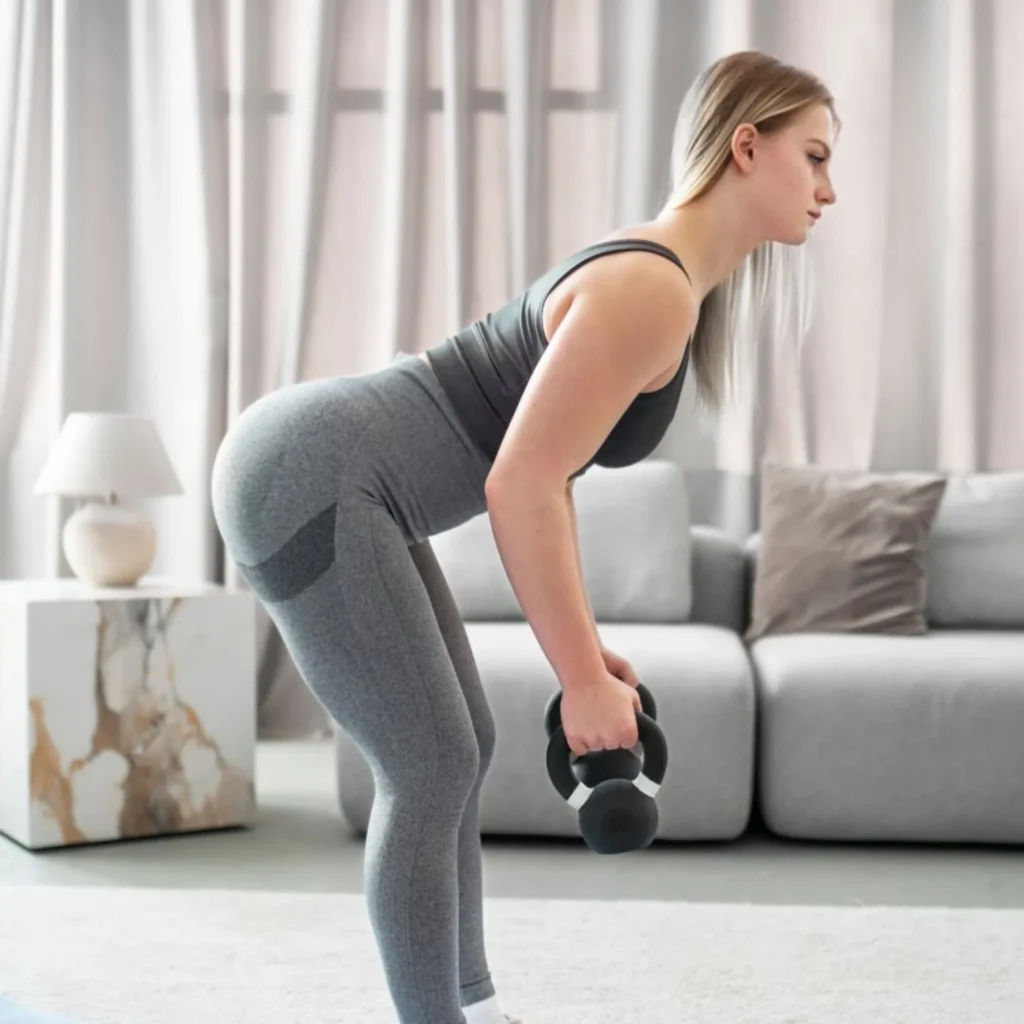
Best Lower Trapezius Exercises
1. Prone Y Raise
The Prone Y Raise is one of the best isolation exercises for strengthening the lower trapezius. It activates the lower traps while minimizing involvement from the upper trapezius, making it highly effective for improving posture, shoulder stability, and overhead movement.
How to Perform
- Lie face down on a flat or incline bench.
- Extend your arms overhead to form a “Y” shape.
- Keep your thumbs pointing toward the ceiling.
- Brace your core and keep your neck in a neutral position.
- Slowly raise your arms until they are in line with your body.
- Squeeze your shoulder blades downward and together.
- Pause for one to two seconds.
- Lower your arms slowly to the starting position.
- Sets: 3
Reps: 10–15
Tip: Use no weight or very light dumbbells to maintain proper form.
2. Face Pull
The Face Pull is an excellent exercise for strengthening the lower trapezius, rear deltoids, and rotator cuff muscles. It improves shoulder posture and helps correct rounded shoulders caused by prolonged sitting.
How to Perform
- Attach a rope handle to a cable machine at upper chest height.
- Grab the rope with both hands using an overhand grip.
- Step back to create tension in the cable.
- Pull the rope toward your forehead while keeping your elbows high.
- At the end of the movement, squeeze your shoulder blades together.
- Slowly return to the starting position.
- Sets: 3
Reps: 12–15
Tip: Focus on pulling with your shoulder blades rather than your arms.
3. Wall Slides
Wall Slides improve shoulder mobility while activating the lower trapezius and serratus anterior. This exercise is ideal for beginners and anyone recovering from poor posture or shoulder stiffness.
How to Perform
- Stand with your back against a wall.
- Keep your head, upper back, and hips touching the wall.
- Position your elbows at 90 degrees.
- Slowly slide your arms upward while maintaining contact with the wall.
- Raise your arms as high as comfortable.
- Slowly lower them back down.
- Sets: 3
Reps: 12
Tip: Avoid arching your lower back during the movement.
4. Resistance Band Pull-Apart
The Resistance Band Pull-Apart strengthens the lower and middle trapezius while improving shoulder blade control and posture. It’s a simple exercise that can be performed almost anywhere.
How to Perform
- Hold a resistance band at shoulder height.
- Keep your arms straight with a slight bend in the elbows.
- Pull the band apart until your arms extend out to your sides.
- Squeeze your shoulder blades together.
- Slowly return to the starting position.
- Sets: 3
Reps: 15
Tip: Keep your shoulders relaxed and avoid shrugging.
5. Straight Arm Pulldown
The Straight Arm Pulldown primarily targets the lats while strongly engaging the lower trapezius to stabilize the shoulder blades during the movement.
How to Perform
- Stand facing a cable machine with a straight bar attached to the high pulley.
- Hold the bar with your arms fully extended.
- Keep your elbows slightly bent throughout the movement.
- Pull the bar toward your thighs.
- Squeeze your shoulder blades downward at the bottom.
- Slowly return to the starting position.
- Sets: 3
Reps: 10–15
Tip: Avoid leaning backward to generate momentum.
6. Scapular Pull-Ups
Scapular Pull-Ups improve shoulder blade control and specifically strengthen the lower trapezius without requiring a full pull-up. They are excellent for beginners progressing toward pull-ups.
How to Perform
- Hang from a pull-up bar with your arms fully extended.
- Keep your elbows locked throughout the exercise.
- Pull your shoulder blades downward and slightly together.
- Lift your body only a few inches.
- Hold briefly.
- Lower yourself slowly back to the starting position.
- Sets: 3
Reps: 8–12
Tip: The movement should come from your shoulder blades, not your arms.
7. Dumbbell Incline Y Raise
This variation increases resistance while maintaining excellent lower trapezius activation. It is ideal for intermediate and advanced lifters.
How to Perform
- Set an incline bench to about 30–45 degrees.
- Lie face down holding light dumbbells.
- Let your arms hang naturally.
- Raise your arms into a Y shape.
- Pause at the top while squeezing your shoulder blades.
- Slowly lower the dumbbells.
- Sets: 3
Reps: 10–12
Tip: Choose light dumbbells to avoid using momentum.
8. Reverse Snow Angels
Reverse Snow Angels strengthen the lower trapezius while improving shoulder mobility and posture. They are especially useful for individuals who spend long hours sitting.
How to Perform
- Lie face down on the floor.
- Keep your forehead resting lightly on the ground.
- Lift your arms slightly off the floor.
- Sweep your arms from your hips to overhead in a slow arc.
- Reverse the movement with control.
- Sets: 3
Reps: 12
Tip: Keep your chest slightly lifted throughout the exercise.
9. Resistance Band Y Raise
The Resistance Band Y Raise is a beginner-friendly exercise that provides continuous resistance while strengthening the lower trapezius and improving shoulder stability.
How to Perform
- Stand on the center of a resistance band.
- Hold one end of the band in each hand.
- Raise your arms diagonally overhead into a Y shape.
- Keep your shoulders down throughout the movement.
- Slowly return to the starting position.
- Sets: 3
Reps: 12–15
Tip: Move slowly to maximize muscle activation.
10. Cable Y Raise
The Cable Y Raise provides constant tension throughout the entire range of motion, making it one of the most effective cable exercises for isolating the lower trapezius.
How to Perform
- Position both cable pulleys at the lowest setting.
- Hold the opposite cable handle in each hand.
- Cross the cables slightly in front of your body.
- Raise your arms overhead into a Y shape.
- Pause briefly while squeezing the lower traps.
- Lower the cables under control.
- Sets: 3
Reps: 10–12
Tip: Keep the movement slow and controlled without shrugging your shoulders.
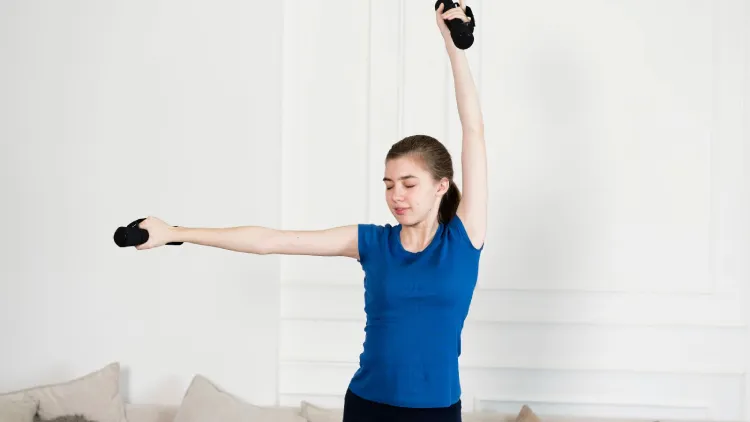
Bodyweight Lower Trapezius Exercises
If no equipment, here are some suggestions:
- Reverse Snow Angels
- Wall Slides
- Scapular Pull-Ups
- Prone Y Raises
- Superman Y Hold
- Floor Y Raises
These will help you get better posture and shoulder stability without needing to use weights.
Resistance Band Lower Trapezius Exercises
Resistance bands are in constant tension without heavy weights.
Great options include:
- Band Pull-Aparts
- Band Y Raises
- Face Pulls with Bands
- Straight Arm Pulldowns
- Band Wall Slides
Lower trapezius workout to build strength.
Beginner
- Wall Slides — 3 × 12
- Band Pull-Aparts — 3 × 15
- Prone Y Raises — 3 × 10
Intermediate
- Face Pulls — 3 × 12
- Straight Arm Pulldowns — 3 × 12
- Cable Y Raises — 3 × 10
- Reverse Snow Angels — 3 × 12
Advanced
Repeat with dumbbells facing you: 4 × 10 repetitions on each side.
Scapular Pull-Ups — 4 × 10
Face Pulls — 4 × 15
Straight Arm Pulldowns — 4 × 12
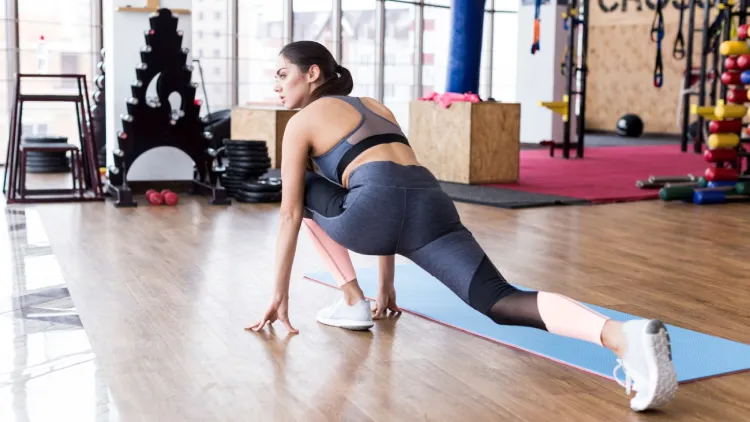
For more successful results, try these tips:
Take it slow; do the movements mindfully and sensibly.
- Avoid shrugging your shoulders.
- Actively engage your shoulder blades in each rep.
- Utilize a light weight using correct form.
- Perform the lower traps every 2-3 days.
Some ideas to pair the following exercises with upper back mobility exercises.
Common Mistakes
Avoid these errors:
- Using excessive weight
- Shrugging the shoulders
- Swinging the body
- Rushing repetitions
- Sitting or standing incorrectly during workouts.
- Not controlling the lowering phase
- Ignoring proper breathing
Final Thoughts
The lower trapezius is a vital area to strengthen to keep the shoulders happy and healthy, to support the body in relation to posture, and to increase the performance of the upper arm. If you are an athlete, weightlifter, or simply someone seeking to eliminate pain or discomfort on your shoulders or neck, lower trapezius exercises are for you. Instead of using heavy weights, emphasize proper form, slow movement, and increasing the intensity over time. Regularly training your lower traps on 2-3 days a week will get you an extremely sturdy and sound upper back that promotes healthier motion, will protect you from injury, and will make you more functional in daily life.
Frequently Asked Questions
What is the best exercise for the lower trapezius?
Known as one of the best exercises, the Prone Y Raise directly helps target the lower trapezius while using minimal other equipment.
How do I know how much train to do on my traps?
For most people, training the lower trapezius 2-3 times a week with a day of rest in between is sufficient.
3. Are lower trapezius exercises useful for postural improvements?
Yes. Strengthening the lower trapezius can help to stabilize the shoulder blades, promote proper alignment, and diminidiminished shoulders.
5. Yes, are these lower trapezius exercises easy?
Absolutely. The following exercises are good to begin with for beginners as they are easy to perform using body weight, followed by resistance bands or weights: Wall Slides, Reverse Snow Angels, and Prone Y Raises.