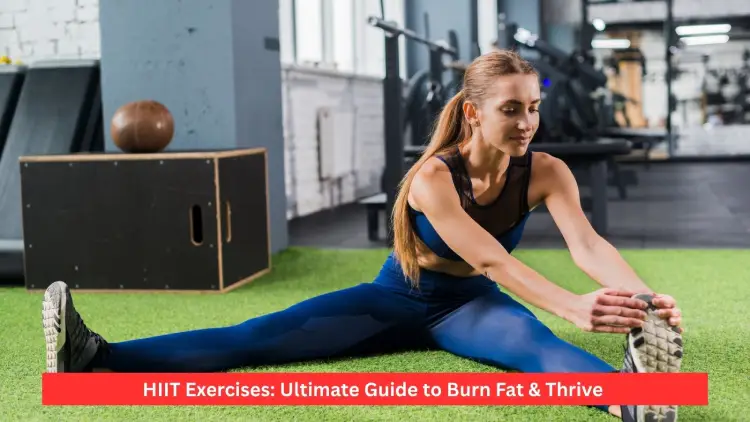

A great form of exercise is HIIT, which is otherwise known as High-Intensity Interval Training. They help to burn calories, lower body fat, boost cardiovascular health, increase strength, and preserve lean muscle. This is the full HIIT guide to understanding what the term means, the science behind HIIT training, the advantages it offers, the long-term exercise training plans, as well as at-home and expert workouts for weight loss and fitness.
What are HIIT exercises?
High-intensity interval training (HIIT) has proven to be one of the best workouts for boosting fitness within a short time frame. HIIT is an interval training protocol where there are periods of time when you are either really active or recovering. This will keep your heart rate up, burn more calories, and simultaneously make several energy systems work.
These workouts can be as short as 15 minutes and as long as 30 minutes, and can be performed by a busy professional, student, parent, or anyone looking to improve his or her health without forking out hours at the gym.
HIIT training has become very popular, as it integrates the attributes of cardiovascular training, muscular endurance, and strength training within a single training unit. HIIT is not the same kind of cardio most of the time, it includes a range of intensities to make the body continue to adjust, rather than reaching a “plateau,” as it could with regular cardio.
There’s no mystery to it, as you’ll discover if you’ve looked up the meaning.
The principle of HIIT (High-Intensity Interval Training) is a training technique in which short intervals of high-intensity exercise are alternated with rest or low-intensity exercise that slows breathing, maximizing the benefits of training and the amount of calories burned.
A Typical HIIT Workout
The majority of the HIIT workouts consist of three parts:
- Warm up for 5–10 minutes
- Do an exercise as fast as possible for 20-45 seconds
- Rest or do some light activity for 15-30 seconds
- Repeat the interval a few times
- Cool off and stretch
For example:
- Jump Squats – 30 seconds
- Rest – 20 seconds
- Burpees – 30 seconds
- Rest – 20 seconds
- Mountain Climbers – 30 seconds
- Rest – 20 seconds
Do this circuit 4 to 6 times.
What is the reason for the popularity of HIIT Exercises?
The most obvious appeal for many to try HIIT workouts is the efficiency. Evidence demonstrates that brief, intense exercise can equal longer moderate-intensity exercise when it comes to heart health benefits and in terms of time commitment.
Secondly, HIIT can be done practically anywhere. The majority of people do HIIT at home with nothing but their body weight, but some use dumbbells, kettlebells, resistance bands, or gym equipment to add resistance.
The other benefit is the flexibility. HIIT can be tailored to just about any fitness goal, be it fat loss, helping with endurance, athletic performance, or overall health results.
How HIIT Exercises Work
The science behind HIIT exercises is based on alternating between periods of maximum effort and recovery. In the most intense interval, muscles need an increased amount of oxygen, which increases the HR quickly. While you’re recovering, your body starts replenishing all the oxygen stores and preparing for the next set of exercises.
Repeated cycle tests both aerobic and anaerobic systems, leading to big gains in cardiovascular fitness and muscular endurance as well as a major increase in calorie burn.
The afterburn effect, also called Excess Post-Exercise Oxygen Consumption (EPOC), has been scientifically proven to be one of the main factors of why HIIT exercises for weight loss are so effective. Your body will still be continuing to burn off calories after your exercise, even as you rest, recover energy, rebuild muscle tissue, and enter rest mode.
Aerobic training vs Anaerobic Training
HIIT training is not only good for the major energy systems, but it’s good for both.
Aerobic System
The aerobic system utilizes oxygen to make energy during prolonged activities. The better this is, the more stamina the player has, the better heart health, the better the recovery will be.
Anaerobic System
The anaerobic system is the system that supplies the body with rapid, oxygen-less energy output. It is involved in explosive movements like burpees, sprinting, squat jump, or mountain climbing.
Performing HIIT exercises at the same time trains both systems at once to aid in fat burning, muscle endurance, and improve overall athletic performance.
Why HIIT Burns More Calories
Traditional cardio exercises burn calories during the exercise. But because your body needs so much more energy to recover from the intense intervals, HIIT keeps the calories pouring after your workout. This higher metabolism adds up to higher daily calorie burn, particularly with a good diet.
This is a popular way to enhance home weight loss and workout routines for people who want HIIT, as they don’t have to invest in any costly equipment or attend lengthy training sessions.
Benefits of HIIT Exercises
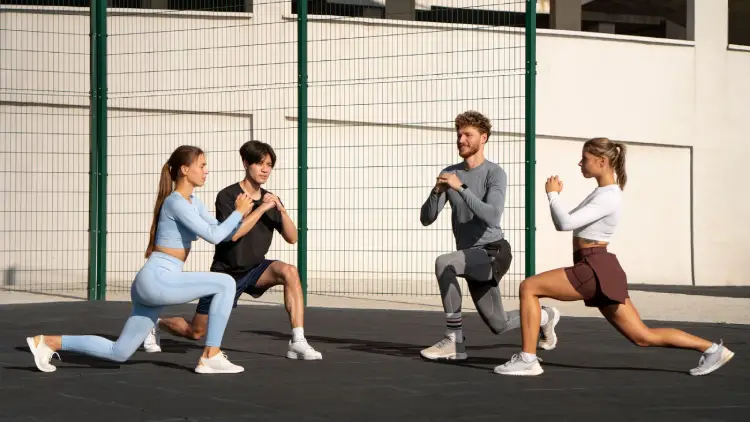
HIIT exercises have become popular as they have proven to offer several physical and mental health benefits. From beginners to seasoned athletes, adding HIIT to your weekly training plan can benefit virtually everyone.
1. Burns Calories Efficiently
What makes HIIT workouts so desirable is the large number of calories they can burn in a fairly short amount of time. Workout intensity is moderate to high (revolving bursts of max intensity) and calls for more energy from your system than for any steady-state cardiovascular exercises.
This is a great method for those who have hectic schedules but still want to get a great workout.
2. Supports Weight Loss
The reason that many people start with HIIT is to decrease body fat. HIIT workouts are effective for weight loss when used in conjunction with an effective nutrition plan that achieves a calorie deficit or burn.HIIT for losing weight can help to develop the calorie deficit or burn needed to see weight loss in the long haul while maintaining the lean muscle mass you cherish.
HIIT pairs explosive cardiovascular actions with the encouragement of muscle fibers, resulting in a well-rounded solution for body composition improvement, while extended cardio could also include some muscle loss if implemented in combination with a high-intensity diet.
3. Improves Cardiovascular Health
The heart is a piece of muscle, and HIIT activities get the heart stronger by regularly making it pulse at various rates.
There are occasional HIIT training sessions that can also be beneficial:
- Improve circulation
- Lower resting heart rate
- Increase stroke volume
- Enhance oxygen utilization
- Help increase stamina in day-to-day tasks
With improved cardiovascular health and along with a healthy lifestyle plan, the probability of developing certain chronic diseases is also lowered, leading to better long-term health.
4. Saves Valuable Time
One of the most prevalent reasons to not exercise is due to. . . time! Fortunately, HIIT workouts eliminate all of these issues because they improve the outcomes of a workout without requiring an excessive amount of time, often just 20 minutes.
Many individuals feel like they are able to get the same fitness benefits by longer, shorter bursts of intense exercise rather than an hour of traditional working out.
HIIT is popular amongst working professionals and parents thanks to its efficiency.
5. Increases Endurance
Whilst HIIT exercises are brief, they are high-intensity and put a lot of stress on the cardiovascular system.
With continued training, one can enhance:
- Aerobic capacity
- Anaerobic performance
- Recovery speed
- Exercise tolerance
- Athletic endurance
HIIT can help enhance stamina, whether for recreational sports or just stepping up stairs without getting winded.
6. Preserves Lean Muscle
While excessive steady-state exercise can lead to muscle loss, properly designed HIIT exercise is one way to help maintain lean muscle and facilitate fat loss.
A calorie-restricted diet while doing body weight exercises like push-ups, squat jump, lunge, mountain climbers, and burpees keeps multiple muscle groups in action and is great for maintaining strength during the workout.
7. Improves Insulin Sensitivity
Some research also indicates that HIIT can help enhance insulin sensitivity, leading to improved utilization of glucose.
Promoting health benefits from better insulin function includes:
- Improved energy levels
- Better maintenance of glucose levels at home
- Reduced fat storage
- Enhanced exercise performance
8. Needs little or no equipment
HIIT training at home is growing in popularity, in part because it’s easy to follow.
Many great routines can be done with just:
- Your body weight
- A yoga mat
- Comfortable athletic shoes
- There’s a small exercise room
Since it doesn’t require any costly machines, HIIT is available for any fitness level.
9. Improves Mental Health
As exercise benefits mental health are well known, so is the case of HIIT.
Remember to take part regularly:
- Reduce stress
- Improve mood
- Increase energy
- Enhance self-confidence
- Improve sleep. Facilitate quality sleep
Exercise releases endorphins, which help to make one feel better about oneself and lower anxiety and fatigue.
10. Adds Variety to Your Routine
Working out daily can get tedious.
With HIIT training, there are endless variations in exercises, intervals, and training style, which help to keep you on track longer.
You can take advantage of ways to easily personalize exercises for:
- Fat loss
- Muscle endurance
- Athletic performance
- Functional fitness
- General health
Does a HIIT workout work for everyone?
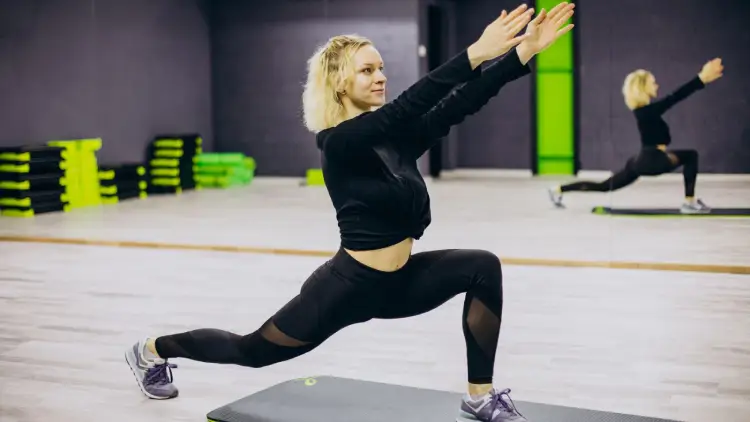
HIIT exercises are almost anyone can benefit from as long as the exercises are customized to the individual’s level of fitness. HIIT has one of the best things that can be said: it’s flexible. Workouts can be adapted for low impact, to make it tougher, or to fit particular targets.
HIIT exercises are great for:
- Anyone new to fitness and in the beginning stages of starting an exercise program
- Higher-level active executives who do not have a lot of time to exercise
- Individuals looking to lose body fat
- Individuals who care about a healthy heart
- Athletes wishing to improve their speed and endurance
- Those seeking a full-body exercise program that is effective
For beginners, it’s important to work on correct form before adding any intensity to their workouts. Select some HIIT exercises that have a longer recovery time between sets so that the risk of injury is minimised and confidence and endurance are gained.
HIIT training at home can be a good option for people who are not very familiar with fitness.
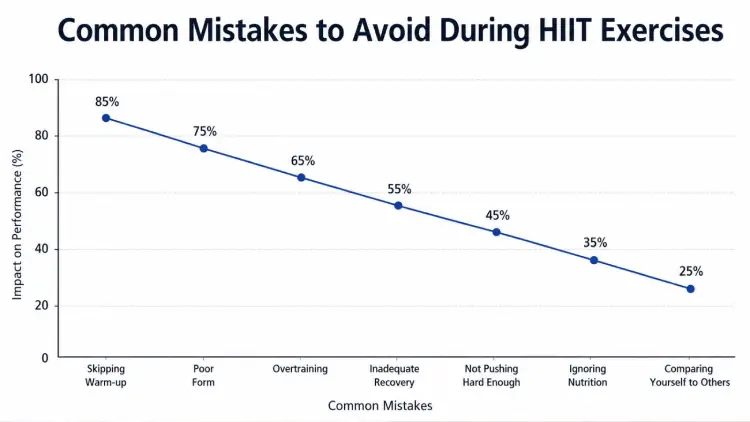
Common Mistakes to Avoid During HIIT Exercises
Avoid these poor workout habits while doing the HIIT workout that can affect performance and lead to injury.
1. Skipping the Warm-Up
Warming up before running is an important factor to consider, as it can cause muscle strains and sub-optimal performance if you don’t do it.
- Warm up for 5-10 minutes
- Do active stretches and mild exercises
2. Using Poor Form
Poor form compromises the benefits of the workout and can also make you more prone to injury.
- Learn to correct posture
- Perform each movement with control
3. Doing HIIT Too Often
Your body needs to recover from strenuous exercise.
- Do only 2-4 HIIT sessions per week
- Add rest or active recovery days to the schedule
4. Ignoring Rest Periods
Recovery intervals are used to keep the work rate of an exercise high.
- Follow the recommended work–rest ratio
- Don’t even take a break between sets
5. Choosing Advanced Exercises Too Soon
A beginner should start with strengthening exercises and then perform challenging exercises.
- Do simple body weight exercises first
- Increase intensity gradually
6. Skipping the Cool-Down
A Cool Down to help your body recover after exercise.
- Take a brisk walk for some minutes
- Stretch large muscle groups throughout the body
These errors will be avoided, leading to more effective and safer HIIT workout routines with better strength, endurance, and fitness.
Final Thoughts
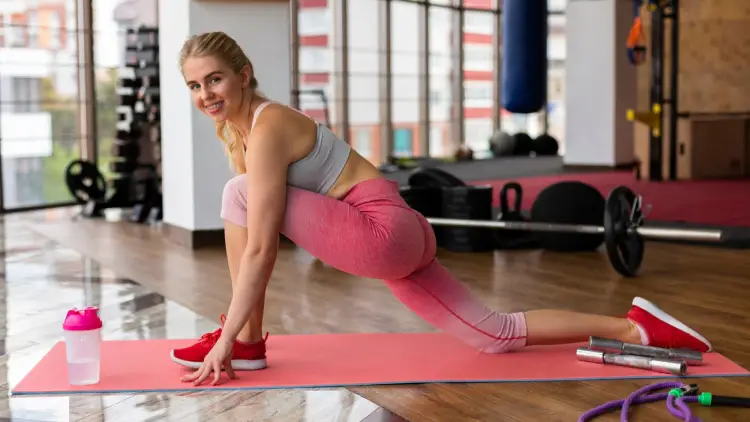
An HIIT workout is a great, simple method to burn calories, build endurance, and enhance fitness in a shorter amount of time. Consistency, good form, and rest are the keys for anyone just starting or a seasoned competitor. Begin at your own speed, work up slowly, and incorporate and use HIIT exercises regularly to stay healthy and perform to your best.
Frequently Asked Questions
1. What does HIIT mean?
HIIT stands for High-Intensity Interval Training. It is a workout method that alternates between short bursts of intense exercise and brief recovery periods to improve fitness, burn calories, and increase endurance.
2. Are HIIT exercises good for beginners?
Yes, HIIT exercises for beginners are safe when performed with proper form and modified intensity. Beginners should start with simple bodyweight movements, longer rest periods, and shorter workout sessions before progressing to more challenging routines.
3. Can I do HIIT exercises at home without equipment?
Absolutely. Many HIIT exercises at home require no equipment and use only bodyweight movements like jumping jacks, squats, mountain climbers, burpees, and push-ups. These workouts are convenient, effective, and suitable for small spaces.
4. How many times a week should I do HIIT exercises?
For most people, doing HIIT exercises 2–4 times per week is ideal. This provides enough recovery time while helping improve cardiovascular fitness, support weight loss, and build endurance.