
Yin Yoga is a relaxing, meditative form of yoga that is characterised by gentle, long-held poses and passively sustained poses, which address the deep connective tissues. It is more flexible, helps to relax, increases the range of motion in the joints, and soothes the nervous system. Yin Yoga is good to start with, whether one is a beginner or advanced yoga practitioner; it has a therapeutic nature of movement that can be performed at home, any studio, or even in bed with the right support.
- 1. Butterfly Pose (Baddha Konasana)
- 2. Dragon pose (Variation) Anjaneyasana
- 3. Caterpillar Forward Sitting (Seated version) Alapang
- 4. Sphinx Pose
- 5. Gomukhasana Legs or Shoelace Pose
- 6. Supported Fish Pose
- 7. Happy Baby Pose (Ananda Balasana)
- 8. Dragonfly Pose (Wide-Legged Forward Fold)
- Yin Yoga Ideals and Philosophy
- The Yin Yoga vs. Alternative Styles of Yoga
- Yin yoga: a physiological and emotional side effect.
- Accessibility, Diet, and Timing
- Types of Yoga that are popular and Complementary
- Recommendations on Safe and successful Yin Yoga
- Conclusion
- Frequently Asked Questions
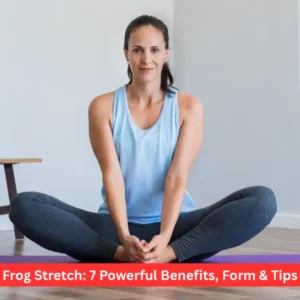
1. Butterfly Pose (Baddha Konasana)
The Butterfly Pose is a yoga base that is used to open the inner thighs and hips and encourage relaxation. In comparison with active yoga styles, Yin Yoga focuses more on staying in this posefor a few minutes so that the connective tissues can stretch slowly.
- The way of doing it: Sit with your feet touching each other and your knees falling out of place. Keep spine straight, stoop forward, and inhale deeply, and fold further into the position of rest.
- Duration: Hold for 2–5 minutes. Novices can begin with shorter holds and then slowly increase their time of holding if they are more flexible.
- Benefits: This pose alleviates tension in the lower back in addition to stretching the hips and the groin. This long hold time induces a meditative state, which is capable of reducing cortisol levels as well as state of mind clarity.
The slow practice of Yin Yoga is in stark contrast to the faster, more athletic applied yoga method,s which makes it user-friendly and an apt practice for beginners that aims to help treat conditions. The pose is especially useful to those with a sedentary lifestyle who sit long hours,s as this helps to counteract tight hip flexors.

2. Dragon pose (Variation) Anjaneyasana
The Dragon Pose of Yin Yoga is to open the hip flexors to a deep forward position and yet maintain a meditative posture. Yin yoga takes advantage of long postures to rub the fascia and connective tissues, as they are not as powerfully addressed in more vigorous forms of yoga.
- Instructions: Lunge forward with one foot, having the knee at the back touching the mat. Relax the hips slowly downwards towards the floor. Your torso need not be straight, but it may be tilted forward over the front leg.
- Duration: 2-3 minutesonn each side. The pose can be available with the help of props, such as blocks or blankets.
- Benefits: Enhances hip instability, lower body stability, and improves circulation. In the long run, such a position can help slow down and enhance the posture.
This intensity of Dragon Pose restates the fact that perhaps Yin Yoga can be harder than it might seem in some places, despite the slow movement. Although it is less stressful to the joints, it can be psychologically challenging, evenrequiring a lot of patience and mental stability to be standing in long poses, which is why Yin may be perceived as a deceiver of the Hatha workout, at times.
3. Caterpillar Forward Sitting (Seated version) Alapang
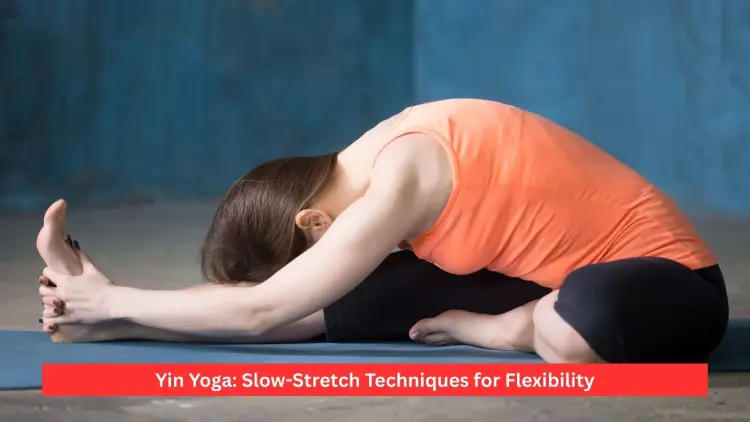
Caterpillar Pose is a characteristic of Yin Yoga, which specifically refers to the spine, hamstrings, and lower back. This position reveals the three tenets of Yin Yoga: stillness, long hold,s and deep connective tissue release.
- How to do it: Sitting with your legs spread apart, come forward with your torso over your thigh, hs and get your head and shoulders to rest on the floor. Breathe slowly and in a steady manner.
- Duration: Hold for 3–5 minutes. Egocentric beginners should have shorter but consistent sessions.
- Benefits: Strengthens the hamstrings and spine, relaxes the nervous system, and inspires a mind-body relationship during meditation.
Caterpillar Pose is a good example of the therapeutic experience of Yin Yoga, with its focus on long-term, passive poses instead of activity. The flexibility may be permanently improved with regular training, and the tension caused by strenuous exercises or prolonged sitting circumstances can be reduced.
4. Sphinx Pose
Sphinx Pose is a mild backbend that is popular in Yin Yoga because it has the advantage of strengthening the spine. It shows the productive effect of Yin Yoga on the body: it penetrates and stimulates fascia, improves circulation, and does not make the body move too hard.
- The way to do it: Lying on your stomach, place your elbows below your shoulders and on the floor with your forearms. Raising of the chest will be supported by keeping the spinal position in alignment.
- Duration: Hold for 2–4 minutes.
- Benefits: Enhance spinal flexibility, expand the chest, increase the strength of the postural muscles, and benefit the respiratory process.
In contrast to more vigorous types of yoga, e.g, Ashtanga or Vinyasa, Yin Yoga does not include any rapid transitions. This enables the body to get into a full rest mode, which provides in-depth tissue access to the body and enhances movement of the joints,s which are useful to the long-term musculoskeletal status of the body.

5. Gomukhasana Legs or Shoelace Pose
Shoelace Pose is a deep hip and glute stretch, which exemplifies the fact that Yin Yoga puts an emphasis on seemingly neglected connective tissues.
The procedure Sit (pile the knees one on top of the other) with a gentle fold forward, keep long spine.
- Time: Hodgeman 2–4 minutes each side. In case of necessity, props may assist in relieving knees and hips.
- Value: Relieves cramps in the hips and stretches the buttocks, along with lubricating the joints. This position will be able to relieve low back pain that is caused by stiffened hip flexors.
The emphasis on long-holds in Yin Yoga makes the practice contrast with Hatha or Vinyasa, which are more active toward muscular activity and flow. This is an appropriate style, especially when one wants to practice without any vigorous activity but in a very calm and meditative way.
6. Supported Fish Pose
Supported Fish Pose presents a chest and shoulder opening technique as a therapy that promotes the relaxation of the body and makes breathing easier.
- The way it is done: The base is lying down, propping a yoga block or cushion underneath the spine at a higher position, leaving the arms to the sides with palms facing up.
- Duration: Hold for 3–5 minutes.
- Benefits: helps to enlarge the chest, facilitates deep breathing, and relieves tension in the shoulders and back.
This is one attitude that brings out one of the principles of Yin Yoga, which is stillness. The muscles are relaxed by using support to the body, and the connective tissues are pacified by pulling,g causing a feeling of rejuvenation and mental ease.
7. Happy Baby Pose (Ananda Balasana)
Happy Baby Pose is a pose that is a relaxing Yin Yoga pose targeting the hips, inner thighs, and the lower back as a restorative position to rest.
- How to perform it: This is done on the back, roll your knees towards the armpits, and take the outer edges of your feet in your hands.
- Duration: Hold for 2–3 minutes.
- Benefits: Removes tension in the lower back, relieves tension in the hips, and leads to relaxation.
Yin Yoga is also very meditative and may cause emotional release, e.g., crying or profound reflection. This is a natural reaction because tension accumulated in the fascia and joints is relieved by the body.
8. Dragonfly Pose (Wide-Legged Forward Fold)
Dragonfly Pose is an all-encompassing Yin Yoga pose that enhances the flexibility of hamstrings as well as gives a feeling of relaxation.
- How to do it: sit, with the legs spread open, folding forward at the hips, and bringing the hands on the floor or stretched away.
- Duration: Hold for 2–5 minutes.
- Benefits: Strengthens hamstrings, stretches the spinal area, increases heart rate, increasing mental relaxation.
Regularly practising Dragonfly Pose, as well as other yoga postures in Yin Yoga, results in corresponding balancing of the nervous system, and so Yin Yoga is considered to be one of the most restorative yoga styles.

Yin Yoga Ideals and Philosophy
There are three primary principles that practice the Yin Yoga: the long holds, the connective tissue,e and stillness. Other practitioners identify four other principles, es including awareness, breath, mindfulness, and patience. All of these compose a comprehensive practice, which nurtures the body and mind.
- Stillness: Movement is limited so that deep tissue stretching can be experienced.
- Long poses: The poses are held between 2-5 minutes or more to get the fascia and joints going.
- Breath power: be aware of breathing: Conscious breathing could be moreflexiblee and relaxed.
- Mindfulness: noting the sensations and emotions will help become mindful.
These tenets clarify the reason why Yin Yoga is popularly regarded as the mother of all yogas because of its starting point in relaxing the nervous system and balancing energy.
The Yin Yoga vs. Alternative Styles of Yoga
Yin Yoga is more intense and oriented than Hatha yoga. Hatha focuses on muscularity and dynamic movements,t whereas Yin focuses on passive stretches and long holds. Yin Yoga is much less demanding thanhigh-intensityy types of yoga, such as Ashtanga or Power Yoga, but may also test stamina and concentration.
- Most Demanding Yoga Styles: Bikram yoga and Ashtanga are physically challenging as they are fast and hot.
- Most Approachable to Trained: Yin and Hatha are the two most comfortable and do not rush in terms of development.
People believe that Yin Yoga and Hatha Yoga are the complement of each other, and the former makes people more flexible and healthy in their joints, and the latter develops strength and endurance.
Yin yoga: a physiological and emotional side effect.
The practice of Yin Yoga has consequences onthe body and mind:
Other uses of connective tissue: It stimulates fascia, ligaments, and joints.
- Spinal health: Forward bends that have been maintained allow the spine to be unstressed.
- Emotional release: During the meditative aspect, they may develop into crying ora profound emotional attitude.
- Relaxation: Mobilises the parasympathetic nervous system, which reduces stress hormones.
- Hydration: Water consumption after the practice aids in washing the metabolic byproducts that are emitted during the long holds.
Yin Yoga promotes overall health, thus making it the healthiest form of yoga, both in terms of physiological and psychological health.

Accessibility, Diet, and Timing
- Time of the day: It is best at the beginning of the day, or at the end, when body and mind are composed.
- Pre-Yin Yoga diet: We should not eatheavilyy before a practice, and take light meals.
- Is it possible in bed? Some Yin Yoga poses can be modified to be done in bed with the support and props in place.
- Precautions: Individuals with severe instabilities of joints, acute injuries, and some medical conditions must consult a professional prior to trying the prolonged holds.
Types of Yoga that are popular and Complementary
Yin Yoga supplements several schools of yoga, such as:
- Hatha Yoga: This one is preoccupied with the alignment of postures and with a weak flow.
- Vinyasa: Fluid style, dynamic style with focus on fluid movement accompanied by breathing.
- Kundalini Yoga: This is based on the awakening of power and forces of the spine.
- Ashtanga and Bikram: Hard, quick, or hot.
- Restorative Yoga: Like Yin except that it employs tools of extreme relaxation.
They all have advantages and disadvantages. Yin Yoga is the least demanding, and Ashtanga and Bikram are the most demanding.
Recommendations on Safe and successful Yin Yoga
- Begin with shorter holds,s and the time will be gradually added.
- Support the alignment with the help of props.
- Pay attention to breathing slowly and paying attention.
- Train in an isolated environment because it improves mental gains.
- Fluids to aid in recovery after a workout.

Conclusion
Yin yoga practices are very restorative and meditative forms of stretching and flexing. Yin Yoga is one of the most relaxing forms of g yoga, often because it involves connecting tissues, it relaxes the nervous system, and it makes one mindful and conscious of the environment. Yin Yoga can be practised in the comfort of the home, in a studio, or adapted as a bed, and thus can be performed by beginners, experienced yogis, and even by someone who is in need of relaxation amidst stress, and hence is a very versatile and transformational practice.
Frequently Asked Questions
1. Whoa, Yin Yoga and beginner-friendly or fetishistic?
Yin Yoga is recommended to any person who wants to boost his or her flexibility, relieve tension, and calm the mind. It is particularly good when one is new, since it does not require physical power but focuses on slow and passive stretches. Its meditative,e gentle approach can do wonderforto people who are coming out of injury or their tired muscles.
2. What are the advantages of Yin Yoga to the body and the mind?
Yin Yoga focuses on deeper connective tissue, such as fascia, ligaments, and joints, and enhances greater mobility and flexibility. It works to de-spinalize, de-hip, and de-shoulder, soothes the nervous system,m and can cause emotional release. Being a routine, the yoga type helps to enhance the posture, circulation, and mental drive, which makes it one of the most calming and therapeutic styles of yoga.
3. What is the difference between Yin Yoga, Hatha, or any other form of yoga?
In contrast with Hatha or Vinyasa, a discipline with more dynamic movements and involvement of muscles, the Yin Yoga discipline is characterised by strenuous and passive postures aiming at engaging connective tissue, but not muscle. Whereas Hatha maintains strength and balance, the Yin strengthens the flexibility and well-being of the joints. Yin is more meditative and slower, and takes the emphasis on stillness and mindfulness, being a peculiar complement to more vigorous practices in yoga.
4. What are some precautions and side effects to take with Yin Yoga?
Although Yin Yoga is gentle, individuals with acute injuries, severe joint instability, or some medical issues must consult a practitioner before practising. They might have short-term discomfort, emotional outburst or slight pain during deep stretching. Usage of post recovery and it can help increase safety by drinking water and using props after practice.