

Side lunges are among the best exercises that can help you shape the lower body: glutes, thighs, and hips. They make your legs stronger, flexible and assist in shaping curvy and toned hips whilst getting rid of fat and gaining stability. Side lunges are ideal for all levels of fitness and have the capacity to promote the posture, strength, and flexibility of the lower body when performed correctly and regularly.
- What Are Side Lunges?
- How do muscles work in Side Lunges?
- Benefits of Side Lunges
- How to do side lunges
- Errors to be avoided in Side Lunges
- Side Lunges vs Squats
- Do Side Lunges Build Hips and Glutes?
- Knee Strength, Fat Burning, and Flexibility
- How Long to Hold a Side Lunge
- How to Build Curvy Hips and Strong Legs in No Time
- Conclusion
- Frequently Asked Questions
What Are Side Lunges?
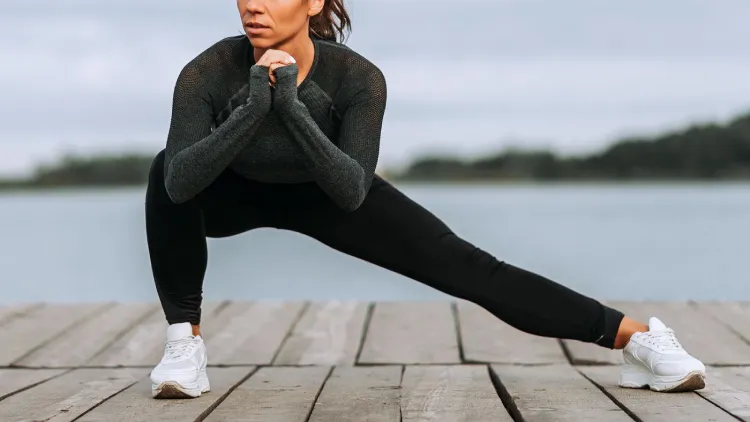
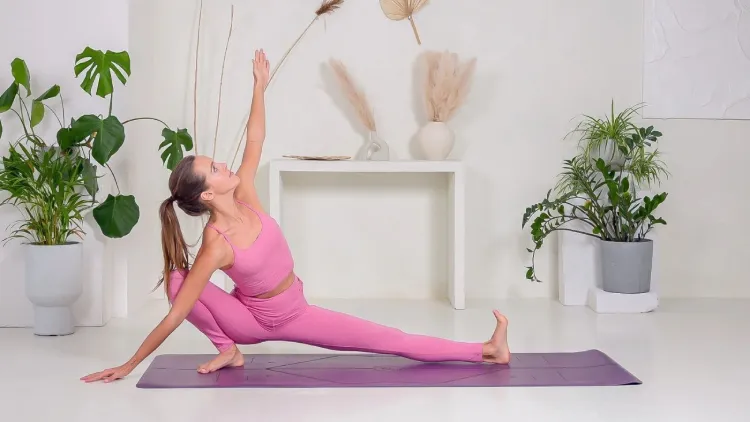
Lateral lunges, or actually side lunges, are a strong version of the traditional lunges, during which you move sideways rather than forward or back. This oblique movement activates some muscles that are rarely put into action, e.g., inner thighs and glute medius. Side lunges (exercising the lateral plane) also enhance balance, coordination, and hip flexibility; all the key elements of functional fitness.
Side lunges are also essential because they will fix muscle imbalances, enhance stability, and strengthen your hips, which is why they are items you must have in your routine, regardless of beauty and preventing injuries.
How do muscles work in Side Lunges?
The compound exercise that uses several muscles in the same exercise is the side lunges.
The contribution made by each muscle is shown here:
- Gluteus Maximus and Medius: These make the buttocks lift, and they shape them as well as provide hip movement and strength during the return movement.
- Quadriceps: Bend forward and push back, working to develop strength and tone in the front thigh.
- Hamstrings: Ensure that the knee joint is stabilised when lunging.
- Adductors (Inner Thighs): They give the side-to-side stability and strength.
- Core Muscles: Maintain that the body is straight with no imbalance, and enhance general coordination.
This muscle burner is due to its multi-muscle activity, which makes side lunges an effective method of tightening, strengthening, and stabilising the body in the lower part.
Benefits of Side Lunges
These lunges have many benefits, which are not only aimed at leg endowment:
Improves Hip and Glute Development:
The side motion is a way of working the glute muscles that make your hips lift and shape in order to make you have a rounder and curvier figure.
Enhances Balance and posture:
Unilateral motion also compels your body to make use of stabilising muscles, which enhance coordination and alignment.
Enhances Flexibility and Mobility of the Hip:
Side lunges will open up the hips and the inner thigh while trying to offset the tightness of sitting all day long.
Strengthens the Knees:
Training of the muscles surrounding your knees makes them stronger, making them more stable and less likely to suffer injuries.
Burns Fat and Increases Metabolism:
Since various muscles are involved, side lunges can burn fat and burn more fat burnt in case of combination with a healthy diet and cardio.
Enhances Sports Performance:
Lateral movements resemble those in real life, and they are employed in sporting activities, which increases agility and speed.
Builds Functional Strength:
The body strength developed by side lunges will help in supporting the daily activities of squatting, bending, and climbing stairs.
How to do side lunges
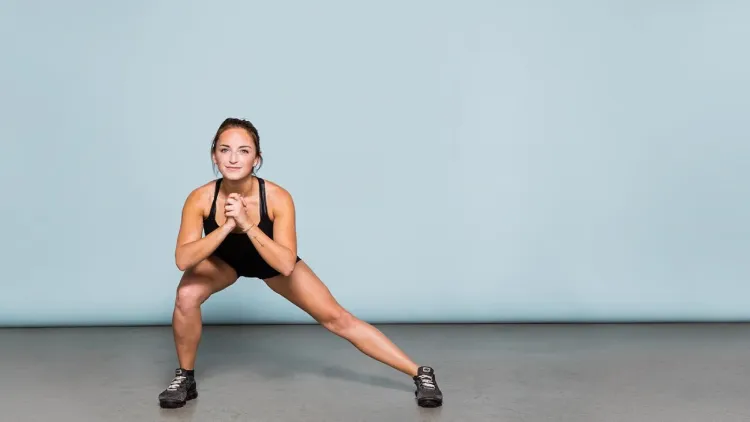
You have to do the side lunges in a correct manner that would result in maximum benefits and elimination of strain.
The steps to be followed to do it correctly are as follows:
- Start Position: Sit with feet hip-width apart, shoulders loose, and have a tight core.
- Step to the Side: Stepping forward, take a great step to your right, moving both feet forward and straight up.
- Lower Down: You need to bend your right leg back, push the hips away and leave the left leg straight. Your thigh to your right must be parallel to the ground.
- Return to Start: Take off using your right heel to get back to the starting point.
- Repeat: Repeat it on your left side to have one repetition.
Pro Tip:
Maintain an upright position of the chest. Use your central nervous system during the motion and have a better form.
Errors to be avoided in Side Lunges
Even minor missteps may restrain the development or result in harm. Be mindful of the following:
- Knee Toe Beyond: Raise your folded knee behind your toes in order to save your joints.
- Rounding the back: Have a straight back in the whole exercise.
- Uneven Weight Distribution: You must make sure to distribute weight evenly around the length of the working leg, but make sure it does not rest on your toes.
- Going too broad: It may result in too much strain and less involvement of the muscle.
- Omission of the Core Engagement: Core Stability and Controllability.
By holding proper posture and balance, you will be using your glutes, thighs and hips to the full extent on the side lunges.
Side Lunges vs Squats
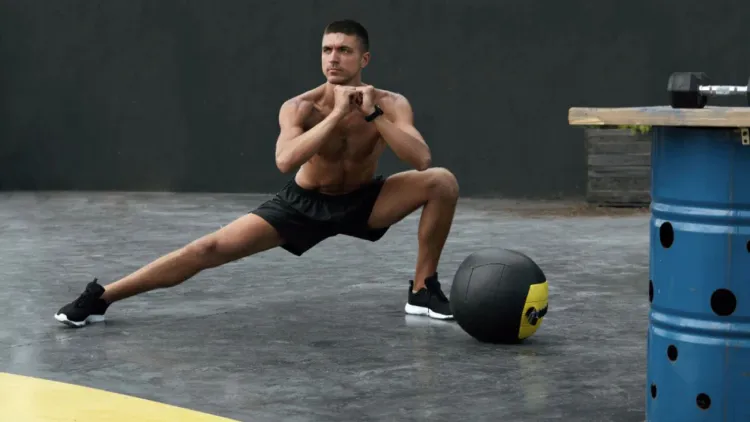
Although the exercises are used to exercise similar muscles, they are used to achieve different functions. The squats are mostly glutes, quads, and hamstrings, pull down and up, which is referred to as the king of all exercises.
Side lunges, however, act in a lateral direction, and work the muscles which the squats do not—the inner thighs and the outer hips. As squats are best for gaining power and mass, side lunges are concerned with building and slimming.
The mix of the two will produce a symmetrical leg workout that helps build strength and symmetry.
Do Side Lunges Build Hips and Glutes?
Yes, side lunges are extremely effective in terms of glute and hip exercises. The glute minimus and medius muscles, which are essential in making the hips rounder, are directly stimulated with the lateral movement. Doing them regularly would aid in filling out the hip region, giving it more contours and shaping flat or undeveloped buttocks.
The exercise is further enhanced by using resistance bands or dumbbells in pairing with side lunges, which enhances more muscle activity and speeds up the outcomes. That is why they are considered one of the best workouts to get curvy, strong, and balanced lower-body muscles.
Knee Strength, Fat Burning, and Flexibility
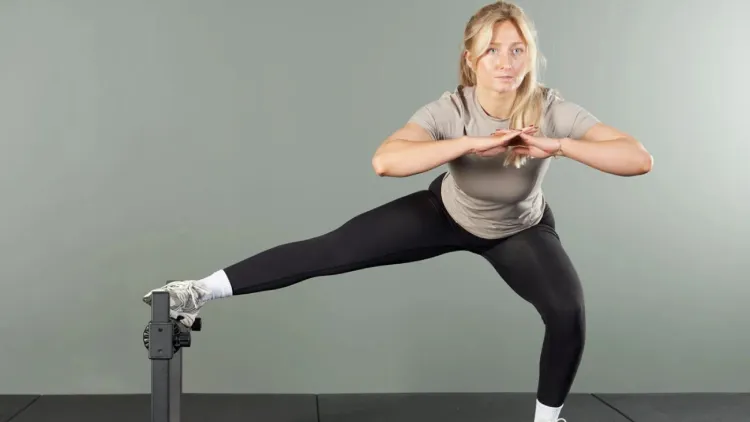
Side lunges don’t serve for beauty only: they also provide potent practical results:
- Fat Loss: The multi-muscle activity enhances calories burned off, and this burning off process occurs around the hips and thighs.
- Flexibility: All the reps will stretch the inner thighs and the groin region, enhancing your flexibility.
- Knee Support: The surrounding muscles are strengthened, which improves the health of the knee and decreases pain with time.
Due to these whole-body advantages, side lunches are usually prescribed to beginners and athletes who want to enhance performance.
How Long to Hold a Side Lunge
A lunge pose of 2-3 seconds will result in increased muscle involvement. To further consider the training, one may introduce a 5-second pulse or slow tempo. Such minor variations aid in the enhancement of time under tension that results in an optimal improvement of muscle tone and strength.
How to Build Curvy Hips and Strong Legs in No Time
Surgery side lunges can also be combined with such exercises as glute bridges, hip thrusts, and squats to maximise hip and glute growth. Such movements involve the development of all principal parts of the lower body in a more balanced and rapid development.
Progressive overloading, or by use of weights, bands or reps, improves muscle-building outcomes. To achieve optimal results, side lunges should be done 2-3 times a week in combination with a high-protein diet.
Conclusion
The side lunges are an ultimate workout for the functional, sharp, and curvy lower body. They also shape glutes, make the thighs stronger, more balanced and fat burning–and also increase the hip flexibility and stability. Granted that you are either training to hit the running field or you may just be intending to tighten up the hips and legs, side lunges are an essential exercise in your exercise regimen.
This will be done in the shape of side lunges, and with every repetition being taken properly, you will probably see a significant change in muscle tone, posture and confidence.
Frequently Asked Questions
1. Which is better, side lunges or squats?
The side lunges are more effective in working the inner thighs and hips than the squats, hence it is a great complementary activity that should not be substituted.
2. Are side lunges increasing hip width?
Yes, they are useful in developing the outer glutes and the hip muscles to make the hip appear rounder and bigger with time.
3. What is the frequency of side lunges?
Do side lunges 2-3 times per week, and one should have rest days between them so that the muscles have time to rest and develop.
4. Are side lunges a substitute for squats?
Not entirely. Side lunges develop flex and strength of the hips, whereas squats develop bulk and strength. The inclusion of both makes sure that the lower part develops to the fullest.