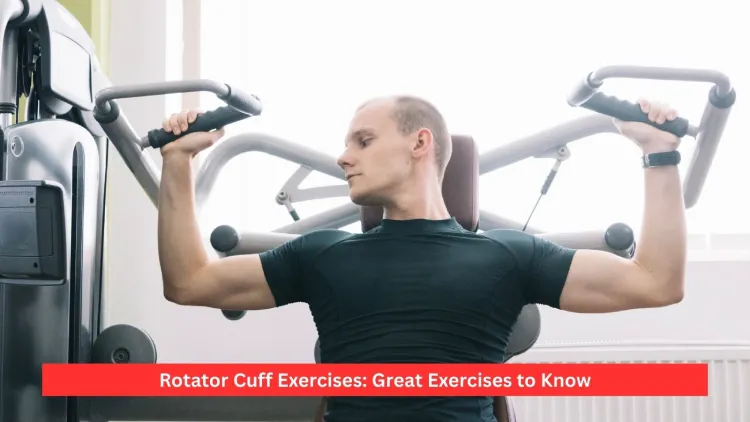

Rotator cuff exercises are very crucial to keep the shoulders stable and avoid injury, as well as help in recovering from pain or minor tears. These exercises are focused on the small yet essential rotator cuff muscles that aid in improving mobility, reducing inflammation, and providing back strength. General masochism notwithstanding, an injury, tendinitis, or just a desire to maintain good shoulder health can vastly accelerate recovery, prevent injuries and can be greatly enhanced by a carefully planned program of low-load, controlled motion.
- Learning the Rotator Cuff Exercises and Their Significance
- Major Principles in Rotator Cuff Training
- External rotation using a resistance band
- Internal Rotation using Resistance Band
- Scaption Exercise
- Prone T Raises
- Wall Angels
- Dumbbell External Rotation (Side-Lying)
- Shoulder Blade Squeeze
- Rotator Cuff Recovery Tips
- Symptoms: You could have a Rotator Cuff Injury
- Attaining a Faster Recovery.
- Development of a Home-Based Rotator Cuff Program
- Conclusion
- Frequently Asked Questions
Learning the Rotator Cuff Exercises and Their Significance
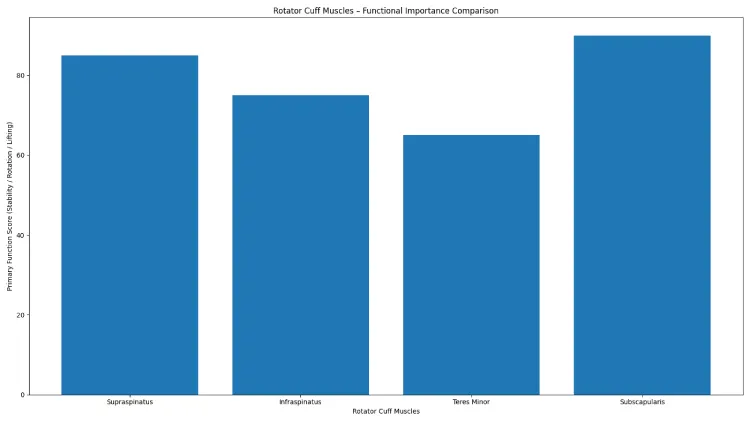
The rotator cuff consists of four muscles, namely supraspinatus, infraspinatus, teres minor, and subscapularis. These muscles help in holding the joint of the shoulder stable and also provide a host of movements, such as being able to raise your arm and throw it up to the sky, as well as to swing your shoulder in various ways. The rotator cuff muscles are susceptible to strains, tendinitis, and tears because these muscles are small and would more likely be overused, resulting in such conditions in athletes or individuals who engage in repeated overhead movements.
Rotator cuff exercises are a part of my workout that strengthen these muscles, improve posture, and increase the stability of the joints. Rotator cuff strengthening and conditioning can also make the difference between pain, faster healing of injury, and long-term complications, which could prevent surgery altogether.
Major Principles in Rotator Cuff Training
It is worth noting that before embarking on any exercise program, you should follow these principles:
- Warm-up: Circles with the arms, shoulder turns, or other light cardio activities bring more blood to the shoulder and minimise the possibility of injury.
- Manipulation of load: Low weights and a large number of repetitions are better than heavy lifting of small muscles such as the rotator cuff.
- Consistency: Rotator cuff exercises should be done 2-3 times a week, and this is the most effective way to do it.
- Pain-inducing movements should be avoided: Sharp or shooting pain will be a signal that you are putting the shoulder into extra strain.
Through these principles, you are sure to do exercises safely, and you also lower the chances of worsening an existing injury.
External rotation using a resistance band
Target muscles: Teres minor and infraspinatus.
How to do it:
- Fasten a resistance band to a permanent object on the waist.
- Box sideways with the band that is furthest away from the anchor.
- Have your elbow formed at right angles and pulled in.
- Turn your forearm in the opposite direction of your body with your elbow next.
- Gradually make it back to the initial position.
- Repetitions: 2–3 groups, 12-15 reps each arm.
The exercise is very effective in eliminating pains that are the result of rotator cuff strains and may be used in regaining mobility within a short time. It does not involve any operations and may be taken by people who do not want to use operations because it is easy enough to strengthen the muscles without overstraining them.
Internal Rotation using Resistance Band
Target muscles: Subscapularis.
How to do it:
- Fasten the band to a counter at the waist.
- Get with the band at the hand nearest to the anchor.
- Hold your elbow at 90° and push it against your side.
- Pinch the band towards your stomach.
- Gradually follow back to the initial point.
- Repetitions: 2-3 sets with 12-15 reps in each arm.
Much needed in internal rotation exercises is the stability of the whole shoulder in general and the prevention of tendinitis. They also minimise the chances of compensatory movements, which mostly lead to more shoulder injuries.
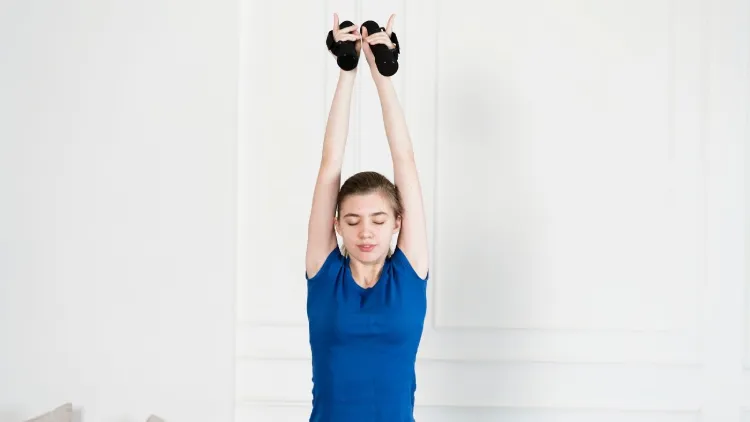
Scaption Exercise
Target muscles: Supraspinatus.
How to do it:
- Get hold of light dumbbells in both hands (at your side).
- Bring your hands up and confront your body at 30 45 degrees.
- Raise to the height of your shoulders and point your thumbs upwards.
- Return the arms progressively downward.
- Repetitions: 2–3 sets of 10–12 reps.
Scaption exercises are also good for restoring power in the weak or partially damaged rotator cuff. They assist in the normalisation of the range of motion and may help avoid stiffness, particularly among people who complain of pain in the shoulder during sleep or in doing any overhead activity.
Prone T Raises
Target muscles: Middle and lower trapezius, shoulder stabilisers.
How to do it:
- Lie face down on a bench or on the floor with arms spread out to create a T.
- Grasping both shoulder blades, lift both arms off the floor.
- Return the arms progressively downward.
- Repetitions: 2–3 sets of 12–15 reps.
This practice will aid in the remedy of postural problems that cause pain in the rotator cuffs. It is especially helpful for those who find get uncomfortable with bad sleeping habits or desk work.
Wall Angels
Target muscles: Rotator cuff and stabilisers of the scapula.
How to do it:
- Lean against a wall with your back, with your feet several inches away.
- Lie your back, shoulders, and your head against the wall.
- Put your hands across in a goalpost.
- Gradually move your arms back up and down, touching the wall.
- Repetitions: 2–3 sets of 10–12 reps.
Wall angels are not strenuous and very effective when it comes to enhancing shoulder motion and easing stiffness. Also, they help to achieve a better posture, and this can mitigate strain on the rotator cuff in the long term.
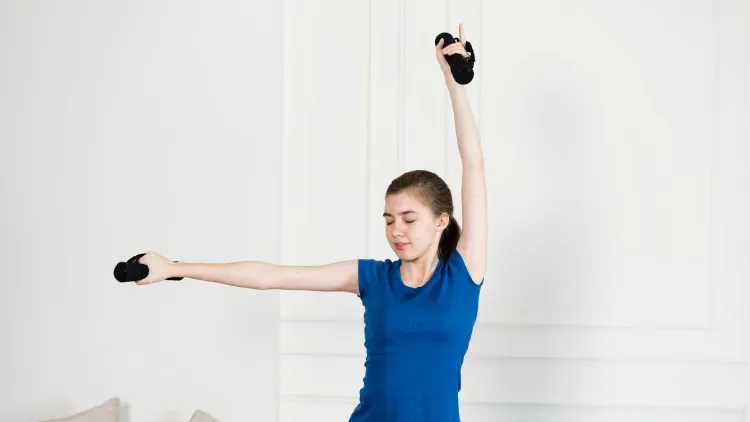
Dumbbell External Rotation (Side-Lying)
Target muscles: Teres minor and infraspinatus.
How to do it:
- On your side, with a small dumbbell in your higher hand.
- Hold your elbow at 90° and push it against your side.
- Turn the forearm upwards and slowly back.
- Repetitions: 2-3 sit-ups, 12-15 reps every side.
This exercise is ideal for recovery and strengthening programs at home. It is safe even in case of mild tears or tendinitis, and it can help a person to heal faster without needless surgery.
Shoulder Blade Squeeze
Target muscles: Scapular stabilisers.
How to do it:
- Sit or stand erectly.
- Bring your shoulder blades together and hold on to them for 5 seconds.
- Release slowly.
- Repetitions: 2–3 sets of 15–20 reps.
Shoulder squeezer exercises help to strengthen the rotator cuff supporting muscles. It also minimises the chances of services of compensatory movements that may increase the severity of the shoulder pain.
Rotator Cuff Recovery Tips
- Rest vs Activity: Control exercise works best in mild rotator cuff injuries as opposed to rest. Excessive idleness may result in rigidity and slow recovery.
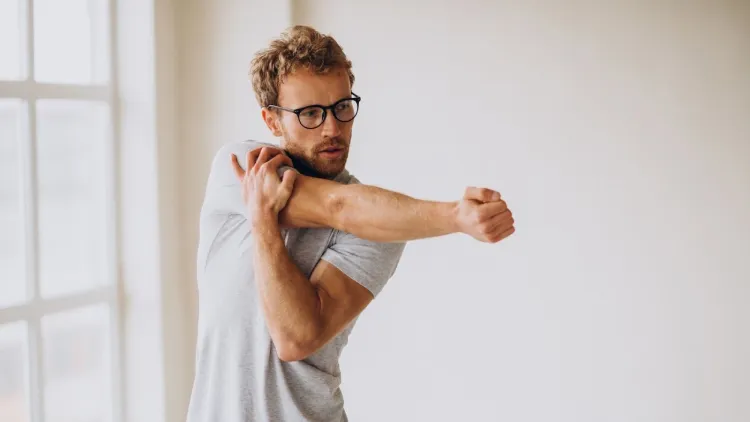
- Stretching: With Care, light stretching can help in easing tension; however, do not push the shoulder, which might result in acute pain.
- Pain Management: Ice should be used after a hectic activity to offset inflammation, and heat can be used to overcome chronic stiffness. Use both as appropriate.
- Sleeping Position: Rest on your back or on the other shoulder to reduce the discomfort of the rotator cuffs. Lying on the injured shoulder should be avoided.
- Nutrition: Vitamins C and D are important, and they should be taken in sufficient amounts to promote the health and recovery of tendons. Lack of may also be a cause of shoulder pain.
- Avoid Intensive workouts: Shrugs that put excessive strain on the shoulder, like heavy overhead presses and incorrectly performed bicep curls, should be avoided in the recovery period.
- Massage Physical Therapy: Light massage and professional physiotherapy may increase the healing process, blood circulation, and scar tissue.
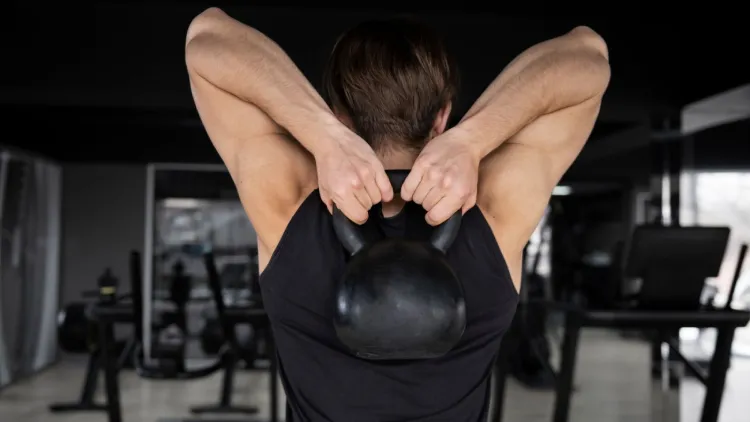
Symptoms: You could have a Rotator Cuff Injury
Being aware of the symptoms of rotator cuff problems is useful in the selection of appropriate exercises and the prevention of additional harm.
Common indicators include:
- Shoulder or arm pains near the upper arm are usually aggravated at night.
- Poor lifting and rotating strength of the arm.
- Limited amount of movement or ability to carry out daily activities, such as stretching to reach high places.
- Pops or clicks in the shoulder joint.
- When the symptoms end up being persistent even after mild exercises, it is important to visit a sports doctor to eliminate the possibility of tears or tendinitis in severe cases.
Attaining a Faster Recovery.
Rotator cuff or tendinitis recovery. Minor tears or injuries to the rotator cuff are healed through regular and carefully monitored exercises, which are coupled with lifestyle changes:
- Light Exercise: Walking, light arm movement- This is a type of activity that enhances circulation without straining the shoulder.
- Home Remedies: Anti-inflammatory, heat and ice can be used to help reduce pain and swelling.
- Gradual Strengthening: Weakly at first and then gradually increase the resistance of exercises as pain reduces.
- Avoid Overuse: Repeated overhead activities should be minimised until the strength and mobility are recovered.
In the case of more severe tears, non-surgical interventions tend to involve the combination of such strategies with the use of physiotherapy. Full-thickness tears which respond to conservative care are generally not the ones that are taken to surgery.
Development of a Home-Based Rotator Cuff Program
The following exercises can be used to create a simple workout every day:
Warm-Up:
- 5-10 minutes of arm circles or some light cardio.
Strengthening Circuit:
- External Rotation using Band: 12 times (one side of the body).
- External Rotation with Band: 12 reps on each side.
- Scaption: 10–12 reps
- Prone T Raises: 12 reps
- Wall Angels: 10 reps
- Side-Lying Dumbbell External Rotation: 12 reps on both sides.
- Shoulder Blade Squeeze: 15 reps
Cool Down:
- Light stretching of the shoulder and chest muscles.
Perform this 2–3 times per week. One should not overtrain, particularly after an injury; he/she should listen to any discomfort.
Conclusion
Shoulder health depends largely on rotator cuff exercises. They are effective in offering strength, stability, and mobility and in alleviating pain and avoiding injury. A systematic, regulated course of exercises, such as external and internal rotations, scaption, prone T raises, and wall angels, will help you heal minor injuries and enhance daily functioning and save surgery in most instances. These exercises provide a healthy and natural way to pain-free shoulders that are healthy and improve the posture, along with rest and physiotherapy, when necessary.
The most important thing is when it comes to consistency, patience and mindful execution; unfortunately, the rotator cuff muscles are tiny but powerful, and the correct exercises can be the only difference in performance and long-term shoulder health.
Frequently Asked Questions
1: What is the frequency of rotator cuff exercises?
The exercise is good 2-3 times a week to achieve the best results. It is better to be consistent than intense, and taking one rest day between sessions ensures that the muscles rest and no injuries are caused by overuse.
2: Do exercises of the rotator cuff relieve shoulder pain?
Yes. Light and performed exercises to flex the rotator cuff can strengthen the small stabilising muscles, enhance shoulder mobility, decrease inflammation, and in severe cases, cause a severe relief of strains or tendinitis.
3: Do I require any special equipment for rotator cuff exercises?
No. Most efficient exercises, including a shoulder blade squeeze, wall angels, and prone T raise, do not need equipment. Additional gradual strength training can be given using resistance bands/light dumbbells, but it is optional among beginners.
4: Am I able to treat a rotator cuff injury without an operation?
Most of the mild to moderate cases can be treated by non-surgical recovery. Strength and mobility. Non-surgical rotator cuff exercises, good rest, stretching exercises, physiotherapy and managing pain with ice or heat will bring back strength and mobility.