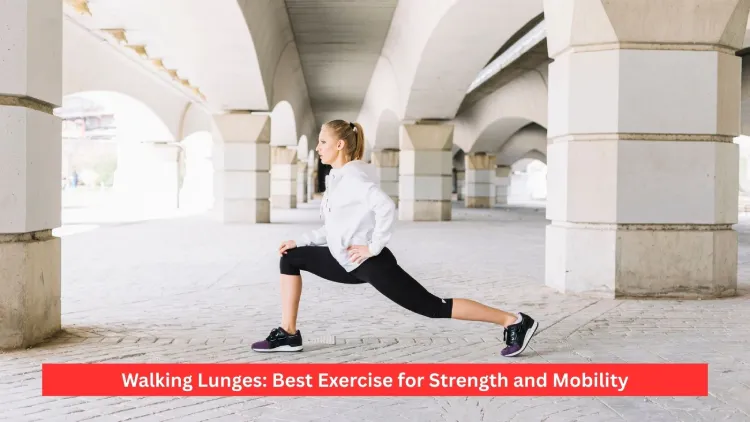

Walking lunges are an extreme lower-body workout which strengthens the legs, butt, and core, improves balance, increases hip mobility, and assists in functional fitness. They are ideal for muscle building, sports performance, and even hormonal regulation and make a good supplement to any physical fitness program.
- Muscles Worked
- How to Perform Correctly
- Variations to Intensify Walking Lunges
- Benefits of Walking Lunges
- Walking Lunges vs Other Leg Exercises
- Common Mistakes and How to Avoid Them
- Sample Walking Lunges Workout Plan
- Frequently Overlooked Benefits of Walking Lunges
- Integrating Walking Lunges Into Your Fitness Routine
- Nutrition and Recovery
- Walking Lunges for Longevity and Functional Fitness
- Final Thoughts
- Frequently Asked Questions
Muscles Worked
Walking lunges are not exercises one takes lightly. They work multiple muscle groups simultaneously and provide an effective, efficient foundation of strength.
Quadriceps
Quadriceps are the muscles at the anterior side of your thighs, which perform a lot of work with the walking lunges. The quads must stabilise your leg as you rotate into the lunge with each incremental step by knee extension. Proper quadriceps are needed when trying to run, jump, and even when trying to climb stairs.
Glutes
Walking lunges are outstanding in glute contractions. The gluteus maximus labours to take you forward on each lunge through the concentration of the gluteus medius as it forms the stabilisation of the hips and the pelvis. This renders walking lunges as one of the best exercises for the natural shaping and strengthening of the glutes.
Hamstrings
The hamstrings are at the back of the thigh, and they assist in the hip extension of the thigh, and also assist in the correct posture during the lunges. Knee stability is another category that requires walking lunges as an effective activity in terms of both strength and injury prevention.
Calves
Ankle and foot stabilisation is done by the calf muscles with every step. Although it is not their main target, they get regular exercise and become more balanced and strengthened in the lower parts of their legs.
Core
Walking lunges are dynamic exercises which involve core stability. The abdominals and lower back are on constant watch to ensure that your torso is in a straight position, regulate motion and avoid wobbling. A good core will not only improve the lunges, but also the performance of other lifts and the daily routine.
How to Perform Correctly
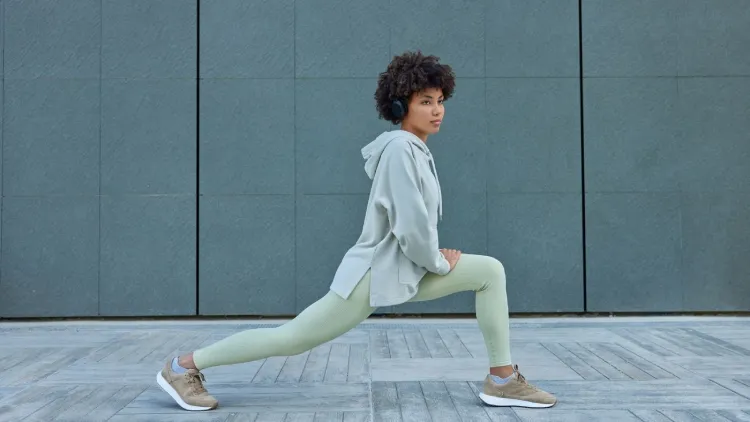
It is important to learn the correct technique to enjoy the benefits of walking lunges and not to get injured. Here’s a step-by-step guide:
- Start Posture: Stand erectly with feet hip-width apart. Use your core and stand in a neutral position.
- Step Forward: Control the right leg in a step with the right leg. Maintain your shoulders, not tense/tensing your chest high.
- Lower Your Body: Bend the knees to a 90-degree position. Bend your back knee so that it almost lifts up above the floor, and have your front knee facing the same way as your ankle.
- Push off and Step Forward: Use your front heel, and shoot up and take your back foot forward into the next lunge.
- Repetition: Walk forward, alternating legs in a controlled, deliberate manner.
Key Tips:
- An orthosis to care of the joint is not to allow your front knee to stretch beyond your toes.
- Sit erectly to ensure that the body does not strain the spine.
- Also, use your core and be able to balance.
- Be gentle; hurry does not improve the work out.
Variations to Intensify Walking Lunges
It can also be altered with the purpose of raising the intensity and working various muscles, as well as keeping the training process diverse.
Weighted Walking Lunges
Having dumbbells or a barbell also adds resistance and will hypertrophy. Carrying weights makes it difficult to stabilise the muscles and makes them stronger in general.
Walking Lunges with Twist
In the lunge, rotate your pelvis as your front leg to use the obliques. This can also enhance rotational muscles and mobility.
Reverse Walking Lunges
Take one step backwards rather than one step forward. This minimal stress on the knees and glute and hamstring activation.
Knee Drive Walking Lunges.
Lunge forward, push the knee that is at the rear. Such a difference improves balance, coordination and explosive strength.
Curtsy Lunges (Walking Style)
Lunge directly with one leg diagonally behind the other. This difference concentrates on the outer glutes, adductors and hips more than regular lunges.
Benefits of Walking Lunges
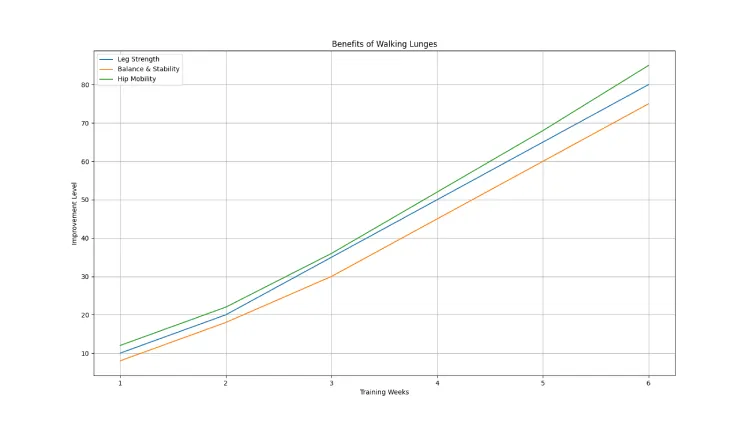
There are many advantages to walking lunges, which are a versatile and functional exercise in all aspects besides leg strength.
Lower Body Strength and Hypertrophy
The quad muscles, glutes, and hamstrings grow as a result of walking lunges. They work well in hypertrophy, particularly in the case of progressive overload by using weights. For persons who want to develop larger legs, activities such as squats, deadlifts, and lunges will form the middle strategy.
Hip Mobility
Each of the steps is done on the knee with the hip flexors while in the walking lunge position, which enhances the hips and increases their mobility and flexibility. This is why they are good preventive measures against stiffness, low risk of hip pain and continuous ability to move about as you grow older.
Glute Development
Many people famously have a hard time gaining glutes, but the walking lunges directly target them. Simply improving the prices of glutes: progressive resistance, deep lunges, and knee drive variations (including the curtsy or walking lunges) can quickly increase the size and strength of glutes.
Core and Stability
Walking lunges test your balance since you have to stand on one heel the whole time you move. The essence of engagement through the use of lunges helps in enhancing the posture, lessening the chances of lower back pain and enhancing the behaviour of other lifts.
Functional Fitness
Walking lunges resemble normal movement patterns such as walking, climbing and running. This is equivalent to better athletic performance, day-to-day mobility and decreasing the risk of injury.
Hormonal Support
Complex exercises such as walking lunges will help increase the release of anabolic hormones such as testosterone, vital in the building and repairing of muscles. Although they are not as effective as squats or deadlifts, lunges still help to create a hormonal environment that would be inclined towards gains.
Knee Health
When used properly, walking lunges will improve quadriceps strength as well as stabilise muscles around it, thereby decreasing knee pain in the long-term. They increase the stability of the joints and aid the functional movement without straining the knees to an unreasonable extent.
Walking Lunges vs Other Leg Exercises
Lunges vs Squats
The effectiveness of squats is so unusual that it is called the queen of all exercises. Squats enable you to use heavier weights and engage additional muscle mass, and stimulate strength gains.
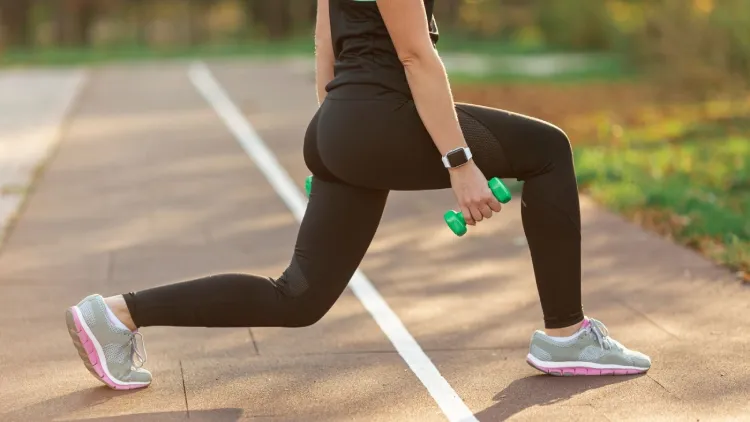
Walking lunges are, however, also associated with certain advantages:
- Balance and Coordination: Lunges demand unilateral strength and stability.
- Hip and Glute Activation: Forward movement has more emphasis on the glutes and hip flexors compared to the conventional squats.
- Joint-Friendly: Forward lunges may be kinder on the lower back and knees than heavy squats are.
Best Hip Enlarging Exercises
Walking lunges are also one of the best exercises to develop the glutes and hips. Together with glute bridges, hip thrusts and step-ups, they make sure they grow to their maximum and become shaped.
Building Muscle at Any Age
The muscle development is slowed down with age, after 50-60 years, as a result of hormonal variations and reduced protein synthesis. Walking lunges are also efficient even among geriatric patients, provided that they are performed with sufficient resistance and quality form. Protein-rich foods and muscle-supportive vitamins (such as vitamin D and calcium) should be used to complement lunges to improve the outcomes.
Common Mistakes and How to Avoid Them
Walking lunges require appropriate implementation to provide the most benefits.
Common mistakes include:
- Knee Tracking Inward: It makes the joint strain when it is not necessary; maintain a good posture by keeping toes and knees in line.
- Leaning Forward: Minimizes the glute stimulation and could cause lower back strain.
- Short Steps: Complete restriction of motion makes it ineffective.
- Rushing: Dysfunctional balance and stability; take control of each step.
- Failure to Engage Core: core Weakness leads to a decrease in stability and may contribute to an injury risk.
Sample Walking Lunges Workout Plan
The following is a progressive lower-body exercise that involves walking lunges:
Warm-Up: 5-10 minutes of active exercise through dynamic stretches and light cardio.
Workout:
- Walking Lunges: 4- sets of 12-15 per leg (using or without dumbbells).
- Reverse Lunges: 3 sets of 12 repetitions of each leg.
- Curtsy Lunges: 3 x 12 each leg.
- Glute Bridges or Hip Thrusts: 4 sets of 12-15 reps.
- Step-Ups: 3 rounds of 10-12 reps on each leg.
- Cool-Down: Stretch quads, hamstrings, glutes, and hip flexors 5-10 minutes.
Progression Tips:
- Put on weight slowly with the help of dumbbells or a barbell.
- Increase the distance of walking so as to test endurance.
- Include a torso twist to exercise obliques.
Frequently Overlooked Benefits of Walking Lunges
Walking lunges do not merely add to size and strength. They enhance practical well-being, uphold hormonal balance and increase longevity. Along with other advantages, there are:
- Better Posture: Well-built glutes and core would assist in keeping upright.
- Less Muscle Wasting: Lunges are especially useful among older adults in order to maintain lean muscle mass.
- Improved Metabolism: Multi-joint exercises, such as walking lunges, are performed better when the compound walking lunges aid in burning more calories and help in the process of fat burning.
- Hip Stability: Mobile hips are strong and decrease the chances of injuries to the lower back and hip.
Integrating Walking Lunges Into Your Fitness Routine
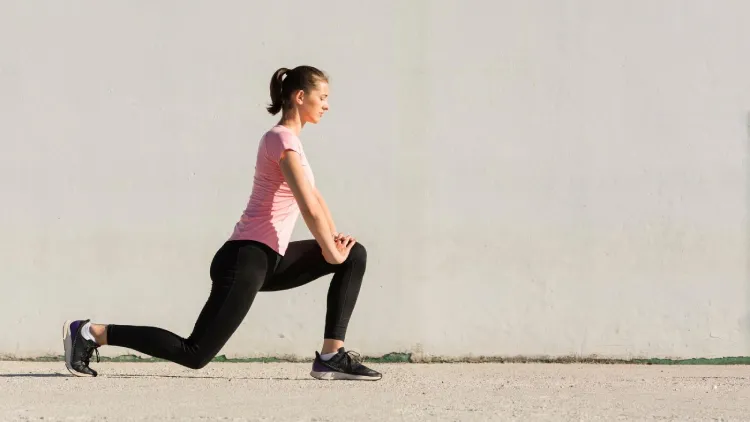
Walking lunges are diverse and can be included in any lower and/or full-body training.
They can be performed:
- As a primary strength exercise: Heavy weights are to be used in terms of hypertrophy and progressive overload.
- As a Warm-Up or Mobility Drill: Take the light body weight lunges, and this warms the muscles and increase hip extension.
- Working as a Finisher: Walking lunges may be carried out in high reps to help increase endurance, burn calories and work stabilising muscles.
Walking lunges should be done in combination with other supplementary exercises, including squats, deadlifts, hip thrusts, and step-ups, in order to achieve the best outcomes.
Nutrition and Recovery
It has been demonstrated that proper nutrition and rest aid in muscle development and improved mobility through walking lunges:
- Protein: Lean meats, dairy, eggs, legumes, and protein supplements are a part of the muscle repair and help obtain hypertrophy assistance.
- Healthy Fats: Avocados, nuts, and fish are useful in hormone production, which includes testosterone.
- Micronutrients: Vitamin D and calcium for the health promotion of the bones and hips.
- Hydration: It is important to take enough water to avoid the occurrence of cramps and discomfoin of the joints.
- Rest: Have 48-72 hours in between strenuous exercises of the lower body to maximise rest and development.
Walking Lunges for Longevity and Functional Fitness
One exercise that is particularly beneficial to older adults is walking lunges to ensure they are strong, balanced and can remain active well into old age. In individuals aged 60 and above, it is possible to maintain muscle mass, bone strength and joint stability by doing walking lunges with resistance training (usually light) and eating right.
Hip and heavy butt muscles gained during walking lunges increase daily activities like walking up the stairs, standing up after sitting in a chair, or walking on a not-so-even surface. Balance and coordination are also enhanced through exercise and reduce the possibility of falling andaidingd general functional autonomy.
Moreover, walking lunges promote good knee and hip movements, which leave the person mobile with reduced stiffness. They enhance the stability of the core and the health of the joints and improve the posture and balance through quality-controlled natural movement that involves other muscle groups. This is why walking lunges is a convenient, efficient activity to prolong life, conduct functional fitness, and remain active and independent lifestyle.
Final Thoughts
One of the most effective workouts in terms of lower-body strength, development of hip mobility, and attainable functional fitness is walking lunges. You want bigger glutes, stronger legs, better balance, or it can be just time to keep your muscles as you get older. Walk lunges are a high-speed tool that can accomplish anything. Walking lunges can take up any fitness regime by just adding weight, altering its movements and using them alongside some complementary movements.
Walking lunges can help gain strength, as well as aid mobility, joint health, and long-term functional fitness, when they are properly executed, progressively overloaded, and taking compositions of recovery. They are dynamic, compound movements that indeed work the whole lower body and core, hence they require both a beginner trainee and an advanced trainee.
Frequently Asked Questions
1: What are the body muscles that walking lunges address?
The primary muscles involved in walking lunges are quads, glutes, hamstrings, and calves, and the core to stabilise and balance muscles.
2: Is walking lunging superior to squats?
Squats develop the general strength, whereas walking lunges enhance balance, hip motility and glute engagement. The two are most suited when used as a routine.
3: Does walking lunges improve hip movement and stability?
Yes. Walking lunges will open the hips, enhance flexibility, and strengthen muscles to make them better at balance and coordination.
4: How to use walking lunges to improve muscles?
Weight additions, range of motion, or variations such as curtsy lunges are specific variations that enhance glute and leg growth.