

A combination of shrugs, rows, carries, pulls and controlled activation exercises is the most effective one for the trapezius muscle. Being able to train all three parts, including upper, middle, and lower, reduces tightness, neck and shoulder pains, improves posture, avoids headaches associated with tension, and develops visible upper-back strength. The correct choice of exercise, their arrangement, recovery, and sleeping positions are as crucial as weight lifting.
What is the Trapezius muscle?
One of the most dominant upper-body muscles is the trapezius muscle. It is crucial in the shoulder movements, neck stability, posture and the upper-back strength. Properly trained in a series of exercises, the trapezius muscle can be helpful in painless movement and athletics as well as a healthy physique. Being neglected or overworked, it is most likely to be tight, painful, and a frequent cause of neck tightness, headaches, pains in the shoulders and even sensations in the ear.
This handbook is completely dedicated to the exercises and training techniques of the trapezius muscle. It elaborates on the choice of exercise, volume, set-up, rest and lifestyle provisions, which are direct contributors to the trapezius muscle performance-wise and feel-wise.

Upper Trapezius Exercises
The exercises involving the upper trapezius focus on the ability to raise the shoulders and withstand the load. This part responds to why some movements can be identified as the most successful and how they can be applied without bringing undue tension.
1. Dumbbell Shrugs
A dumbbell shrug has been among the more sure-footed exercises for the trapezius muscles. They permit a free variety of movement and do not overstrain the joints as compared to fixed-path machines.
The way it is performed is more important than the weight. When it is raised slowly, smoothly and with a small pause in the top posture, it activates the trapeze muscle much better as opposed to bouncing heavy dumbbells. This exercise has been attributed to being the most feasible movement for developing a visible trap size when exercised regularly.
Training notes:
- The neutral grip decreases the strain on the neck.
- Inhale through the top in order to relieve tension.
- Do not forward roll the shoulders.
2. Barbell Shrugs
Barbell shrugs can be loaded more and claimed to be the king of motions that pure trap is overloaded with. Their usage is optimal in the case of strength-oriented areas of the trapezius muscles.
The key is the bar path. Having the bar close to the body helps in ensuring that there is no overstraining of the neck and also helps in enhancing muscle involvement. Trapezius strain is one of the quickest formed by excessive load which is not controlled.
3. Trap Bar Shrugs
Trap bar shrugs give a more balanced weight lifter, and in most instances, trap bar shrugs are easier to utilise, especially when dealing with lower-back or postural exhaustion. They continue to work the trapezius muscle to an extreme, but it encourages an upright posture.
This rejoining activity is of particular benefit to lifters having constriction of the neck when using straight-bar shrugs.
4. Farmer’s Carry
The carries by Farmer work the trapezius muscle by perpetual tension instead of repetition. It is among the best exercises to develop real-life trap body and power.
The excessive tension is also prevented in the long term by loaded carries, as they increase endurance, which is crucially needed by individuals who have to deal with desk positions or shoulder repetition.
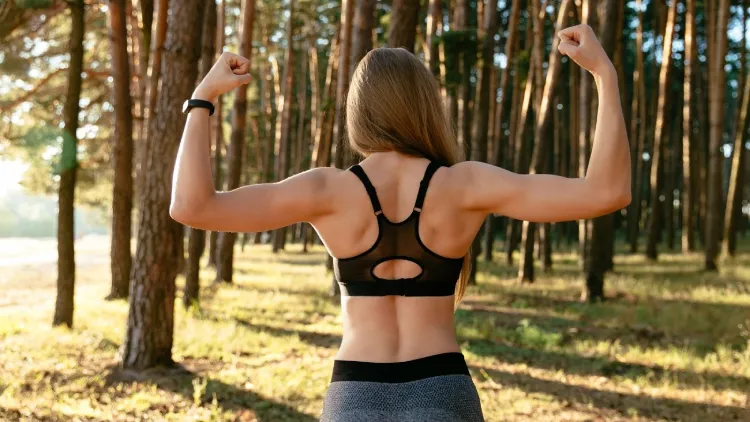
Middle Trapezius Exercises
The exercises involving the middle trapezius aim at postural control and scapular retraction. This is weak as a weak cause of neck and shoulder discomfort.
5. Seated Cable Rows
When done with purpose, seated cable rows are a strong exercise for the trapezius muscle in the body. The triggering of the movement should be with the arm of squeezing the shoulder blades, but not pulling.
This exercise is used to reverse the implications of rounded shoulders and assists in providing long-term neck comfort.
6. Bent-Over Barbell Rows
Bent-over rows tax the trapezius muscle without straining the spinal column, and stability is required. They perform well, particularly when the angle of the torso is maintained over the set.
The correct configuration by using a neutral spine, corebracingd and tempo control will avoid any strain when not necessary.
7. Pull-down Dumbbell Rows on the Chest.
This oscillation eliminates momentum, and the trapezius muscle works independently. It is best during the process of recovery or when overall fatigue is to be decreased.
Compensatory neck tension is also restricted by chest support, and that is why this exercise can be of use to an individual with a tendency to headaches caused by tight traps.
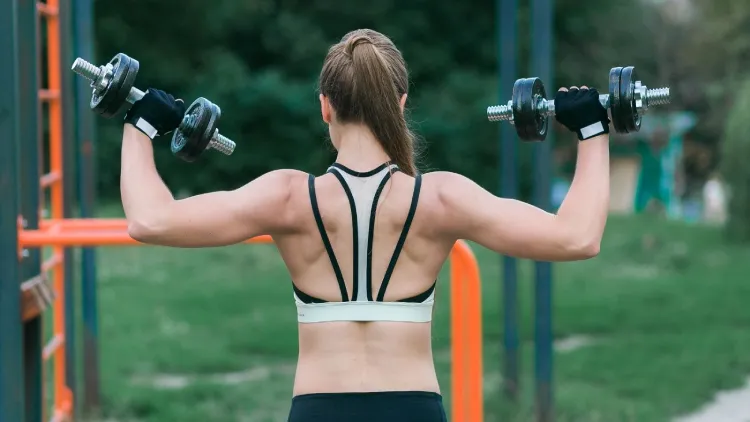
Lower Trapezius Exercises
Most people ignore lower trapezius exercises, but these are significant in terms of the earlier shoulder comfort and long-term neck health.
8. Face Pulls
One of the best exercises that a person can have regarding preventing pain is face pulls, which target the trapezius muscle. They develop the traps by means of controlled retraction and outer rotation.
Consistent face pulls will counter heavy pressing exercises and are often suggested when a person does not feel well in the shoulder blade or has some pain or discomfort due to tension.
9. Prone Y Raises
The prone Y raises are used to activate the lower trapezius muscle, and a minimum load is applied. They are particularly very helpful to individuals who have difficulties with tightness, stiffness, or lack of control of the shoulder.
These are to be done gradually and lightly.
10. Incline Dumbbell Y Raises
This continual development provides resistance coupled with control. It tightens the trapezius muscle in the postures that facilitate upper body motion and headset stability.
11. Overhead Shrugs
The trapezius muscle is drawn lazily against gravity through overhead shrugs. This activity will enhance better shoulder control and avoid over-shoulder-trap control.
Its best application is in low and moderate loads.
Trapezius Exercises that are Bodyweight. Trapezius exercises are beneficial in terms of recovery, for beginners, and those who deal with tightness through the use of body weight.
12. Scapular Pull-Ups
Scapular pull-ups use the trapezius muscle and do not involve the movement of the elbow. He or she enhances the control of the shoulders and minimises unnecessary tension in the neck.
13. Wall Slides
Wall slides promote the right shoulder mechanisms and involve muscle activation in the middle and lower trapezius. They are aimed at easing stiffness and enhancing posture.
Sample Trapezius Workout Program
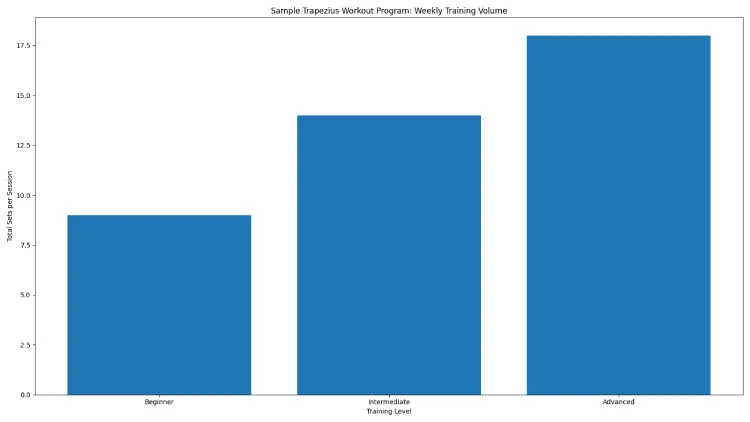
A healthy schedule is a response to the question of the number of exercises required. The majority of individuals gain advantages of 3-6 exercises concerning the entire trapezius muscle per session, based on intensity.
Beginner Routine
- Dumbbell Shrugs – 3×12
- Seated Cable Rows – 3×12
- Face Pulls – 3×15
Intermediate Routine
- Barbell Shrugs – 4×10
- Bent-Over Rows – 4×10
- Incline Y Raises – 3×12
- Farmer’s Carry – 3 rounds
Advanced Routine
The most suitable frequency of training in the muscle trapezius is 2-3 times per week.
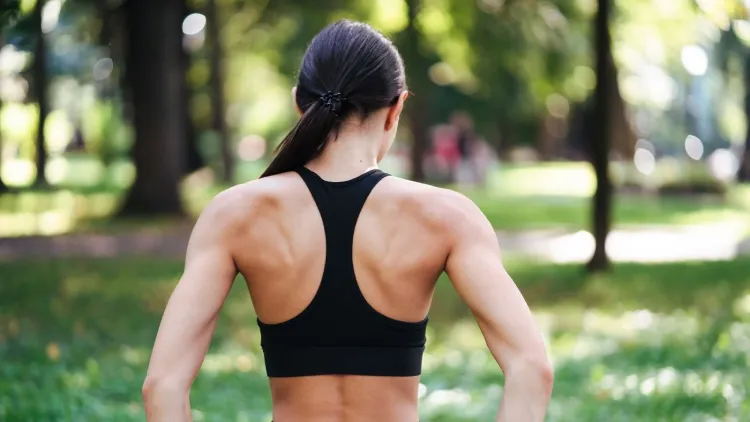
Trapezius Muscles Exercises Training Advice
Proper installation and restoration are required. One of the major causes of trapezius strain is poor form.
- Do not be too shrugging in rows.
- Maintain a horizontal posture of the neck in all the lifts.
- Gradually increase the intensity of overload.
- Respect recovery days
- Overtraining Signs
The common indicators of overtraining the trapezius muscle are persistent tightness, lack of strength, enduring soreness, headaches or stiffness of the neck.
Treatment of Tightness With Exercise
Light activation exercise training, gentle movement and controlled breathing can be used to loosen the rightserector spinae muscle. Wall slides and face pulls exercises, together with light carries, are some of the exercises usually the quickest in alleviating discomfort.
Controllable movement is the best way to self-release, rather than one that involves aggression.
Recovery, Sleep and Lifestyle Factors
Sleep posture is sensitive to the trapezius muscle. Tension is often caused by lying beside with a low pillow height, or sleeping on the stomach. The proper position of the night sleep that is neutral with the proper neck support avoids nighttime stress on the muscle.
Unevenly compressing pillows may also irritate the trapezius muscle and the nerves around it at times, thus contributing to feelings of pinching ears or stiffness on rising out of bed.
Nutrition and Muscle
The muscular tension is determined by the mineral balance. Magnesium is involved with muscle relaxation and muscle recovery, and magnesium deficiencies or some of the B vitamins can lead to tightness and pain. It may have such symptoms as muscle cramps, stiffness, fatigue, and poor recovery.
Proper training volume coupled with food-based recovery contributes to the health of trapezius muscles, and supplements only will help.
When Exercise Isn’t Enough
The pain in the trapezius muscle, which does not improve with exercises and persists, should be evaluated. Physicians of sports medicine, orthopaedic specialists, or physical therapists are often involved in treating the problems of the trapezius.
Some red flags are extreme rigidity, acute weakness, neuromuscular or pain that radiates with numbness.
Special Considerations
No strain should be claimed, and the routine of gentle upper-back activation by exercises like wall slides and supported rows may alleviate shoulder aches in pregnancy, too.
Strain on the tight trapezius muscle can occasionally cause some cases of headache, nausea, or ringing sensations because of continuous irritation of the nerves. These symptoms are often minimised with time through the use of balanced exercises and posture correction.
Final Thoughts
The trapezius muscle is best acted on through smart training, which is balanced, instead of being overloaded. It is the size-making exercises of the shoulders that can be referred to as Shrugs, whereas the rows, the pulls, the carries, and the controlled activation exercises that maintain the muscle relaxed, strong, and functional.
Properly programmed exercises using the trapezius muscle relieve pain, maintain neck condition, improve posture, and strengthen the upper body. Attend to the quality movement, balanced volume, and steady recovery of the long-term outcomes.
Frequently Asked Questions
1. Which are the most effective exercises to strengthen the trapezius muscle?
Strug, rows, face pulls, farmer carry, and scapular-based exercises will be the best exercises to use to work the trapezius muscle. An upper, middle, and lower trapezius combination exercise makes sure that the strength is balanced, tightness is decreased, and the neck and posture are better.
2. What is the frequency of training the trapezius muscle?
The trapezius is capable of 2 to 3 times per week, with respect to intensity and recovery. The average training volume combined with adequate rest will help avoid overtraining, but will enable one to maintain the same strength and build muscle.
3. Is the trapezius muscle tightness the cause of either the neck or the shoulder pains?
Yes, the tightness of the trapezius muscle may lead to neck stiffness, pains in the shoulder blades, tension headaches, and loss of shoulder mobility. Exercise of the trapezius muscle, correct posture, and rest are suitable measures in order to alleviate these symptoms.
4. Do trapezius muscle bodyweight exercises help?
The scapular pull-ups and wall slides are among the bodyweight exercises that are useful in activating and strengthening the trapezius muscle, particularly in beginners, the recovery period or people who have to cope with tightness or discomfort.