
Leg curls are regarded as one of the best isolation exercises that can be used in strengthening hamstrings, enhancing knee stability, maintaining glute development, and balancing the lower body muscle strength. The exercise involves the posterior thigh muscles, training with controlled knee flexion and may be done on machines, resistance bands or on stability balls or with body weight variations. When done right, leg curls will improve thigh tightness, athletic performance, decrease the risk of injury and beautify the overall leg appearance. They can be used by novice trainees and those who are advanced in their training, can be customised depending on the different fitness goals, and are most effective when integrated with compound exercises like squats or hip hinges.
- What Are Leg Curls?
- The muscles involved in the Leg Curls
- Secondary Muscles
- The advantages of Leg Curls as an Exercise
- Types of Leg Curl Exercises
- Proper Leg Curl Technique
- Common Leg Curl Mistakes
- Beginner Leg Curl Workout Plan
- Medium Cordial Leg Curl Routine
- Advanced Leg Curl Training
- Leg Curls vs. other hamstring exercises
- Still, How Often do you do Leg Curls?
- Intensity of Tempo and Training
- Leg curl is a progressive overload exercise
- Stretching and Warm-up before Leg Curls
- Should Leg Curls Be Included in the Workouts?
- Sample Leg Curl workout in the lower body area
- The Leg Curl exercise Safety tips
- More Training Consumers to Improve Results
- Essentials of Raising Stronger Thighs or Glutes with Exercise
- Final Thoughts
- Frequently Asked Questions
What Are Leg Curls?
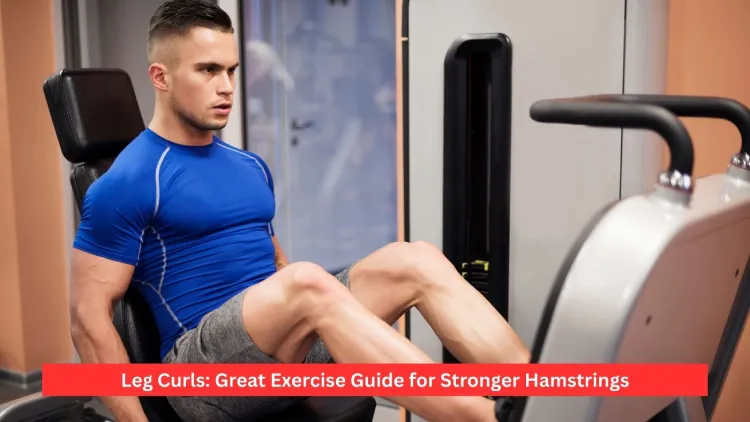
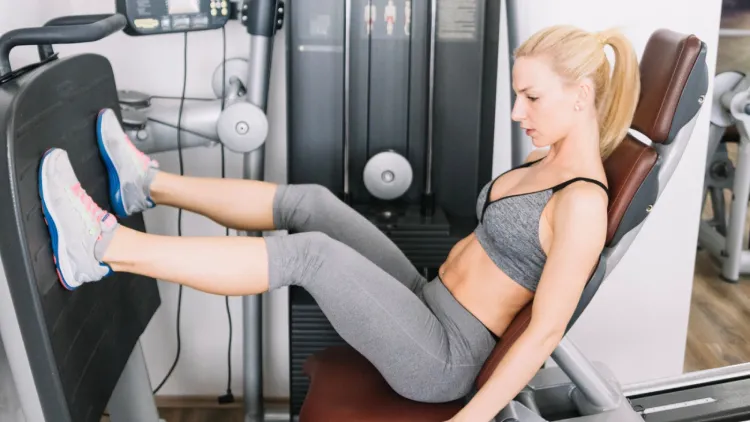
Isolation-based resistance exercises that are meant to train hamstrings, ankle leg curls iinvolveflexion of the knee against resistance. The movement is concerned with knee flexion t, which is mainly the action of the muscles at the back of the thigh.
As compared to the compound movements where many joints and muscle groups are used, leg curls enable one to put almost all stress on the hamstrings. This makes the exercise quite beneficial in balancing the muscles, enhancing the muscular control, and training the parts that are usually not exercised in conventional leg exercise.
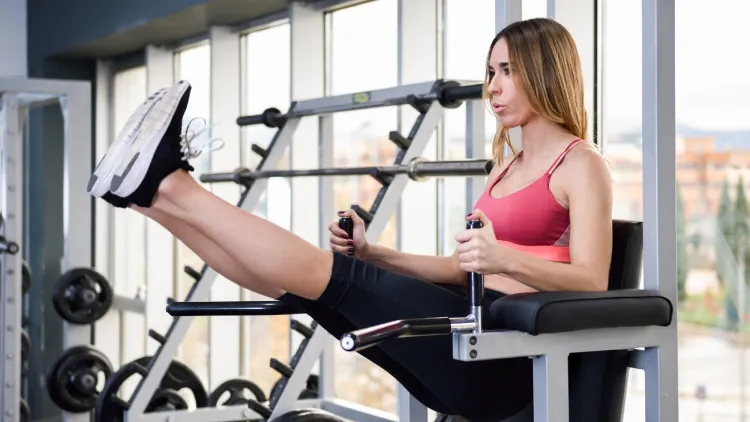
When a leg curl is performed, the lower leg will be pulled in the direction of the glutes, whereby the upper leg is kept relatively stationary. A machine, elastic bands, free weight,s or body weight construction can create resistance.
The muscles involved in the Leg Curls
The knowledge of the muscles involved during the leg curls allows us to understand why this exercise is the most widely applied in strength and conditioning programs.
Primary Muscles
The hamstrings are regularly divided into three large muscles:
- Biceps femoris
- Semitendinosus
- Semimembranosus
These are the muscles that will bend the knee and help in the extension of the hips. These structures are directly strengthened by a controlled contraction of the legs in the form of leg curls.
Secondary Muscles
Since leg curls are a hamstring exercise, they have some support muscles:
- Gastrocnemius (calf muscle, which helps in the flexion of the knee)
- Glutes stabilisationn role)
- Core muscles for posture
- Hip stabilizers
Since the hamstrings have the joints of the hip and knee, the strengthening of the hamstrings would enhance the coordination of various movements,s including running, jumping and lifting.
Poor lower-body mechanics, poor glutes and weak hamstrings are associated together. The frequent leg curls can be used to rectify this imbalance.
The advantages of Leg Curls as an Exercise
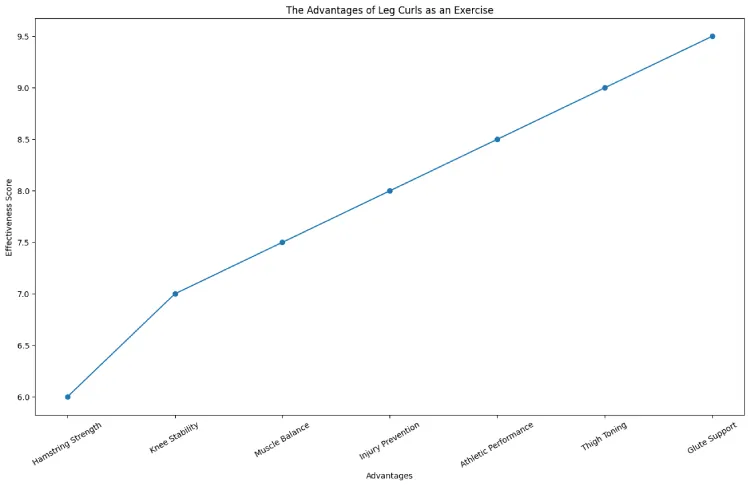
The benefits of leg curls as an exercise are varied and do not just concern muscle development.
1. Others Strength of Hamstrings
The possibility to isolate, as well as effectively work the hamstrings, is another key factor, which makes leg curls a part of exercise programs. Powerful hamstrings are an indicator of explosive power and controlled movement.
2. Improved Knee Support
Equal leg strength minimises the pressure put on the joint at the knee. Even the sensitive knee case can be appropriate, as the leg curls can be done properly and adjusted to suit the needs of people.
Under the right form of management,t such as taking care about resistance or range of motion, leg curls can potentially be used to stabilise a joint in conjunction with preventing its destruction.
3. Strong Thighs and Shredded Muscles
Regular exercise increases muscle tone and shape in the back and thighs. The leg curls are used to develop the thighs in a balanced manner rather than forward-leaning legs.
4. Increased Performance in sport.
Enhanced hamstring strength is better:
- Sprint acceleration
- Jump performance
- Deceleration control
- Direction changes
Leg curls help athletes minimise the risk of injuries and enhance the efficiency of their performance.
5. Glute Activation Support
Leg curls help in glute activity, though not a major activity,y as they help in strengthening muscles which are used in conjunctionwitho them. Efficient glute contraction during the compound lifts is made possible through healthy hamstrings.
6. Injury Prevention
Strains in hamstring can be caused by weakness or lack of balance. Frequent leg curls will enhance connective tissues and enhance resiliency.
Types of Leg Curl Exercises
Leg curls come in different variations which vary muscle emphasis, level of comfort and intensity of training.
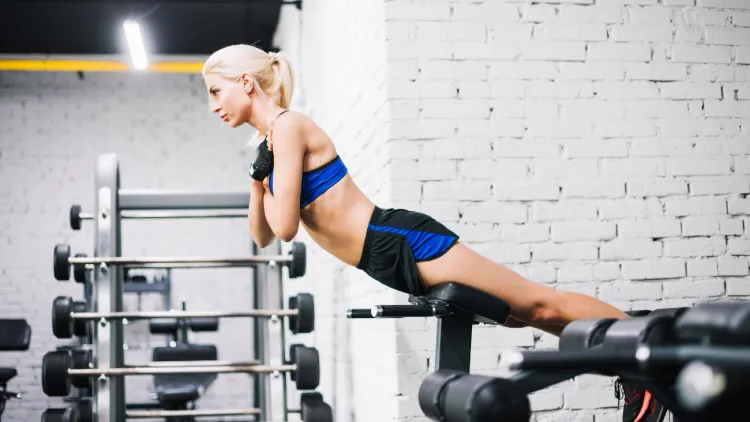
1. Lying Leg Curl
The white version is regarded as the typical one.
Execution:
- Lie face down on the machine.
- Position the ankles at weighed down lever.
- Hips should be pressed into the pad.
- uddle glutes with heel.
- Rest a little on maximum contraction.
- Lower with control.
This difference induces the greatest isolation of the hamstringes and it permits fine control of the resistance.
2. Seated Leg Curl
Leg curls in a seated position put the hamstrings at a more extreme stretch.
Steps:
- In an inclined position, back resting.
- Position the ankles beneath the pad.
- Curl legs downward.
- Return slowly.
Several trainees consider seated leg curls less painful to the knees and the lower back.
3. Standing Leg Curl
Performed one leg at a time.
Benefits:
- Manages the strength imbalance.
- Improves coordination
- Enhances muscle focus
Unilateral training enhances the nervous control and bilaterality.
4. Stability Ball Leg Curl
This variation activates the core and anterior chain.
How to perform:
- Bend your back flat on a stability ball.
- Lift hips upward.
- Pull the ball toward your body.
- Extend legs slowly.
It instigates equilibrium as well as fortifies hamstrings.
5. Resistance Band Leg Curl
Perfect for home workouts.
Leg curls without a machine using resistance bands mean that the exercise is very versatile.
6. Dumbbell Leg Curl
When you hold a dumbbell between your feet lying head down, it adds more difficulty,y and you have more control.
Proper Leg Curl Technique
The correct way of doing leg curls will make or break the exercise, depending on whether or not it gives results.
Setup
- Knees paint on the machine pivot point.
- Keep torso stable.
- Adjust the pad to ankle level.
Movement Execution
- Strauss slowly swings.
- Keep hips pressed down.
- Tug hamstrings on up topside.
- Lower weight under control.
Breathing
- Exhale during curl.
Breathing down conflicts with the deployment.
Proper form in performing exercises makes the hamstrings, and not momentum,m do the muscles.
Common Leg Curl Mistakes
Technical errors make a large number of people unable to reach results.
- Neglecting Eccentric Control: Excessive resistance changes the stress location of hamstring toward the opposite side.
- Neglecting Eccentric Control: Motivation decreases muscle exertion.
- Neglecting Eccentric Control: Repetitions cannot be completely performed.
- Neglecting Eccentric Control: Isolation is reduced by raised hips.
- Neglecting Eccentric Control: Extreme toe pointing invigorates recruitment.
- Neglecting EccentricControl: The decreasing phase is much more powerful; increasing speed causes a decrease in progress.
These mistakes are avoided, and effectiveness is increased significantly.
Beginner Leg Curl Workout Plan
Efficiency, more than weight,t should be used with beginners.
Suggested Routine:
- 3 sets
- 10–12 repetitions
- Moderate resistance
- 60–90 seconds rest
Begin with movements that can be controlled and which move gradually.
Novices tend to contemplate how to style hair. The solution is clear-cut: slow reps, complete range of motion and muscle awareness instead of loads.
Medium Cordial Leg Curl Routine
Once comfortable with form:
4 sets
12–15 reps
Controlled tempo
Add single-leg variations
The development of muscle is assisted by increasing time under tension without overstaining the joint.
Advanced Leg Curl Training
Intensity can be enhanced by advanced lifters by:
- Drop sets
- Slow eccentrics
- Paused contractions
- Hip-dominant exercises in super sets.
Diversity of training does not allow adaptation and encourages growth.
Leg Curls vs. other hamstring exercises
| Exercise | Primary Function | Type |
| Leg curls | Knee flexion | Isolation |
| Romanian deadlift | Hip hinge | Compound |
| Hip thrust | Glute focus | Compound |
| Nordic curl | Bodyweight strength | Advanced |
It is a question many people pose: whether squats are better than leg curls or vice versa. The solution is based on intent. Squats are the best exercise to work the lower body as a whole, a sport which is commonly referred to as the king exercise as it involves all body parts, and hamstring curls are the best exercise to strengthen the hamstring which cannot be enhanced totally through squats.
Both of the exercises do not contradict but complement one another.
Still, How Often do you do Leg Curls?
Frequency is dependent on the experience of training:
- Beginners: 1–2 sessions weekly
- Intermediate: 2–3 sessions
- Fully developed: It is a split routine-based.
Give time to rest so that the muscles can be rebuilt.
Intensity of Tempo and Training
Moderated pace enhances the activation of muscles.
Recommended tempo:
- Lift: 1–2 seconds
- Hold: 1 second
- Lower: 3 seconds
Slow eccentric contractions boost growth in the muscles.
Leg curl is a progressive overload exercise
The progress is in the form of a gradual rise in training demand.
Ways to progress:
- Add weight slowly
- Increase repetitions
- Extend time under tension
- Enhance the quality of contraction.
Even a slight improvement generates long-term benefits.
Stretching and Warm-up before Leg Curls
PCRA lowers the injury risk.
Effective warm-ups:
- Light cycling
- Dynamic leg swings
- Hip bridges
- Walking lunges
It is more efficient in warm muscles to contract during leg curls.
Should Leg Curls Be Included in the Workouts?
Leg curls benefit:
- Novices ttrainmuscle control.
- Players on the field are in better shape.
- Patients who fix the muscle imbalances.
- People seeking toned thighs
- Home exercisers using bands
Since adjusting resistance is possible, it creates the possibility of including leg curls safely for almost anyone.
Sample Leg Curl workout in the lower body area
- Squats – 4 sets
- Lunges – 3 sets
- Leg curls – 4 sets
- Hip thrusts – 3 sets
- Calf raises – 3 sets
Leg curls should be placed after the compound lifts so that the hhamstringscan get specific fatigue.
The Leg Curl exercise Safety tips
- Adjust equipment correctly.
- Avoid jerking movements.
- Maintain neutral spine.
- Use manageable resistance.
- Abort in case of sharp discomfort.
Leg curls are supposed to be difficult to control.
More Training Consumers to Improve Results
Well-developed hamstrings improve the performance of the lutes. Weak glutes are manifested in signs of poor posture, narrowed hip stability, and less lifting power. Leg curls assist in the strengthening of hamstrings, thus regaining functional balance.
In case an individual may desire to get better-shaped glutes or correct atrophic glutes, a combination of leg curls, hip thrusts, and bridges works very well.
The leg training is also sensitive to high and low repetition. The higher the weight, the more strength is developed, whereas moderate to higher repetitions develop endurance and body shape. Movement.
The choice of weight is based on the level of ability. An amateur will consider 20 kg difficult, and high-level trainees will need much more force. With the right weight, it is possible to obtain total control without losing shape.
The leg curls may be used either heavy or light, depending on the objectives:
- Average body weight to build muscles.
- Endurance, technique, lighter weight.
Heavyweight in strength advancements.
Essentials of Raising Stronger Thighs or Glutes with Exercise
The exercises that occur in increasing the size of the thigh are generally a combination of both isolation and compound. When the squats and lunges are made, the entire growth is enhanced, but the leg curls, on the other hand, build the back of the thighs, producing symmetrical leg proportions.
The rate of glute growth is the most rapid in cases where they receive training which involves:
- Hip thrusts
- Romanian deadlifts
- Leg curls
- Split squats
The inappropriate use of hamstrings or excessive quadriceps use, like overworking, is eliminated by balanced programming.
Glutes may not grow optimally by just being engaged in daily squatting in large volumes as a single type of exercise without adequate rest and exercise type diversity. Leg curls offer proper muscle focus that is needed as a result of isolation exercises.
Final Thoughts
Leg curls still possess one of the greatest values to the exercise used in the strengthening of the posterior thigh muscles, aiding the balanced growth of the lower body. Leg curls fill an important niche that cannot be filled by the compound exercises only and cannot be removed by the hamstrings isolation exercises, as they contribute to knee stability, help to activate the glutes and improve the performance of athletes.
Leg curls, when done with proper technique, the right amount of resistance and progressively, would ensure that the thighs are tightened, muscles become stronger, and the result of the movement is efficient. This exercise can be done on machines, bands, or using variations of body weights, whichever is most convenient, and it is flexible enough to fit almost any level of fitness.
Frequently Asked Questions
1. Should you use leg curls, or are they good when you are a beginner?
Yeah, leg curls are an easy-going exercise since they are a controlled motion and are learned very easily. Novices are recommended to begin with low- to medium-weight, slow-speed exercising and pay attention to correct form first and then increase resistance. The acquisition of technique initially assists in building strengthsafelyr, and eliminates the usual training errors.
2. Absolute? Are leg curls possible without using a machine?
Absolutely. Resistance bands, stability balls and sliders can be used, or dumbbells, to ensure leg curls can be done at home. These variations equally get the hamstrings worked, and are also a great substitute for those who are not able to access the gym equipment.
3. How heavy should leg curls be?
The optimal weight is determined by the level of strength. To have a good guide to follow, a load that will give 10-15 controlled repetitions with adequate form is the answer. The last couple of reps are supposed to be tough,h but not cause you to use your momentum and push your hips off the pad.
4. Do leg curls build the buttocks and thighs?
Leg curls mainly tighten the hamstring muscles, but also aid the development of the glutes through increasing the strength of the posterior chain. Tighter hamstrings can assist in enhancingglutes activity in other exercises that play a role in achieving a better tone of the thigh, muscle balance and general shape of the lower body.