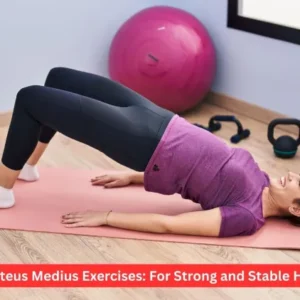


Kegel exercises are exercises that are very simple but very effective in strengthening the pelvic floor muscles of men and women. They enhance control of the bladder, sexual health, postpartum care, core stability and even lady hernias. They are accessible, multipurpose, and can be done in different poses and the use of devices such as Ben Wa balls or not. Their long-term benefits can only be enjoyed with the proper and timely practice.
- What Are Kegel Exercises?
- How to Find Pelvic Floor Muscles
- Kegel Exercises: The Usage of Kegel
- Variations and Positions
- Benefits of Kegel Exercises
- Common Mistakes to Avoid
- How Often and How Many
- Duration of Kegel Contractions
- Side Effects and Precautions
- When Kegel Exercises Should not be done
- Tools and Enhancements
- Kegel and Sexual Health-Effects of Kegels
- Signs of a Weak Pelvic Floor
- Who are the people who should do Kegel exercises?
- Kegel Exercises and Everyday Life
- Conclusion
- Frequently Asked Questions
What Are Kegel Exercises?
Kegel exercises are concentrated spasms of the muscles of the pelvis, which is the collection of muscles that encircle the bladder, rectum, uterus, and in men, the prostate and the bladder. In the middle of the 20th century, Dr Arnold Kegel created these exercises to make women reconnect pelvic muscles after giving birth, but now they are commonly accepted as useful even by men.
Kegel exercises are mainly aimed at strengthening the pelvic floor, and they may result in better management of bladder and bowel control, sexual functions, and the stability of the core. These are non-invasive; no special equipment is needed, and they can be performed at any place and at any time.

How to Find Pelvic Floor Muscles
It is necessary to find the right muscles before commencing the Kegel exercises:
- Stopping Urine Method: This is done when one is passing urine, attempting to interrupt the flow of the urine. Your pelvic floor muscles are the ones that you use.
- Squeeze and Lift: Imagery. To keep from passing gas, the pulling-up muscles belong to the pelvic floor.
When you are familiar with the appropriate muscles, you can do Kegel exercises even when you are not pausing your urin, making it a more viable way to exercise every day.
Kegel Exercises: The Usage of Kegel
For Women
- Pelvic Activate: Pull the belly muscles, as though you do not want to pass urine.
- Hold: Hold the contraction 5 -10 seconds.
- Dismissal: Have the same duration of relaxation.
- Repeat: Repeat the exercise 1015 times a session or three times a day.
Ben Wa balls or other pelvic trainers can also be used by women in order to increase the resistance and effectiveness. Put the balls, squeeze the muscles to keep them, and release. This introduces an element of resistance, which further aids in strengthening the pelvic muscles.
For Men
- Tensile PE: Tense the Pelvic Floor: The muscles that prevent gas leakage or urine break.
- In it To Be: 5-10 seconds Maintaining: Hold, Release
- Repetitions: Repetitions 10-15 times in one session, two to three times per day.
The results that men who do Kegel exercises may observe include better erectile function, stronger orgasms, extended control over ejaculations and probably better sperm quality because of enhanced blood circulation in the pelvic area.
Variations and Positions
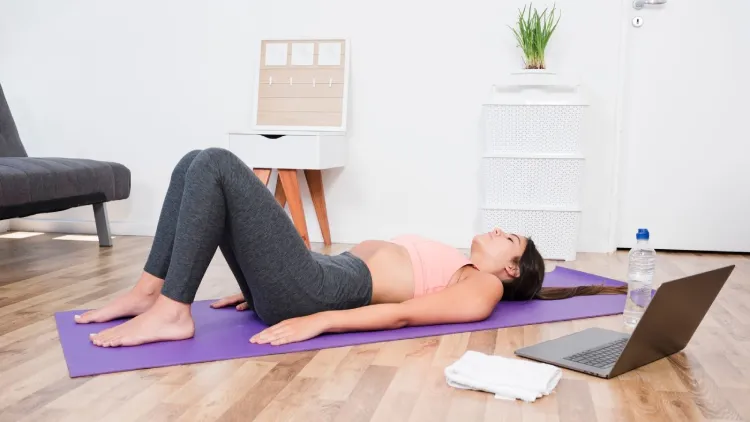
The Kegels may be practised in several positions: concrete to the ground, seated, standing, or in motion. In lying, it is easy to start, but standing is challenging. The use of rapid contractions, deep holds or grade training can all be effective in strengthening muscles in a better manner in the long run.
Benefits of Kegel Exercises
Kegel exercises have numerous advantages:
- Bladder Control: They assist in averting urinary incontinence, stress-based leakage and post-operative bladder problems.
- Sexual Health: Strong pelvic muscles may help with orgasm, increase the quality of the erection of men, and tighten the vagina of women.
- Postpartum Recovery: Kegels in the postpartum period are believed to help recovery tone and limit pelvic organ prolapse.
- Stability in the core: A Happy pelvic floor makes the back stronger and, relatively, the abdomen.
- Hernia Prevention: They are able to prevent the occurrence of inguinal hernia by placing support in the pelvic area.
- Better Sperm Movement: Men can feel more in control and even healthier about their sperm.
- Long-term complications, such as age-related incontinence or weakened pelvic floor muscles, can be prevented when practised regularly as well.
Common Mistakes to Avoid
To achieve maximum benefits of Kegel exercises, you should not commit the following mistakes:
- Incorrect Muscles: Do not tighten your abdomen, thighs or buttocks. Focus on the pelvic floor.
- The Overreach: Too many Kegels will result in muscle fatigue and pain. Begin slowly and move slowly.
- Stopping Urine in a Routine Activity: Although the ability to stop urine can help in identifying the muscles in the initial stages, it is not supposed to be done as a routine activity of exercise.
- Lack of Consistency: Consistency of the sessions is less effective. Daily practice is essential.

How Often and How Many
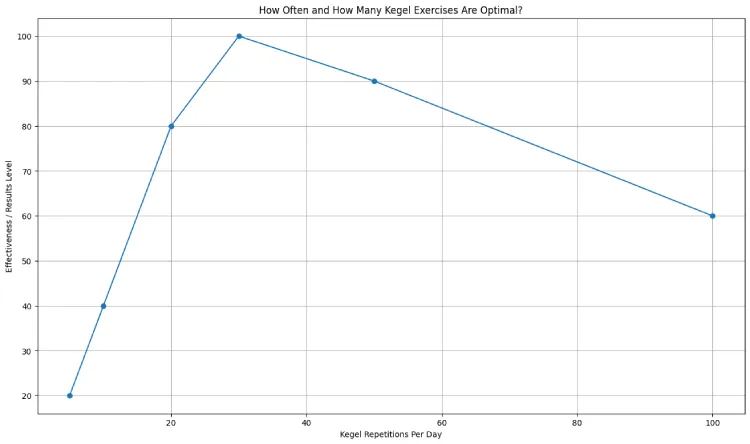
Those who might be inquiring whether it is possible to do 100 Kegels per day, then quality is better than quantity. An excess of it can cause muscle strain. The recommended dose of 10-20 repetitions, 2-3 times a day, is the one that can yield lasting results.
Duration of Kegel Contractions
In the case of women, a contraction of 5-10 seconds is normally advisable. In cases of regular training, most can reach 15 to 20 seconds. Men are supposed to strive to achieve the same time periods, with an emphasis laid on controlled and constant contractions.
Side Effects and Precautions
The most common side effects of the Kegel exercises include muscle strain, pelvic pain, and discomfort in the event of overtraining or improper execution. People who have some conditions like severe pelvic pain, infections and surgeries made within a short period of time ought to seek the advice of a healthcare expert beforehand.
When Kegel Exercises Should not be done
Do not do Kegels when one has an active urinary tract infection or when pelvic pain is experienced, or after certain surgeries, unless a physician approves.

Tools and Enhancements
- Ben Wa Balls: These are used by the female sex to build resistance and enhance strength.
- Digital Trainers: These are apps and devices that are used to monitor progress and keep the technique correct by offering biofeedback.
Kegel and Sexual Health-Effects of Kegels
Kegel exercises can tighten the muscles and increase sexual satisfaction by an increment. In men, they may result in enhanced erections and better ejaculatory control and perhaps enhanced sperm quality. These are exercises that do not directly make the penis larger but enhance muscular control and functioning on the part of the pelvis.
Signs of a Weak Pelvic Floor
Such signs include urinary incontinence, lower sexual satisfaction, slow control of bowel movements, and lower back pain. Kegels can be used by men and women in case they have any of these symptoms.
Who are the people who should do Kegel exercises?
Kegels can be beneficial to any person with a pelvic floor, which is basically any adult. They are specifically suggested to:
- Women during and after pregnancy.
- Men with urinary and sexual health problems.
- The elderly who wish to have control of their bladder and core.
- Patients post-surgery of the pelvic organs.
Kegel Exercises and Everyday Life
Kegel exercises can be performed anywhere, at your desk, your bed or even when you are in your queue. Their convenience makes them a long-term supplement to the everyday routine of wellness.

Conclusion
A non-invasive method of strengthening the muscles of the pelvic floor is the powerful Kegel exercises, which are beneficial to both men and women in a variety of ways. The benefits can be extended to bladder management, better sexual functioning, postpartum recovery, core stability, and the prevention of hernia. The correct technique, gradual progression, proper identification of the muscles, as well as consistency, are important in getting the best results. Kegel exercises are easily incorporated into any practice for long-term pelvic health and well-being, whether through the use of Ben Wa balls, biofeedback devices or using simple contractions through the course of the day.
Frequently Asked Questions
1. What do Kegel exercises do?
The pelvic floor muscles are made stronger by the Kegel exercises, which enhance control of the bladder, sexual health, core stability and aid in the prevention of hernias.
2. What are women doing during the Kegel exercises?
Women flex the pelvic floor muscles as though they are stopping urine flow, hold for 510 seconds, relax and repeat 1015 times in a session, which should be three times a day.
3. How often do Kegel exercises?
Men are concentrated on the muscles preventing the passing of gases or urine, retention of 5-10 seconds, relaxation, and repetitiveness 10-15 times in a session, 2-3 times a day.
4. Is it possible to do Kegel exercises by everyone?
Yes, any adult with a pelvic floor can do Kegels, but those with pelvic pain or infection, or recent surgery should visit a doctor beforehand.
.