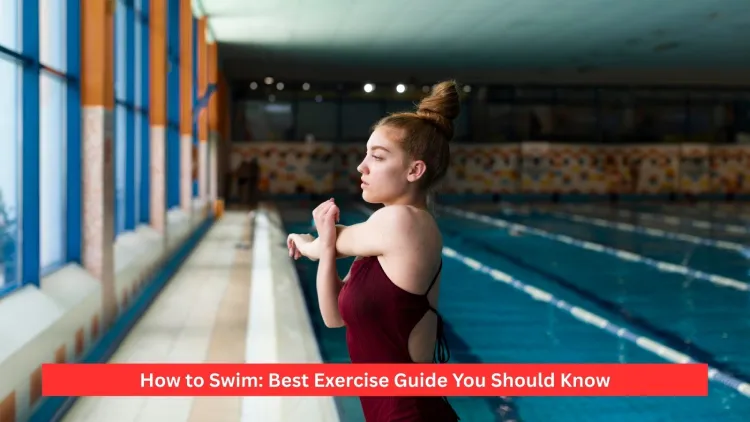

To learn how to swim, one has to learn breathing, floating, body positions, and coordination to form a low-impact body activity. Swimming is good for keeping the heart healthy, developing stronger muscles, bending better and also burning a lot of calories since it is soft on joints. The first sessions of beginners are supposed to concentrate on water comfort, and floating, followed by increased stages of kicking, arm movements and synchronised breathing. Regular training and the right moves will make swimming enduring and beneficial for fat loss as well as physical and psychological stamina.
- The Reasons Swimming is a Good Workout
- Learning about Swimming as an Exercise
- Warming up Before Swimming
- How to Swim (Exercise Method) Step-by-Step Guide
- Top Swimming Workouts to Exercise
- Muscles used in swimming exercise
- Swimming Exercise has Cardiovascular Benefits
- Mistakes that Beginners should avoid
- Swimming Workout Safety Plan
- Frequency of swimming as a fitness activity?
- Swimming vs Other Exercises
- Swimming tips to enhance performance
- Psychological Swimming Exercise Benefits
- Other Training Concepts on Swimming
- Is swimming good for losing weight?
- Difficulties and disadvantages of swimming
- The most difficult things about Learning to swim
- Is Swimming Easy to Learn?
- Long-Term Exercise Benefits
- Conclusion
- Frequently Asked Questions
The Reasons Swimming is a Good Workout
Swimming has been strongly regarded as one of the most balanced exercises since it involves strength training, cardio conditioning, mobility exercises and endurance training within one exercise. In the case of learning the swimming technique, the body is at variance with the water resistance, which is close to 12-15 times heavier than air. This resistance will naturally stimulate the muscle activity without heavy weights.
Swimming spreads body weight evenly by means of water buoyancy, unlike land exercises, which continually strain joints. This is why it is appropriate among the novices, the elderly, recovery after injuries, and athletes in need of active recovery exercise.
Physical Benefits
- Engages nearly every muscle group simultaneously
- Enhances the performance of the heart and lungs.
- Develops muscular stamina easily.
- Maintains the position and the spine.
- Improves coordination and balance.
Swimming is also an activity that offers a special condition of the exercise where the movement will be smoother to increase longer workouts without much fatigue, as is the case in running or training under high impact.
Psychological and Neural Advantages
Swimming is said to be, to some extent, mental since rhythm and breathing control have a direct effect on its performance. When people learn swimming, they learn to focus, time and relax. The parasympathetic nervous system is triggered with the help of a pre-decided breathing rhythm, which is less stressful and allows for better emotional control.
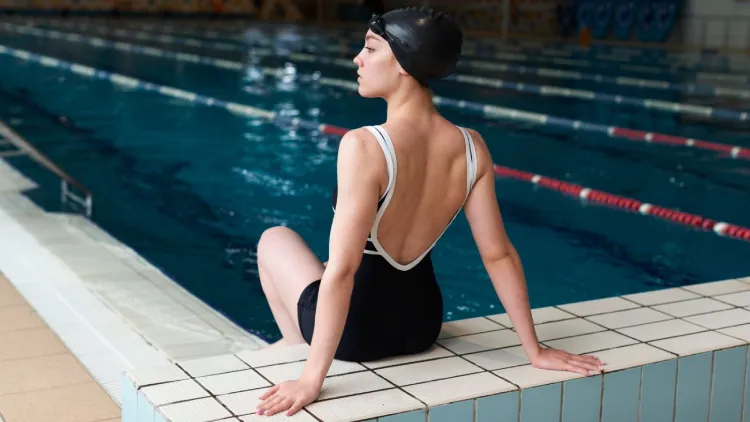
Learning about Swimming as an Exercise
In order to learn how to swim, one should note that swimming is not a haphazard water movement. It is a synchronised exercise system that is designed with mechanics and efficiency.
Exercise swimming is based on three key pillars:
- Breathing Efficiency: Oxygen management in endurance.
- Hydrodynamics: Reducing the drag by alignment.
- Propulsion Mechanics: Producing propulsion by means of the coordinated activity of the muscle.
Water resistance is in every direction, i.e., any movement enhances the muscles, whether in recovery or during movement. This is the reason why swimming can replace long walking sessions or step-based workouts for many people as they face this constant resistance.
Is it possible to replace the number of daily steps with swimming?
A medium swimming session uses more muscle groups than walking since both the lower and upper bodies are in use throughout the process. Whereas motion distance is measured by the number of steps, effort intensity is measured in swimming. Intensive swimming may provide the same efficiency to the heart as long walking routines.
Warming up Before Swimming
The training on how to swim must be prepared beforehand. Stiff joints and cold muscles decrease the efficiency in movement and augment fatigue.
Dry Warm-Up Routine (10 Minutes)
- Bends on the shoulders to mobilise rotator cuff muscles.
- Arm swings for mobility
- Light squats to warm legs
- Core twists to utilise abdominal muscles.
- Gentle calf raises
The warm-ups increase blood circulation to the muscles and help the nervous system coordinate movement.
Nutrition Before Swimming
Proper eating is one of the ways of staying energised during exercise. Light food is best an hour to an hour before swimming:
- Banana or fruit
- Yogurt
- Oats
- Whole-grain toast with peanut butter.
Heavy, oily meals are to be avoided since the digestive system is taxed by physical performance.
How to Swim (Exercise Method) Step-by-Step Guide
The development of the skill system of learning to swim is not a single movement.
Step 1: Water Familiarity
Novices have to get used to water first. Stride slowly, and splash in shallow water and learn to bury the face during breathing out. This helps to create confidence and lessen fear.
Step 2: Floating Skills
One of the most difficult psychological obstacles is floating. When the human body is relaxed, the lungs serve as air chambers, and the body will automatically float.
How to float:
- Take a deep breath.
- Put arms and legs ajar.
- Relax neck and shoulders.
- Allow hips to rise naturally.
- Strength cannot be compared to relaxation.
Step 3: Kicking Technique
Small movements with knees, kicking. Powerful kicking is used to stabilise the body and assist beginners in holding balance.
Step 4: Arm Movement
Arms create propulsion. Use a backward motion of water instead of a downward impulse. Pulling efficiently involves the use of forearms and back muscles.
Step 5: Breathing Coordination
Endurance is made up of breathing rhythm. Breathe rapidly on top of the water and breathe slowly below the water. Novices find it very difficult at this point since holding their breath is a source of tension.
Step 6: Continuous Movement
Kick, pull, breathe together into a fluid action. This is the point when one really knows how to do swimming exercises.
Top Swimming Workouts to Exercise
Four major styles of swimming are applied in training.
Freestyle (Front Crawl)
The most competent and inaccessible style of innovation. It enhances the maximal calorie expenditure and cardiac endurance.
Exercise impact:
- Strong shoulder activation
- Core stabilization
- Continuous cardio training
Breaststroke
A slow guided pattern that is suitable when the learner is developing coordination.
Benefits:
- Makes chest and thighs strong.
- Improves flexibility
- Promotes the control of breathing.
Backstroke
It was done lying on the back, thus it became easier to breathe.
Exercise advantages:
- Improves posture
- Strengthens the upper back
- Reduces neck strain
Butterfly Stroke
The most urgent one, which needs authority and organisation.
Muscles targeted:
- Core
- Chest
- Shoulders
- Lower back
It is commonly assumed to be the stroke which is the toughest to make because of the time and the amount of force needed.
Muscles used in swimming exercise
Swimming involves large and stabilising muscles.
Upper Body
- Pulling force is exerted in the shoulders.
- Chest assists propulsion.
- Stroke stabilisation is done by the back muscles.
Core
- The innermost part is in line, and there is no loss of energy.
Lower Body
- Legs offer balance and forward motion with the help of kicking.
Due to the resistance that surrounds the body, the muscles will be moving throughout the exercise.
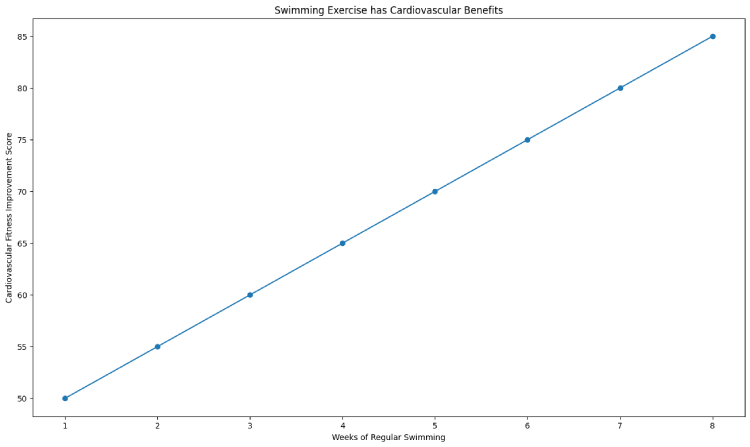
Swimming Exercise has Cardiovascular Benefits
Swimming lessons enhance the ability of the heart to work and the lungs to get a lot of oxygen.
Swimming:
- Stimulates oxygen consumption.
- Strengthens heart muscles
- Enhances circulation
- Improves endurance
In 30 minutes of moderated swimming, a lot of aerobic preparation is gained, which is similar to running exercises.
Mistakes that Beginners should avoid
Novice swimmers do not find it difficult; many make mistakes, which occur because they make unnecessary movements.
Common Procedure Errors
- Holding breath underwater
- Lifting the head too high
- Overkicking
- Moving arms too fast
- Poor body alignment
- One should relax and have a rhythm as opposed to force.
What Not to Do in Swimming
- Panic when water enters the nose
- Rush learning stages
- Ignore breathing practice
- Swim without any attendant.
An early correction of these habits hastens the progress.
Swimming Workout Safety Plan
Precautions should be observed in learning how to swim.
Key Safety Principles
- Take a swim in supervised locations.
- Never push beyond fatigue.
- Stay hydrated.
- Proper equipment may be required.
- Rest between sets.
Ten Basic Safety Guidelines
- Warm up, then get into the water.
- As a beginner, never swim alone.
- Respect pool depth levels.
- Do not dive in too shallow places.
- Stay aware of your surroundings.
- Observe lifeguard instructions.
- Stop if dizziness occurs.
- Keep up the vitality through drinking.
- Study emergency floating.
- Get water trying out at the end of vigorous exercise.
Frequency of swimming as a fitness activity?
The frequency is based on the objectives of fitness.
- Beginners: 2–3 sessions weekly
- In between swimmers: 3-4 sessions.
- Professional athletes: up to 6 sessions.
As long as the intensity of the workout is moderate, even 30 minutes a day can go a long way in terms of enhancing fitness.
Swimming vs Other Exercises
Swimming combines benefits usually split across multiple workouts.
| Exercise | Impact | Muscle Use | Endurance |
| Walking | Low | Lower body | Moderate |
| Running | High | Lower body | High |
| Gym training | Medium | Targeted | Variable |
| Swimming | Low | Full body | High |
Because of full-body engagement, swimming sessions can equal long-distance walking or step-count goals.
Swimming tips to enhance performance
The ways of improving the ability to swim involve patience, and one has to refine the technique.
- Concentrate on glide and not speed.
- Keep movements smooth.
- Work core muscles out of the pool.
- Practice drills regularly.
- The distance between tracks gets better.
The 80/20 Training Principle
A popular strategy is using a proportion of 80/20 side with much of the time spent at a comfortable or moderate level, with 20-percent of the total time on harder work. This equilibrium will allow avoiding burnout and will also enhance stamina.
The 3-3-3 Drill
Coordination exercise:
- Three strokes with the right arm alone.
- Three strokes with the left arm alone.
- Three full strokes
Balance and stroke awareness are enhanced by this drill.
Psychological Swimming Exercise Benefits
Swimming is said to be very mental, as relaxation can directly influence the lightness and breathing. Tension or fear augments loss of energy.
Learning how to swim builds:
- Confidence
- Stress resilience
- Emotional calmness
- Focus and rhythm awareness
This is one of the greatest psychological accomplishments of the novice, as many find it difficult to get over the fear of water in the field of fitness.
- Overcoming Fear of Water
- Start in shallow water.
- Practice breathing first.
- Take off use floation aid.
- A gradual development that is not forced.
- The trust is built over time.
Other Training Concepts on Swimming
The 15-Second Recovery Concept
Short periods of rest between laps are one of the effective methods which can enhance endurance during the process of swimming exercise. The 15-second recovery principle is the short inhibition of approximately 10 to 20 seconds after each lap/set. Such brief pauses enable partial resumption of the muscles and cardiovascular system with a high heart rate. This process increases stamina and oxygen efficiency by preventing the body from resting, which improves endurance, efficiency of oxygen intake and general swimming performance. It is also assisting beginners and intermediate swimmers to acquire the skill of being able to swim longer distances without getting tired in the process.
Water temperature awareness
The temperature of water is known to be significant in the performance and comfort of exercise. Extremely cool pools cause muscles to become tight, lack flexibility and are likely to be injured. On the other hand, excessively warm water may cause exhaustion and overheating. Preferably, water between 27 and 30° C (80 and 86 F) is most appropriate in swimming exercises. This is when the muscles are relaxed, and the body is able to perform long periods of exercise because the circulation is effective at this temperature. It is always healthy to know water temperature to allow swimmers to plan successful exercises and not waste on unnecessary efforts, making them safer and more pleasant.
Is swimming good for losing weight?
Swimming is one of the best exercises to lose weight, simply because it works almost all the large muscles in the process. The upper and lower body muscles are in use on every stroke to counter the effective resistance of the water and greatly burn calories as compared to the majority of land-based exercises. This is a full-body workout that simultaneously works on the heart rate, as it is a combination of cardio and strength training with continuous and full-body muscle work.
Swimming can also be used to add to the total fat burning, including the abdominal fat that is hard to lose, when swimming is coupled with proper nutrition. Unlike those exercises that help in achieving results in one area only, full-body exercise in swimming also helps in ensuring that the body burns calories at an efficient rate. In addition, it also favours lean muscle growth, which increases metabolism in the long run.
Speed or intensity is not crucial in swimming compared to consistency. Even moderate workouts done regularly create endurance and make the heart work efficiently, as well as progressively increase energy usage. The combination of coexistence work sustained, involvement of muscle, and aerobic activity makes swimming overtime to be a very efficient method and friendly to the joint to people who need to lose weight or maintain their body mass.
Difficulties and disadvantages of swimming
Although swimming is of great benefit, there are certain limitations to it:
- Needs access to water facilities, and this may not be easy to do in regular practice.
- Learning curve of techniques The learning of techniques among beginners takes time, as it involves learning to float, stretch out legs, breath and strokes.
- Fatigue of the shoulders occurs when form is not correct, particularly when they have to work long hours.
- Less bone-loading than weight training, hence more strength exercises might be required.
- The challenges can be overcome by balancing swimming with other supplementary strength and progressive levels of skill development.
The most difficult things about Learning to swim
For most novices, the greatest part of studying to swim is not connected to physical capacities, but it is associated with the coordination, timing, and psychological discomfort when in the water.
- Rhythm of breathing: It is the barrier that is frequently encountered. Swimming also involves inhaling and exhaling at a specific rate of movement compared to a running or cycling activity, which is undertaken in water. Unless practised slowly, beginners have trouble coordinating breaths with strokes and kicks in the arm, and can become excessively tired or panic-stricken.
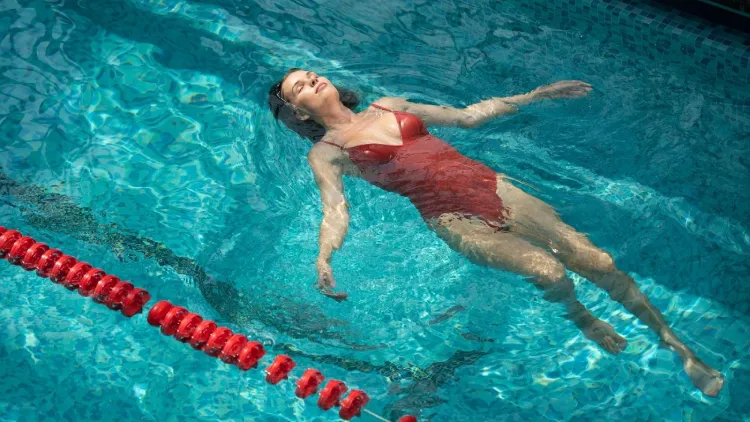
- Floating and relaxation: It is another significant difficulty. It sounds easy to be floating, but to remain on the surface, one must relax the tension in the muscles. The beginners automatically hunch over, which makes them either sink or feel unbalanced. Patience and constant practice are all about learning to relax without losing one’s posture.
- Coordinating movements: Arms, legs, and core– can be tricky at first as well. Every movement is combined with several muscles acting in sync, and the body is straight. This is what finally makes swimming a skill as well as a whole-body activity.
Surprisingly, it is hardly ever a measure of physical strength that becomes a barrier to beginners. The majority of challenges are caused by mental comfort, confidence and timing. The most challenging aspect of learning how to swim, but this is the most rewarding, is to overpower fear, have confidence in your body in the water and be rhythmical. All these elements are slowly mastered with practice, after which it is possible to think more of endurance, style, and the overall performance of exercises in swimmers.
Is Swimming Easy to Learn?
At first sight, swimming makes it look difficult, but it becomes easy after the fundamentals are taught. Balance, breathing and coordination are sometimes tried in early sessions, although with practice the body becomes able to do so that the water makes it harder to keep the body opposing the weight, and the other way.
Those starting should practice floating, kicking and controlled breathing, then become familiarised with full strokes. These skills are gradually combined and create confidence and efficiency. By acting on the basic tools, such as choosing the use of a kick board or doing this in shallow water, it is easy to learn faster, and the process becomes less threatening.
Anybody can be taught to swim with a lot of patience and with proper guidance given to them, with practice. The first time deed is soon compensated by further stamina, built up body and feeling comfortable in the water, making swimming one of the most accessible and fun sources of exercise.
Long-Term Exercise Benefits
Learning how to swim also has numerous long-term health and fitness rewards, and therefore, it is one of the most sustainable exercises for individuals of all ages.
- Maintaining Joint Health: Unlike running or jumping in high-impact sports activities, swimming means that your body moves without putting so much pressure on your joints, as in high-impact sports activities. With the water buoyancy, the entire load is taken off the hips, knees, and spine, joint wear and tear over time increases are avoided, and still, it gives maximum resistance to strengthening muscles.
- Cardiovascular Strength: Swimming provides a good workout in terms of aerobic activity, involving the upper and lower body parts. Consistent workouts enhance the functions of the heart and lungs and can keep the cardiovascular event enduring, blood pressure within normal bounds, and the heart healthy in the long-term. Even moderate swimming exercises, which are done regularly, can have a great impact on the level of fitness.
- Getting More Mobility in Old Age: The combination of stretching, kicking, and coordinated swimming gets you more flexible and with more range of motion. In the long run, this will aid in the prevention of stiffness, preserve the joint mobility and enable older adults to be active and independent at a later age.
- Mental Well-Being: Mental health also benefits from the swimming activity. Reduced stress, mood, and concentration are some of the benefits of the rhythmic breathing, repetitive moving effects, and calming effects of water. It is not just a few swimmers who have discovered the ease which water exercise can give them, and also a relief of anxiety as well as emotional balance.
- Sustainability Over Decades: Adaptability is one of the best benefits of swimming as a form of exercise. Stroke type, distance or speed can be changed easily, and thus this makes it beginner-friendly, advanced, and older adult-friendly, as well. This is a lifelong sport, and this aspect assures health, fitness and well-being over decades, due to this versatility.
The use of strength, endurance, flexibility, and mental advantages gives a chance to make swimming, not a we-exercise, but an investment in physical and emotional health in the long-term.
Conclusion
Learning how to swim as an exercise moves water, one of the most effective tools of fitness. Swimming builds stamina, muscle power, balance, as well as psychological durability, whereas the likelihood of injury is reduced. Through learning how to float, breathe, kick, and make on the stroke, novices can slowly learn to rely on full-body workouts.
Through practice, safety habits, and routines, swimming may turn out to be a full-fledged exercise system, which may substitute most of the conventional workouts and provide a statistically significant amount of physical and psychological health over the long term.
Frequently Asked Questions
1. How many times are expected to swim to achieve fitness results?
Inclined to beginners, 2-3 sessions a week are just perfect to develop comfort, stamina and technique. The average swimmers can target 3 to 4 sessions, and the high-level swimmers are allowed to train up to 6 sessions in a day. Even 30 minutes per day of moderate swimming can have great effects on the cardiovascular health and, more generally, the fitness of the body.
2. Is swimming effective in fat loss and muscle toning?
Yes. Swimming uses nearly all the large muscle groups at the same time, boosting calorie expenditure and lean muscle mass. Swimming is a good fat-burning and general toning of the muscles because of its full-body movements, resistance to water and the ability to regulate inhalation and exhalation.
3. What are the pitfalls to be used by beginners?
Newcomers are usually pathetic on breath control, excessive kicking, lifting the head excessively high or lack of hand-eye coordination. Speed is not of importance, but proper technique, timing and relaxation with rhythmic breathing. Flotation may be used with the help of shallow water, as well as kickboards, to gain skills safely.
4. How do I overcome a fear of water and get more confident during swimming?
It should be practised in shallow waters, and floating must be done first. Concentrate on sufficient breathing and make slow movements towards deep strokes. To start with, use flotation devices and then gradually, you will give yourself the time to be comfortable, coordinated and confident, which will save you time at the start, thus enjoying swimming as a form of exercise.