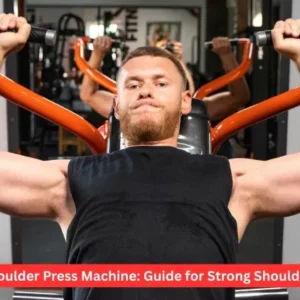


Deltoid exercises are good for strengthening well-defined shoulders. The deltoid muscle consists of three elements, front (anterior), side (lateral), and back (posterior), that help in the movement of the arms and stability of the shoulder. These muscles are trained with well-known exercises such as shoulder presses, lateral raises and rear delt flys, making them stronger and better postured. Proper training and gradual development, combined with adequate rest in the deltoid training, can sustain a broader and stronger shoulder, besides preventing injuries.
What Are the Deltoid Muscles?
The deltoid muscles shape the curved form of the shoulder and make the arms lift, rotate and stabilise. These muscles are significant in nearly all movements of the upper body, such as reaching overhead, pushing, pulling or lifting an object. Because the deltoid muscles play a pivotal role in shoulder movement, specific deltoid exercises are required to achieve balanced strength and long-term joint health.
There are three sections of the deltoid muscle:
Front Deltoid (Front Delts)
The front deltoid muscle raises the arm forward and helps with pressing, such as push-ups, overhead presses, and bench presses.
Lateral Deltoid (Side Delts)
The side part of the deltoid raises the arm at right angles. This part takes care of the shoulder width, and it is the primary factor behind broad shoulders forming a strong physique.
Posterior Deltoid (Rear Delts)
The deltoid on the back draws the arm back and maintains posture by aiding in ensuring that the shoulders are straight. This area is neglected by many people, resulting in poor posture and muscle imbalance.
All three heads should be trained equally through effective deltoid exercises in order to ensure that they are strong, balanced, and have proper shoulder mechanics.
The shoulder joint is even one of the most complex joints in the human body. It utilises the use of various muscles that are in coordination, such as the rotator cuff muscles, trapezius, and the surrounding stabilisers. There are approximately seven muscles important in supporting the shoulder movement and stability. Exercising the deltoid muscles with regular deltoid exercises assists the muscles in functioning more effectively.

Pros of the Deltoid Exercises
Deltoid exercises are good additions to your workout routine that have many physical and functional advantages. Shoulders not only look strong, but they are also necessary in daily movement.
1. Stronger Upper Body
Many compound movements are done with the help of the shoulder,s which include bench presses, pull-ups, push-ups, and rows. Developing better deltoids contributes to the strength and power of the upper part of the body.
2. Improved Posture
The weak shoulders tend to cause the rounding of the back and tight chest muscles. Deltoid exercises with a balance, particularly during the back delts, make the shoulders straight back and the spine in the right position.
3. Increased Performance in Sports
Swimming, tennis, basketball, baseball and martial arts are some of the sports that are based on strong shoulder muscles. Regular deltoid training aids in acceleration, strength, as well s, co-ordination of these activities.
4. Reduced Risk of Injury
Deltoid strengthening helps support the shoulder joint and protect rotator cuff muscles. Proper deltoid exercises may help to achieve the stability of the shoulders and minimise the chance of strains or overuse injuries.
5. Better appearance of the shoulders
There is a rounded cap appearance of the shoulders that is formed by the deltoids. Training these muscles provides the v-taper shape that many fitness and sports enthusiasts would love to have. The deltoid, especially the lateral, is the one that makes the shoulders look broader and more impressive.
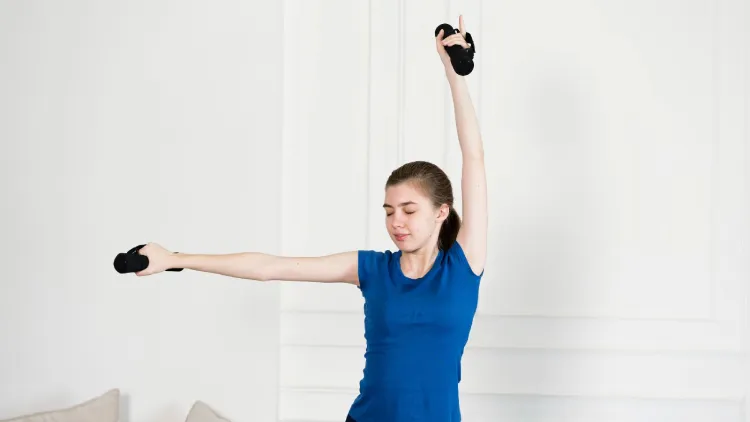
Best Deltoid Exercises
Deltoid exercises are numerous; nevertheless, there are several exercises that are particularly effective since they train several shoulder parts at the same time, developing strength and muscle mass.
1. Dumbbell Shoulder Press
The dumbbell shoulder press can be regarded as one of the strongest exercises for the deltoid muscle since it is applied to the whole shoulder complex.
How to Do It
- Seat or stand using a dumbbell in each hand.
- The weights should be held on the shoulders and with the palms forward.
- Raise the dumbbells till you have fully expanded your arms over your head.
- Raise the weights gradually up to the initial position.
Benefits
This motion involves the front and side delt,s with the stabilising muscles around the shoulder being engaged as well. The overhead press is regarded by many fitness experts as the king of shoulder movement as it builds strength, size and stability at the same time.
2. Lateral Raises
The most popular deltoid exercises in weight building of the shoulder width include lateral raises.
How to Do It
- Stand in place with a dumbbell in both hands.
- Maintain a low bend in the elbows.
- Extend your arms to the side till they are at the same height as your shoulders.
- Gradually reduce the weights.
Benefits
The muscle to be dealt with in this exercise is the lateral deltoid, the muscle that makes the shoulders wide and a perfect upper body figure.
3. Front Raises
Front raises are easy and effective exercises for strengthening the anterior delts.
How to Do It
- Have a weight plate or dumbbell in both hands.
- Keep lifting the weight in front of your body until it is at the level of your shoulder.
- Take a short rest at the peak and gradually reduce the weight.
Benefits
Front Raise enhances the strength in pressing, and it assists in lifting exercises like overhead press and bench press.
4. Rear Delt Fly
Rear delt flies are crucial exercises for the deltoid necessary to balance the shoulder development.
How to Do It
- Dumbbells Bend forward slightly.
- Be straight and hold your back and core.
- Pull the weights away, having in mind that the shoulder blades must be pulled together.
- Lower the weights slowly.
Benefits
This exercise builds up posterior delts and back, enhancing the posture and avoiding muscle imbalance.
5. Arnold Press
Arnold press is a dynamic exercise which involves all three heads of the deltoids.
How to Do It
- Grasp dumbbells in front of the shoulders and have the ppalmsfacing the body.
- Turn your palms upwards, pushing the weights on your head.
- Turn the motor in reverse and reduce the loads.
Benefits
The Arnold press is one of the easiest exercises that are easiest to practice in the deltoid, as it uses the front, side, and rear delts in a single motion.
6. Upright Rows
Another exercise that can be introduced into shoulder training regimes is the upright row.
How to Do It
- Grasp the dumbbell or a barbell with an overhand grip.
- Lift the weight up and towards the chest.
- Elbows should be kept above wrists.
- Lower the weight slowly.
Benefits
The muscles used in this exercise include side delts and upper traps, and stabilize the shoulders.

Deltoid Workout Routine Sample
Properly organised routine with several exercises for the deltoid can assist you in training the shoulders without excessive training.
Beginner Routine
- Dumbbell Shoulder Press – 3 sets of 10 reps.
- Lateral Raises – 3 sets of 12 reps
- Rear Delt Fly – 3 sets of 12 reps
Intermediate Routine
- Arnold Press – 4 sets of 8–10 reps
- Lateral Raises – 4 sets of 12 reps
- Front Raises – 3 sets of 10 reps
- Rear Delt Fly – 3 sets of 12 reps
Such exercises develop all three parts of the shoulder and do so in a balanced manner.
Effective Deltoid Training Tips
To achieve maximum benefit from deltoid exercises, it is not enough to lift weights. The correct training plans will enable maximum growth and keep the shoulders safe.
Use Controlled Movements
Momentum may decrease the efficiency of an exercise and augment injury rate. Take slow and slow repetitions as part and parcel of deltoid exercises.
Training Three Deltoid Heads.
Most lifters pay much attention to front delts using pressing exercises, but do not pay much attention to rear delts. Balanced deltoid exercises are recommended to work all the parts of the shoulder.
Pay attention to Progressive Overload.
The progressive weight, repetitions or intensity are gradual in that they stimulate the growth of muscle.
Prioritize Recovery
The muscles of the shoulders need rest like any other muscle group. Training them on a daily basis can result in fatigue or injury. To the majority of people, deltoid exercises two or three times a week are the most appropriate.
Include Rotator Cuff Work
Rotator cuff exercises enable the muscles surrounding the shoulder to be stabilised. This assistance enhances the performance of the heavier deltoid activities.
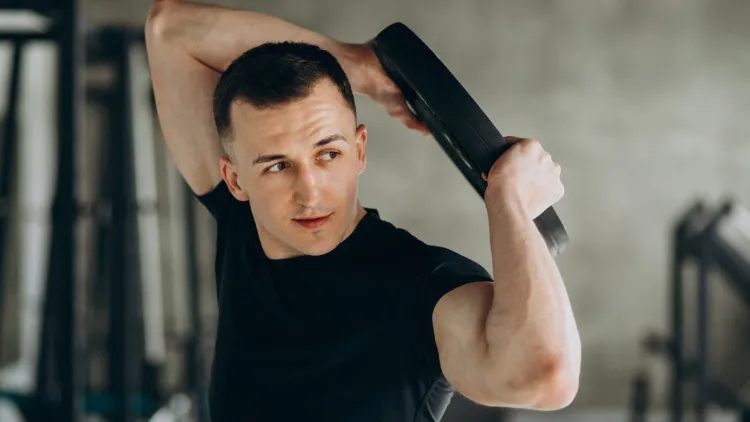
Common Mistakes to Avoid
Some errors will slow down the progress or will cause discomfort when it comes to the deltoid exercises.
A typical mistake is to use weights that are heavy, and in most cases, it will resultino swinging or a lack of technique. The other error is the failure to work on the rear delts, and this leads to an imbalance of muscles and postural issues.
Others also do exercises which put undue strain upon the shoulder joint, as in very heavy upright rows, or badly done behind-the-neck presses. Safe and controlled exercises of the deltoid muscles can be chosen to protect the shoulders and strengthen them.
Who are the people who should do deltoid exercises?
Deltoid exercises can be performed by almost any person, no matter his/her fitness.
Light weights or resistance bands can be used by beginners to develop tasic strength. Shoulder training enhances power in athletes in the process of throwing, pushing and pulling. These movements are focused on by the bodybuilders so as to acquire wide, set shoulders.
People who sit extensively can also use deltoid exercises since the strengthening of the shoulders will help eliminate poor posture and weak muscles.
Shoulder weakness may be indicated by an inability to raise the arms above the head, a lack of muscle strength in the arm, bad posture, or pain in the muscles during upper-body activities. Frequent training serves to eliminate these problems as it makes the stabilisers and deltoid heavier.

Conclusion
The most effective method of having strong, healthy, and well-defined shoulders is through constant deltoid exercises. Making the anterior, lateral and posterior deltoid work simultaneously, you develop equal strength, which increases the posture, sports performance, and the development of the upper part of the body.
Shoulder presses, lateral raises, rear delt flys and Arnold presses are exercises that create an effective shoulder routine. These deltoid exercises, in combination with the correct technique, progressive overload, and sufficient recovery, will be able to make every person have strong and attractive shoulders.
Development of stronger deltoids can be attained by amateurs and professionals with hard training and smart training. Regularity, equal training, and care of the shoulders will guarantee the long-term development and a strong upper body.
Frequently Asked Questions
1. Which deltoid exercises maximise the growth of the shoulders?
Shoulder presses, lateral raises, rear delt flys, and Arnold presses are the best exercises that involve deltoids. These motions work on all three heads of the deltoid and develop strength, balance and size.
2. Do exercises of the deltoid muscle give more strength to the rotator cuff?
Yes, proper deltoid exercises together with light rotator cuff movements will make the shoulder joint stable. This enhances the strength and mobility of the shoulders, as well as minimising the chances of injury.
3. What frequency of training for deltoid exercises?
The majority of the population enjoys deltoid exercises two to three times a week. This gives sufficient time to develop muscle and, at the same time, offers regular training on muscle strength.
4. Which deltoid muscle will increase the size of the shoulders?
The lateral deltoid extends the shoulders and makes them look broader. This muscle can be trained with such exercises as lateral raises to make up a more defined and wider upper body shape.