


Muscle strain is one of the most common injuries associated with exercise and is caused by overstretching or tearing of muscle fibres. May result in pain, swelling, stiffness, weakness, and loss of motion. The illness is mild in the majority of patients and clears up in a few weeks, and more severe injuries may last several months. Successful recovery will require gradual strengthening exercises, mobility exercises, and progressive exercise. Proper rehabilitation exercises, gentle stretching, and walking are beneficial in the recovery process if started at the appropriate time. Learning a little about the factors, signs, recovery phases, and safe exercises can accelerate the recovery process and decrease the chances of re-injury.
What Is a Muscle Strain?
Muscle strain is an injury that occurs when a muscle is overextended or damaged. Also referred to as a pulled muscle, it can affect exercise, mobility, and activities of daily living (ADLs) for a brief period.
Muscle strain occurs when a muscle exceeds its limits of stress. This frequently happens when an individual performs sudden motions, heavy lifting, sprinting, jumping, or movements that change directions.
A muscle strain is usually painful but can heal if proper care is taken, exercises are gradually performed, and other activities that put additional strain on an injured area are avoided. In most cases, muscles can heal and get stronger when enough time and proper rehabilitation are given.
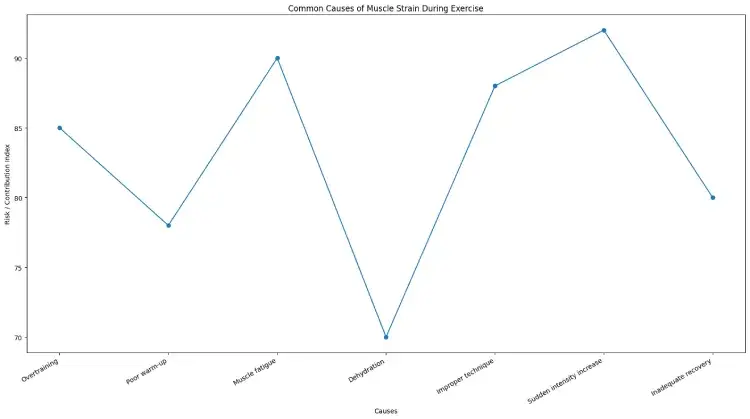
Common Causes of Muscle Strain During Exercise
While exercise is among the healthiest methods for the body, it can also put a great deal of stress on muscles. Once you know the causes of the injury, you can prevent its recurrence.
Poor Warm-Up
Inadequate warm-up is one of the primary reasons people injure themselves while exercising. Muscles are best used when they get warmer and the blood flow increases. To jump into high-impact activity without a warm-up can make tissues less supple and less shock-resistant.
Warm up—light aerobic activity, and dynamic movements that simulate the warm-up of the upcoming workout. Focusing even for 5 to 10 minutes can help minimize the risk of injury.
Sudden Increases in Training Volume
Every fitness enthusiast ends up getting injured when they go too fast in their fitness routine. Adding too much weight, distance, repetitions, and/or workout intensity too quickly can tax muscles before they are ready.
The process of progressive overload should be slow and steady. The small increases enable muscles, tendons,s and connective tissues to gradually build up strength without risk.
Overtraining
Adaptation happens at the exercise stage, while recovery takes place at the improvement stage. The muscles are still tired and,d therefore, susceptible to injury if proper rest does not occur.
Possible signs and symptoms of overtraining include:
- Persistent soreness
- Reduced performance
- Poor sleep
- Increased fatigue
- Frequent minor injuries
It’s important to ensure the intensity of training doesn’t take a toll on recovery if they’re in balance for long-term success.
Poor Exercise Technique
This can also put undue strain on certain muscle groups through incorrect movements. Running form, lifting form, and stretching are just some of the areas that may lead to injury if incorrect.
Identifying the errors in movement with the help of a qualified coach or trainer can prevent the occurrence of problems.
Muscle Imbalances
Some muscles gain strength, and others do not. These imbalances affect how a person moves and make some parts of his/her body strained.
For example, if you have a high quadriceps to hamstring ratio, you could be more prone to hamstring injuries during sprinting and jumping work.
Fatigue During Exercise
There will be a gradual decline in the amount of force the muscles can absorb when they are fatigued. Coordination can decrease, response can become slower, and movement may become less efficient. These can make injury more likely, particularly when doing intense workouts.
Insufficient Flexibility
There may be a lack of mobility and abnormal movement patterns, which can increase the stress on muscles. Mobility and flexibility exercises could be beneficial in improving exercise performance and decreasing injury risk, with regular mobility work and flexibility training.

The symptoms of a muscle strain are as follows
Early diagnosis of the signs and symptoms of muscle strain could increase the chances of preventing it from worsening. Symptoms may be more or less severe depending on the extent of damage to the muscle fibres.
Pain
Pain is usually the first symptom. It can happen at any time, either during or soon after exercise. They say there is a pulling, sharp, and/or tearing pain, especially during use of the muscle.
Tenderness
Often, the affected area is touchy. While pressing the muscle,e it can cause discomfort or pain.
Swelling
Swelling may occur as a normal part of the body’s healing process, becoming mild to moderate. This can be tight or uncomfortable in the affected area.
Bruising
If small blood vessels have been damaged during the injury, the bruising may be visible in a moderate or severe injury.
Weakness
Everyday movements and/or exercises may become more difficult as the affected muscle may feel weaker than usual.
Reduced range of motion
Can have pain and stiffness all around the body that reduces movement. There may be problems with the full range of motion in stretching or contracting the injured muscle.
Muscle Tightness
A strained muscle will be tight or stiff, particularly after resting or inactivity.
Changes in exercise performance
Active people or athletes may experience a decrease in strength, power, speed, or endurance until the muscle has completely recovered.
The specific symptoms may depend on the location and level of the muscle strain; early detection and treatment will help the muscle heal more quickly.
The severity of the muscle strain
Injuries are classified as ‘grades’ in the medical profession.
Grade 1 (Mild)
Grade 1 – there’s only minor damage to a few muscle fibres.
Characteristics include:
- Mild discomfort
- Minimal swelling
- Little strength loss
- Able to perform some tasks
Appropriate management will usually result in recovery within one to three weeks.
Grade 2 (Moderate)
Grade 2 – More fibres are damaged.
Common features include:
- Noticeable pain
- Swelling
- Bruising
- Reduced strength
- Impaired ability to carry out usual activities
Recovery can be a lengthy process, sometimes weeks, and might need an appropriate rehabilitation program.
Grade 3 (Severe)
A grade III injury entails a total muscle or tendon tear.
Symptoms may include:
- Severe pain
- Significant weakness
- Routine losses of function.
- Extensive bruising
In a small number, it can be seen in the upper leg. In some,e it can be seen in the upper leg.
These are frequently injuries that need medical assessment, occasionally needing surgery.

Initial Recovery After a Muscle Strain
The first few days after muscle strain are crucial as the healing process begins as soon as you’ve been injured. Appropriate care at this stage can minimize discomfort, minimize swelling, and improve recovery. The result is necessarily no exercise, but rather to protect the damaged muscle until safe exercise can take place.
Protect the Injured Area
After the muscle injury, the initial task is to afford protection to the muscle being misused so that it doesn’t exacerbate pain further. The aging of the damage and recovery delays can be exacerbated by using the same motion again, using the same exercise.
Do not work to extremes, explosive movements, sprinting, and sharp pain exercises. But movement that is gentle enough within a comfortable range can help maintain mobility and prevent stiffness.
Rest
Rest is an important factor in recovery – but it does not imply total inactivity. This is generally more helpful and is relatively much more beneficial for the injured tissue to heal, while allowing normal movement.
Avoid activities that worsen symptoms; gradually resume activity as pain becomes less. It is important to pay attention to your body: if you push too hard, too soon, you can take even longer to heal.
Ice
Ice can be used in the early stages of a muscle strain to ease pain and manage swelling. Ice can be used for limited periods, typically 15-20 minutes at a time, and particularly in the first 24-48 hours after injury.
Putting a cloth or barrier between the ice and the skin will help prevent irritation. Ice should be used to complement and not replace good rehabilitation and gradual exercise progression.
Compression
Compression can help to support the injured area and can also help to reduce excessive swelling. Supportive clothing, compression sleeves,s or elastic wraps may be helpful depending on the location of the area of injury.
Take into consideration that compression is effective but not constricting to the circulation of blood. At any time, if the numbness, pain, and/or strange feelings get worse,e the compression should be adjusted.
Elevation
Try to keep the affected area above heart level if possible; this may help to minimize swelling. Elevation is particularly beneficial for injuries to the limbs, such as the leg, ankle, le or arm.
When paired with other recovery measures, elevation can aid in controlling inflammation in the early recovery phase of the healing process.
Pain Management
After an injury to the muscles, some individuals would turn to their own health OTC medication to relieve identified pain. Though using pain management will allow them to be able to find activities more easily, they ought to be utilized appropriately and based on the individual’s health.
We do not use pain as an indicator for complete healing, as easing the pain does not necessarily mean the muscle is completely healed, and thus it is not suitable for very strenuous exercise at this stage.
In the recovery phase, ensure that the muscle is gradually moved, and proper nutrition and hydration are provided, while exercising carefully to ensure safe recovery of muscle strength and function.
Understanding the Healing Process
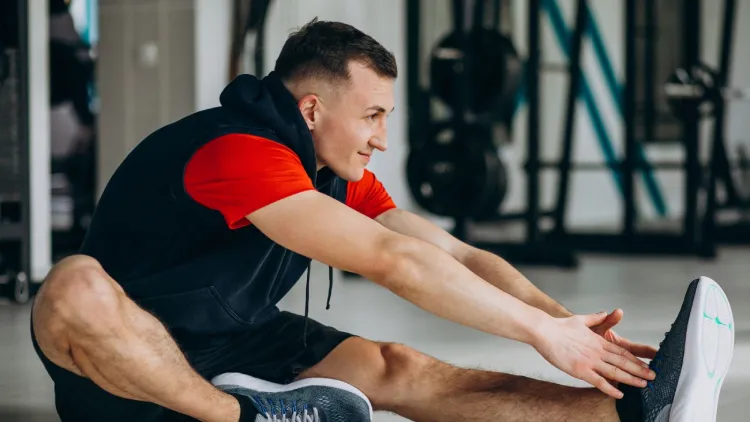
Don’t expect recovery to occur rapidly. There are stages that the body goes through to full recovery.
Stage 1: Inflammatory Phase
This stage starts immediately after the injury has taken place. The blood rushes in, and inflammatory cells invade the affected tissue and eliminate damaged cells.
Stage 2: Repair Phase
The body begins to generate new collagen fibres and starts to repair damaged structures.
Stage 3: Remodeling Phase
Tissue is regenerated and toughened. In this period, controlled exercise becomes all-important.
Stage 4: Functional Recovery Phase
The last phase is restoring strength, flexibility, coordination,n and exercise performance.
These stages, shared by the majority of athletes and physical workers who are injured and return to training too soon, offer some justice for that phenomenon.

Final Thoughts
If you experience a muscle strain, you may need to adjust your fitness plan to lower the volume of the activity you’re doing. Your muscles’ strength and movement will be restored through proper muscle tissue repair and through gradually adding more fitness activity. Some of the major components of a muscle’s healing process involve protecting it and following safe rehabilitation exercises, as well as avoiding overtraining. Proper warm-up, exercise technique, and duration will drastically decrease the likelihood of re-injury while strengthening muscles.
Frequently Asked Questions
1. How long will a Muscle Strain Last?
Prediction of healing time is a function of the severity of the injury. The rate of recovery depends on the severity of the muscle strain, with mild muscle strains recovering in a few weeks and moderate or severe muscle strains taking longer. Good rest, gentle exercises, and prevention of re-injury will contribute to quicker recovery.
2. How does a muscle strain feel?
Pain from a muscle strain typically runs through the muscle, but can feel sharp, pulling, or aching. Additionally, it can also make it difficult to walk the muscle properly, make it stiff and weak, and swell.
3. Does walking help muscle strains get better?
Recovery can also involve gentle walking, as it helps promote blood flow and helps avoid stiffness. Walking, however, is only recommended if it does not exacerbate pain or other symptoms.
4. How to recover after a muscle strain?
Typical treatment includes rest, pain management, limited range of motion, and strength-building exercises. Too early or too hard a return to heavy training or activity will slow progress.