


Latissimus dorsi is one of the most important upper-body muscles that is essential when pulling, as well as the width of the back and upper-body strength. Specific training that includes target exercises, correct position, and treatment of tightness or injury is necessary to get the most out of it. This manual is about bodyweights, dumbbells, barbells, and cable exercises, how to recover, prevent pain, and have correct posture, for beginners all the way to advanced trainees.
- Knowing the Latissimus Dorsi.
- Top Dumbbell Exercises to Latissimus Dorsi.
- Renegade Rows
- Latissimus Dorsi: Best Barbell Exercises.
- The Best Cable exercises in Latissimus Dorsi.
- Advanced Latissimus Dorsi Mulligan exercises.
- Training Variations in Total Lat.
- Typical Lat Exercise Golden rules.
- Latissimus Dorsi Managing Latissimus Dorsi Pain and Injury.
- Posture, Nerves, and Health of Latissimus Dorsi.
- Sleep and Everyday Life Advice.
- Whole Latissimus Dorsi Fitness Routine.
- conclusion
- Frequently Asked Questions
Knowing the Latissimus Dorsi.
Latissimus is a big flat muscle found on the back, commonly referred to as the swimmer muscle, since it plays the pivotal role in pulling motions. It has an origin in the spinous process of the lower thoracic vertebrae, thoracolumbar fascia, iliac crest, and lower ribs, and an insertion into the intertubercular groove of the human humerus. Shoulder extension, abduction,n and internal rotation are its main roles,s and therefore it is essential in the performance of such actions as pull-ups, rows, and swimming strokes.
This muscle is beneficial to a broad, powerful outline that provides good back support, as well as forming good posture and stability. Poor posture, overhead repetitive motion,s or overtraining may result in tightness, strain, or pain in the latissimus dorsi. The symptoms may include dull or sharp pain either in the upper or mid-back, inability to raise the arm, and, in some cases, it may have nerve tingling when nerves around that specific area are interfered with.
Pull-Ups
Latissimus dorsi development is regarded as being best developed by pull-ups. By adducting and extending shoulders, they mainly attack the lats, as well as involve the core and stabilizing upper back muscles. That is why they become an imperative exercise to acquire back width, strength, and pull functional capacity.
Form tips:
Grip as wide as the shoulder, or just a little bigger, as wide as possible to activate the lat as much as possible.
This is not just about lifting with your hands, but also about drawing your elbows close to your ribs.
Even your body – do not swing or jerk up and down – keep the lats strained.
Tipsy: To make the pull-up more difficult, a weighted one can be performed, which will allow the latissimus dorsi to get stronger and more pronounced as time progresses.
Chin-Ups
Although chin-ups put slight stress on the biceps muscles, the lat muscles are the major movers with the appropriate procedures.
Execution cues:
- Pull chest is faced to the bar.
- Keep slightly forward to stretch the lat to the best.
- Pinch the muscles of the back atthe top.
- Inverted Rows
This is a horizontal pulling activity that is good to start with or an addition to the variety.
Why it works:
- Trains the lats by performing bodyweight contractions.
- Improves the connection of the mind, muscles, and posture.
- Difficultycann be controlled by raising the feet or weight.

Top Dumbbell Exercises to Latissimus Dorsi.
One-Arm Dumbbell Row
An exercise anesthetic to the lats, especially the lower ones.
Execution tips:
- Never drag the dumbbell to the chest; drag it to your hip.
- Momentum is to be avoided by maintaining your torso steady.
- Rest and respond to the top of the lat, and squeeze it as much as you can.
Mistake: Tething instead of drawing up with arms instead of drawing up with elbows decreases the activity of the lats.
Dumbbell Pullover
Dumbbell pullovers also extend the lats by tilting the shoulder, as it provides a different angle of attack on the muscles.
Technique cues:
- a little bend up at the elbows to lessen strain on the shoulders.
- evening to a languishing softness descend.
- Great activity. The move would be ideal to do at the end of heavy rows or pull-ups.
Renegade Rows
An integrated rowing and core stabilization.
Why it’s effective:
- Activates the lats and experiences instability.
- Bolsters bthe ack along with anti-rotational muscles.
- Keep a straight back and check the weight so as not to cheat.
Latissimus Dorsi: Best Barbell Exercises.
Bent-Over Barbell Row
A combination motion that develops thickness and strength in the latissimus dorsi.
Key points:
- Shoulder-width grip with a little width widening to maximize the recruitment of the lat.
- Pull the bar in the direction of the lower abdomen.
- Have a straight back, but do not jerk.
Pendlay Row
A type withan explosive version in which the bar is off the ground.
Advantages:
- The disadvantage of the strict form is minimized.
- There is a more direct last action.
- Stimulates complete mobility.
Deadlift (Lat Engagement)
- Lats are a posterior chain movement, although they stabilize the bar and ensure that the upper body is kept straight.
- Tips for late engagement:
- Keep the bar close to the body
- Lift with the first, the lats are involved.
Target shoulders are shrinking to preserve the spine.

The Best Cable exercises in Latissimus Dorsi.
Lat Pulldown
Gives unending tension and suits hypertrophy.
Form tips:
- Medium to wide grip
- To the fullest extent, pull to the upper chest.
Modify the eccentric stage to stretch the lat as much as possible.
Straight-Arm Pulldown
- Isolates the lats using less incorporation of the biceps.
Execution:
- Keep the elbows slightly bent.
- Stretch downwards in a circular motion.
- The best way to attack the lower lat fibres.
Seated Cable Row
Proper execution of seated rows is a good way of exercising the latissimus dorsi.
Lat-focused technique:
- Pull your elbows back and down
- Do not lean or jerk too much.
- Hit the various fibers of the lat with different grips.
Advanced Latissimus Dorsi Mulligan exercises.
Weighted Pull-Ups
Weight-added exercises put the latissimus dorsi to work and hasten the outcome of strength improvement.
Execution:
- Keep strict form
- Not to use partial reps to enhance hypertrophy.
Single-Arm Lat Pulldown
Cures 45 submuscular imbalances and enhances the ind-muscle relationship.
Benefits:
- But reinforces each lat separately.
- Concentrates on limited movement and full movement.
Meadows Row
One of the variations of landmines is more focused on lower latitudes.
Why it works:
- Provides a deep stretch
- Strong contracting at the movement summit.
- Enhances the back strength and thickness.
Training Variations in Total Lat.
As many angles and grips as possible are needed to grow optimally:
Upper lat wide grip pull-ups.
- Pull downs to neutral-grips to reach the lower lats.
- The rows focus on the inside musculature of the lats.
- Rowing of the close of the biceps crunches to prepare the thickness of the middle back.
- Rotation of grips and angles avoids plateaus and provides equal development.
Typical Lat Exercise Golden rules.
Using arms mainly rather than elbows.
- Swinging or employing excessive momentum.
- Partial range of motion
- Ignores regulated eccentric movement.
- Neglecting posture and spinal functioning.
To eliminate the risk of harm, it is better to avoid these errors to achieve the greatest possible latissimus dorsi activation.
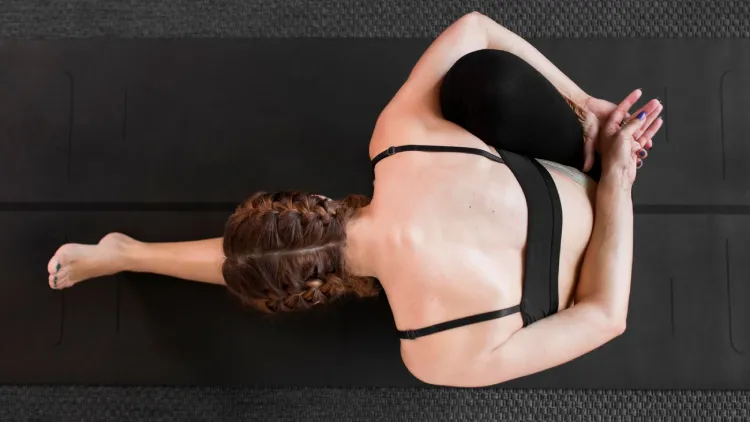
Latissimus Dorsi Managing Latissimus Dorsi Pain and Injury.
The pain in the latissimus dorsi may be dull or sharp in the mid-back, shoulder, or ribs. Ordinary causes consist of excessive use of their hands, bad positions, or suddenly lifting a heavy weight. Damage may be as mild as muscle strain or nerve-related damage, with the most frequent being the thoracodorsal nerve that serves the latissimus dorsi.
Injury and or nerve damage signs:
- Limpness of pulling movements.
- Pain and numbness in the upper limb.
- Problem in raising the arm overhead.
- Constant back pain that does not assuage with rest.
Relief strategies:
- Modification of rest and tctivity.
- Practices to stretch and move back and forth the lats.
- Heat or cold therapy
- Football massage or foam roll out.
Posture, Nerves, and Health of Latissimus Dorsi.
Lat tightness can be increased by poor posture, e.g., rounded shoulders. It is critical to distinguish between their muscular andnerve-relatedd back pain. The pain in the muscles tends to decrease when the muscles are stretched or exercised, and in the nerves, radiating numbness or tingling is likely to occur. In case the symptoms continue, a neurologist or a physician should be consulted.
Red flags for serious issues:
- Arm or hand weakness, sudden onset.
- Incessant numbness or tingling.
- Severe, unrelenting pain
- Problem with loss/incontinence of bladder or bowel.
The preventive use of early detection and intervention prevents the long-term loss of nerve damage and provides safe training.
Sleep and Everyday Life Advice.
Sleep patterns and day routines are very important to the prevention and treatment of latissimus dorsi pain. As the lats are engaged with the majority of upper-body motions, the slightest change in posture, sleeping pattern, and everyday actions would alleviate tension and enhance recovery.
Most comfortable postures to sleep in case of lower back pain:
A side sleeping posture with a pillow between the arms will allow keeping the shoulders and lats relaxed, which reduces tension and spinal and lats twisting.
Lying agony position (supine) with arms loosely at your side, or slightly flexed, creates a neutral position of the lat,s creating little pressure on the muscles and enabling the spinal positioning for sleep.
Avoid overhead strain:
- Avoid prolonged lying or cycling regarding the overheads in case they are sore or injured until the lats are healthy.
- This is reflected in simple things like high shelf grabbing or bulky work that do not support the lat, including heavy lifting.
Stretch daily:
- Light stretching of the latissimus dorsi enables someone to be flexible, minimize stiffness, and have a better overall shoulder movement.
- Stretches before and after exercises, or in between getting things ready at the desk, can help avoid long-term tightness and also help maintain correct posture.
Between the correct postures of sleep, awareness of movements, and frequent stretching, you can contribute to the recovery process, retain the lat mobility, and lessen the chance of injury so that your back can remain strong and pain-free.
Whole Latissimus Dorsi Fitness Routine.
Beginner:
- Lat Pulldown – 3×1
- One-Arm Dumbbell Row – 3×10
- Inverted Rows – 3×8–10
Intermediate:
- Pull-Ups – 4×8
- Bent-Over Barbell Rows – 4×8–10
- Straight-Arm Pulldowns – 3×12–15
Advanced:
- Weighted Pull-Ups – 5×5
- Meadows Rows – 4×8
- Dumbbell Pullovers – 3×15
Protes: Incorporate warming-up sets, emphasize controlled form, and overload maximally to achieve maximum growth.

conclusion
The latissimus dorsi is necessary for giving strength, width, and functional pulling movements in the back. Proper posture, form, and being conscious of tightness, nerve pains, or problems, make sure that exercises can be most productive, and there is no harm. Through bodyweight, dumbbell, barbell, cable training, recovery options, and mobility training, any person can be able to build on and shape their latissimus dorsi.
Frequently Asked Questions
1. Which exercise should be the most effective exercise of latissimus dorsi?
Pull-ups are commonly believed to be the most effective exercise to build the latissimus dorsi at all, as this exercise works the muscle (shoulder adduction and extension) fully. Minor modifications such as weighted pull-ups, lat pulldowns, and one-arm dumbbell rows could also be useful in making the lat width, thickness, and strength in different areas.
2. What will ease latexsimus dorsi pain post-exercise?
The latissimus dorsi causes pain or tightness that is helped by the use of gentle stretching, foam rolling, and rest. Historical treatments such as heat or cold therapy, good posture, and an action that does not cause excessive strain and weakening during recovery may be beneficial in alleviating pain and healing.
3. Am I sure whether my pains in the back are related to the latissimus dorsi or are related to a nerve problem?
Lat pain is usually dull, uncomfortable, or tight and resolves with stretching exercises or/and adjustments to activities in muscles. The components of nerve-related pain can be tingling, numbness, or arm weakness, or pains that run along the back. Hard or continued symptoms should be considered by a medical practitioner.
4. What are the lifestyle habits in favor of healthy latissimus dorsi muscles?
Healthy latissimus dorsi muscles require proper posture, sleeping ina position, stretching, and should not experience long periods of overhead stress. Proper hydration, proper nutrition, and progressive strength training are also part ofoptimumm muscle functioning and recovery.