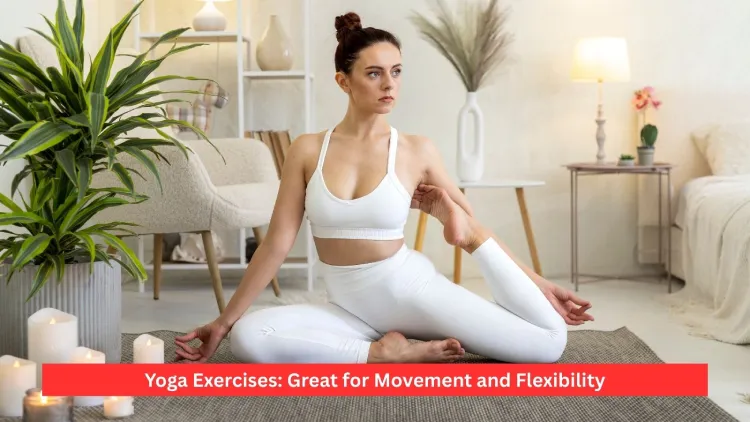

Yoga is a highly organised system of exercises that enhances flexibility, strength, balance, efficient breathing, body postures, and awareness of the body through controlled movements. Yoga may transform the shape of a body and improve the strength of the core, assist the lung volume, alleviate tension in the body and improve mobility in everyday life. This paper dwells solely on yoga as a physical exercise routine, including movement, breathing techniques, advantages, safety precautions, guidance tips to beginners, commonly used erroneous information, and practical expectations, with no philosophical and spiritual consideration.
- What Are Yoga Exercises?
- Warm-Up Yoga Exercises
- Standing Exercises
- Balance-Based Yoga
- Strength-Based Yoga Practices
- Core Yoga Exercises
- Stretching and Flexibility
- Back and Spine Yoga Exercises
- Relaxation Exercises
- Regulated use of Yoga has its advantages
- Frequency of Yoga Practices
- Breathing while in a yoga pose
- Yoga Safety Rules and Guidelines
- Common Mistakes to Avoid
- Yoga vs Gym Training
- Yoga Practice Structure, Principles, and Limits
- Getting into Yoga as a beginner
- Final Thoughts
- Frequently Asked Questions
What Are Yoga Exercises?
Yoga activity entails body movements that are under control, in alignment and synchronised breathing. These types of exercises are about holding, changing positions, or floating through a range of positions that are aimed at working on the muscles, joints, and connective tissues, as well as the nervous system. Compared to high-impact exercises, yoga does not use strength-based exercises, but instead, it uses the resistance and limits of motion of the body and is supported, as opposed to fast or heavy loads.
Yoga as a system of exercise enhances body mobility, not appearance. An ordinary performance enhances muscle endurance, joint lubricity, spinal motion and posture awareness. It also conditions the body to perform movements in an effective manner whilst ensuring that the body does not cause any strain beyond what is needed.
There are also yoga exercises where proper patterns of movement are taught. That is why it is commonly prescribed to individuals who are stiff, unfit, or unable to move. Even 20 minutes a day may be sufficient to observe tangible results in flexibility, breathing control and muscle tone in case of regular practising.
Warm-Up Yoga Exercises
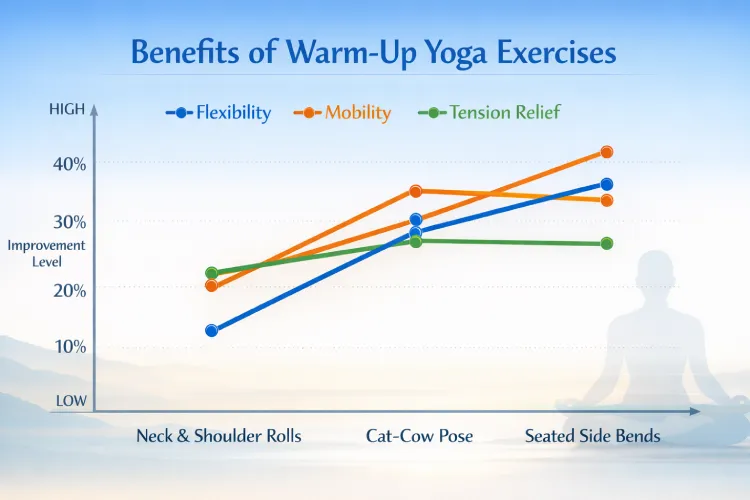
The warming-up stretches the body to more serious movement as it warms up and loosens joints. These exercises make the body less rigid and minimise the chances of getting injured, mainly to first-timers.
1. Neck and Shoulder Rolls
Neck and shoulder rolls enhance the movements around the areas which usually accumulate tension. Ratcheting circular movements will eliminate stiffness, aid in improving their posture and prepare the upper body for weight-bearing exercises.
2. Cat-Cow Movement
It is a flexion rotation spine warm-up combined with extension rotation. It increases mobility of the spine, heats the muscles of the back and improves coordination of movement and breathing. Cat-cow is the most common movement that beginners are introduced to, since it introduces one to breathing awareness naturally.
3. Seated Side Bends
Side-bending exercise makes the body lean, the oblique muscles work, and the rib cages of the ribs are more flexible. This movement is also helpful in enhancing the process of breathing as it enables the lungs to expand fully.
Standing Exercises
Tadrasana teaching constitutes the physical strength of yoga. They engage the bigger muscle groups and enhance balance, posture and endurance.
4. Mountain Pose
Although the posture of mountain might sound easy, it exercises alignment, posture and body awareness. It makes the legs stronger, reinforces the balance, and educates the right use of the core and spine.
5. Forward Bend
Forward bending stretches the hamstrings, the calves and the lower back. It enhances the hip movement and the flexibility of the spine without squashing the spine when done properly.
6. Warrior-Style Movements
Powerful standing exercises are warrior practices that involve strengthening the thighs, hips, glutes, and core. Their effect is also the enhancement of coordination, stability and muscular endurance. These practices show clearly how it can be as effective in building strength as gym practice.
Balance-Based Yoga
The yoga exercises based on balance build stability, coordination and concentration and strengthen smaller muscles which act as stabilisers.
7. Single-Leg Balance
One leg stance will put pressure on the ankles, knees, hips and the core. This practice enhances joint stabilisation and minimises falls or injuries.
8. Extended Balance Reach
This motion is complicated because it involves the arms and the torso together with balancing. It increases the coordination and works the back and buttocks (glutes).
Strength-Based Yoga Practices
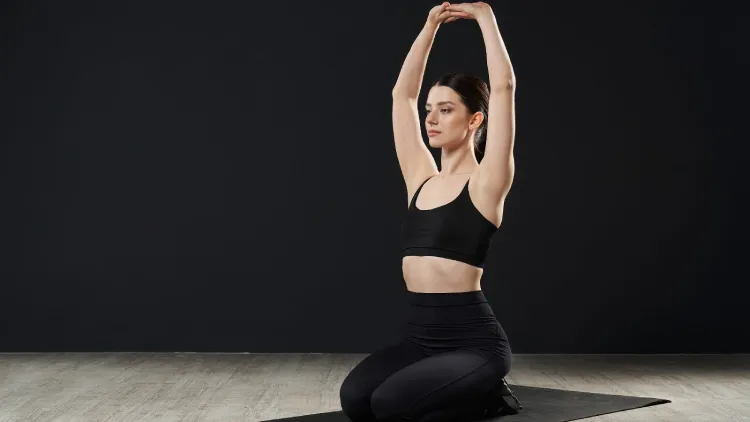
Yoga has also been underestimated as a form of strength training, though a lot of yoga practice involves heavy muscular activities.
9. Plank Hold
Plank works all the parts of the body: the arms, shoulders, core, and legs. It develops functional strength and increases body alignment.
10. Chaturanga-Style Lowering
This limitless movement leads to upper-body power and core mastery. The correct shape is necessary to eliminate shoulder stress.
11. Chair Hold
Strength activities on a chair involve engaging the quadriceps, the glutes, and the hips. The endurance and leg strength developed with this position are that of squats.
Core Yoga Exercises
Yoga practices centred on the core make the spine steady, and help in maintaining the movement effectiveness.
12. Boat Hold
The abdominal muscles and hip flexors are also strengthened by the boat hold. It makes a person more balanced, and the core endurance, so that, in the long run, it helps flatten the bell,y provided sufficient breathing and practice is done.
13. Supine Leg Raises
This is a movement involving the lower abdominal muscles and with less strain on the back. It works with amateurs and high-order practitioners.
Stretching and Flexibility
Yoga practices that are flexibility-based enhance the elasticity of the muscles and range of motion around the joints.
14. Seated Forward Stretch
This is a stretch that improves hamstring length during both spine and lower back relaxation.
15. Hip-Opening Movements
Exercises that involve the hips will release tension that is stored in the hips, a place where stress and emotional tension usually accumulate. An increase in hip mobility improves walking, sitting, and sporting activities.
16. Spinal Twist
Twisting movements enhance the movements of the spine, aid digestion by doing gentle compression, and aid back health.
Back and Spine Yoga Exercises
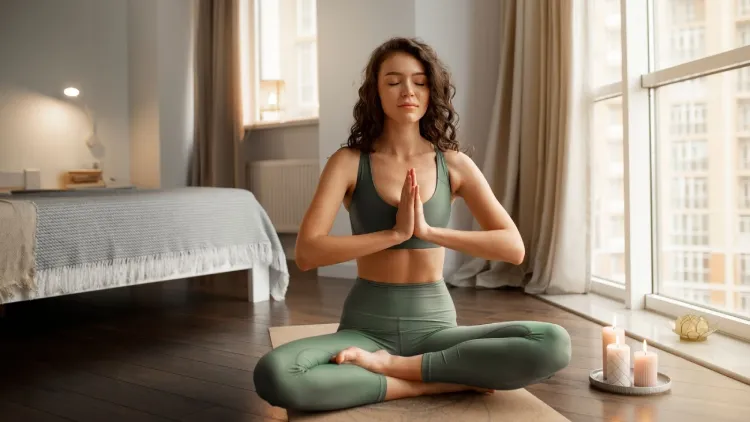
The major focus of the yoga exercise practice is on spinal health.
17. Cobra-Style Back Extension
This practice benefits the lower back, enhances the extension of the spine, and helps to prevent poor postures that arise from sitting in one position.
18. Bridge Hold
Bridge enhances the buttock region, hamstring and lower back and stretches the front of the body. It maintains the spine and is used to improve posture.
Relaxation Exercises
Rest is an important component of exercise.
19. Child’s Rest Position
This non-violent posture stretches the back, hips, and the nervous system. It is also used between sets of hard exercises.
20. Supine Relaxation
When a person is lying down and consciously relaxing the muscles, the body can take advantage of the yoga practice. This workout assists in healing and muscle ventilation.
Regulated use of Yoga has its advantages
Regular yoga training is associated with physical results. There are seven major advantages that are: enhanced flexibility, muscle strength, balance, posture, stronger breathing ability, less muscle tension, and increased body awareness. With time, yoga may alter body composition, enhancing lean muscle and lessening excessive tension.
Controlled breathing methods can be used to build the strength of the lungs with the help of yoga. Deep breathing with a slow rate enhances the amount of oxygen consumed and the strength of the respiratory muscles.
Frequency of Yoga Practices
- Beginners: 2 to 3 sessions a week, lasting between 15 and 30 minutes, will also help you to gain strength, flexibility, and endurance progressively.
- Intermediate/Advanced: 4 -7 sessions/week; it is safe, provided that intensity and variety are paid attention to.
- Short vs long sessions: Sometimes short sessions (20-30 minutes a day) are more effective compared to the long sessions.
- Consistency: 30 days of yoga can help to increase flexibility, posture, breathing, and muscle tone.
- Recovery: Incorporate healing poses and rest to ward off strain and enable sustainable development.
Breathing while in a yoga pose
It is necessary to breathe properly during yoga exercises. Breathing ought to be gradual, soft and coordinated. Inhaling in expansion and exhaling in contraction is one of the widely used breathing patterns.
Another way to use the breathing technique during the rest periods is the 4-7-8 breathing technique, in which you inhale for four seconds, hold for seven seconds and exhale for eight seconds. This technique helps to increase lung capacity and relaxation. Firm lungs are formed in the exercise of yoga, which entails breathing with basic concentration rather than hard breathing.
There are five rules of breathing gold, as they involve breathing in through the nose, it should be steady, holding of breath during movement is avoided, using the diaphragm, and remaining relaxed.
Yoga Safety Rules and Guidelines
- Correct positioning: Muscles become effective, and mobilisation of joints is safe. Lack of alignment leads to the risk of strains or injuries.
- Responsible breathing: Nervousness, learning to breathe in and out with movement enhances muscle efficiency, endurance and stability. Avoid holding your breath.
- Gradual progression: Operating on simple or continuing to a difficult process by gradual intensification or progression. Prop and alteration of exercises.
- Listening to the body: Do not give pain to your body or cause sharp pains. Be proud of your present strength and ability to be flexible.
- Reduce the level of risk: Overstretching or forcing poses may lead to the joint being strained or sore in muscles. Adhering to such rules renders yoga safe and sustainable.
Common Mistakes to Avoid
- Rushing motions: The accelerating motions decrease control, alignment and muscle involvement. Exercises entailed in Yoga should be slow and slow.
- Breath-holding: This decreases endurance and induces tension. The breathing must be held at a constant rate during every movement.
- Forcing flexibility: Straining of joints and muscles with the use of pushing into pain. It is flexibility, and with practice, one gets better at it.
- Omitting warm-ups: It exposes the body to more harm in terms of injuries, particularly in the hips, shoulders and the lower back, as a result of ignoring warm-up exercises.
- Bad posture and positioning: Mispositioning stresses the joints and is counterproductive to exercise.
- Comparison to the other people: Everybody swings. Individual fitness must always be used when doing yoga.
Yoga vs Gym Training
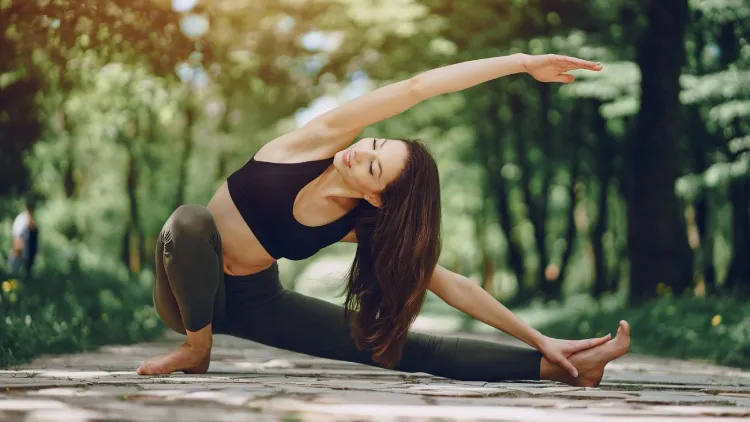
Yoga and gym training concentrate on various priorities of physical fitness. The routines at the gym are primarily based on using outside forces to develop isolated body muscles’ size and strength. Instead, Yoga focuses on practical strength, flexibility, steadiness, and coordination using controlled bodyweight actions.
Yoga transforms the body not by making it bulkier but better toned in terms of muscles and postures and in the quality of movement. It enhances the stabilising muscles and helps to maintain the health of joints, where the daily movement becomes easier and more productive.
Yoga is also available to beginners and unfit persons. Workouts can also be Jaguar fitted to fitness, which enables individuals to begin off safely without preliminary training. Whereas gym training is effective in specific muscle development, yoga develops general fitness in a slow and sustainable way.
Yoga Practice Structure, Principles, and Limits
The practice of yoga adheres to an apparent physical format in promoting effective and safe movement. Sessions tend to start with warm-ups, then move to strength and mobility exercises, and then having position of easy recovery. Such a structure builds the body to work hard and enables the body to rest.
One of the yoga principles is to balance between effort and ease. The movements are supposed to be regulated and work without straining the body. The element of breath and movement plays off with each other to ensure stability, and unwarranted tension is minimised. The advancement in yoga is gradual, with enhanced control, greater holds or greater mobility as opposed to sudden intensity.
Physical limits are also there in yoga, which should not be ignored. The exercises must not be sharp-painful or strain the joints. The human body has natural ranges or degrees of movement, and an extension of these limits may result in injuries. Some promote the storage of physical stress in certain places, such as the hips, shoulders, and other parts of the body, like the lower back. Light yoga practices (regular breathing) release this tension, in due time.
Getting into Yoga as a beginner
There is no need for flexibility or prior fitness to initiate yoga as a beginner. Yoga is a form of exercise that enables one to build strength, balance, and flexibility with time. The most suitable strategy for beginners is to learn slowly and attempt to learn how to move in the right patterns.
Start with brief 10 to 20-minute sessions. Brief and repeated practice will enable the body to adapt without becoming upset by excessive pain and tiredness. Regular spending time on yoga can be better than spending time on yoga work every now and then.
Put more emphasis on rudimentary yoga positions that enhance mobility and stability. Basic standing postures, light stretches, and base exercises enable beginners to learn how to stand straight and engage muscles. Efforts towards high levels may be made too early and may result in strain.
Movement should always be guided by breathing. Novices must use slow and constant breathing by use of the nose and use a constant motion of the breath. Should the breathing be strained, then the exercise should be reduced or decelerated.
Wear loose clothing that is free from exercise and practice on a support surface and non-slip. Most importantly, be content in your advancement. The flexibility will only get better over time with practice, but against oneself, it results in poor performance. Yoga is also a good exercise with safety and awareness of breath by those who are beginners.
Final Thoughts
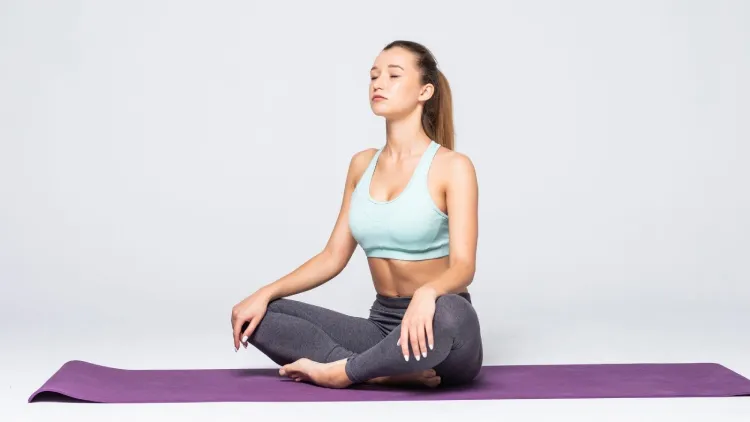
Yoga is a holistic approach to exercise which enhances the strength, flexibility, stability and general body functionality. Although this can be done with short sessions of 20 minutes each day, longer sessions increase endurance and deeper flexibility.
It fits all fitness levels; beginners and advanced professionals because exercises may be altered and intensity can be increased progressively. Regular practice also helps to enhance efficiency in breath, relieve tension in otherwise tight places, and have safe and conscious movement.
All in all, yoga is an efficient and long-term exercise method: it provides the body with efficiency, ease, and ensures its durability by eliminating strain and protecting against physical conditions in most cases, which is why it is a sensible and versatile exercise option.
Frequently Asked Questions
1. Is it possible that beginners can safely begin yoga without being flexible?
Yes! Flexibility is not a prerequisite for yoga. Simple movements, brief sessions, and mindful breathing could be offered as the initial moves for beginners. It is through a job of practice that one attains flexibility and strength.
2. How frequently do you need to practice yoga?
Beginners may begin with 2-3 sessions/week, intermediate or advanced practitioners can have 47 sessions a week. Sessions of 20-30 minutes a day are very good as compared to sporadic workouts that are very long.
3. What are the mistakes that should be remembered when performing yoga exercises?
Dealing with rushing, retaining the breath, imposing flexion, omitting warm-up phases, wrong posture and making comparisons with others are the most frequent errors. The level of individual fitness should be adjusted to yoga.
4. Is yoga a replacement for gym training?
Yoga enhances functional power, equilibrium, and coordination, whereas gym exercises emphasise individual muscle development using external force. Yoga can develop lean muscle and can enhance the quality of the movement, and thus, it is a safe and sustainable alternative or complement to gym training.